

More
Checking your session
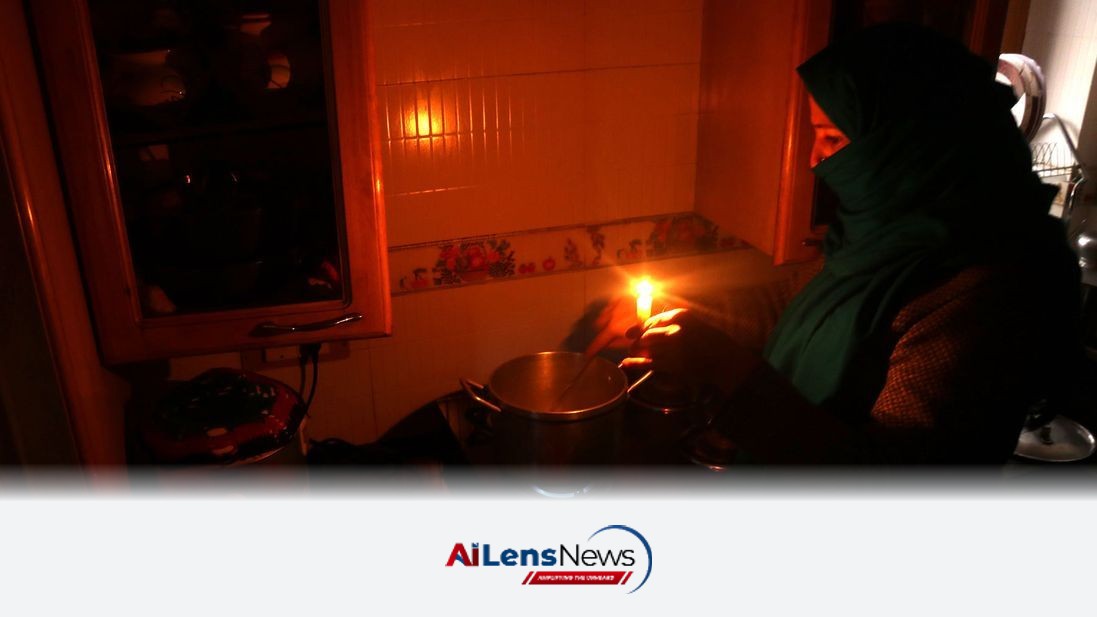



The recent hike in power tariffs in Jammu and Kashmir has sparked widespread debate, highlighting the political and social implications of increased electricity costs.
Srinagar, India Aug 25, 2026 ALN: Power tariffs have increased, reigniting discussions about the ongoing power issues in Jammu and Kashmir (J&K). At first glance, a rise in service charges appears to be a standard practice; as service costs rise, it is expected that consumers will bear the burden. However, this situation is more complex than it seems. The increase in tariffs is not just a financial issue; it reflects deeper societal, political, and infrastructural challenges that the region faces.
Firstly, such hikes often come with significant political repercussions. Governments face intense scrutiny from opposition parties, especially when the impact affects every household. In this instance, political leaders from the opposition are vocally criticizing the government, adopting a populist stance to capitalize on public discontent. The political landscape in J&K has been particularly volatile, with power tariffs serving as a flashpoint for broader grievances. The opposition has been quick to frame the tariff increases as a failure of governance, pointing to the need for more effective management of resources and better public services. This criticism is compounded by the historical context of governance in the region, where the public has often felt disconnected from the political process.
Secondly, raising power tariffs is not akin to increasing the price of a consumer product. Electricity is a fundamental necessity for households today, categorizing it as a basic need rather than a luxury. Therefore, it is the government's responsibility to ensure that electricity remains affordable for all citizens. Although different pricing slabs have been established, the demand for electricity has surged due to modern living standards, making outdated pricing structures inadequate. Many households in J&K rely on electricity not only for lighting but also for heating, cooking, and powering essential appliances. As a result, any increase in tariffs directly impacts the cost of living, particularly for lower and middle-income families who may struggle to absorb these additional expenses.
Thirdly, J&K is rich in water resources, which presents a significant potential for electricity generation. The region is home to numerous rivers and streams that could be harnessed for hydroelectric power, a renewable energy source that is both sustainable and environmentally friendly. This leads residents to question why the region does not receive a more favorable deal from the power generation systems utilizing its water resources. As power tariffs rise, these concerns resurface in public discourse, with many citizens advocating for a fairer distribution of the benefits derived from local resources. The disparity between the region's resource wealth and the high cost of electricity has fueled frustration and led to calls for reforms in how electricity is generated and distributed.
Additionally, the infrastructure supporting electricity distribution in J&K is often criticized for being outdated and inefficient. Frequent power outages and load shedding have become commonplace, exacerbating public dissatisfaction. Many residents feel that the government should prioritize upgrading infrastructure and investing in renewable energy projects to ensure a reliable power supply. The conversation around power tariffs is thus intertwined with larger discussions about energy policy, sustainability, and the need for modernization in the region's energy sector.
Lastly, there is a prevailing sentiment among the populace that the government should act as a provider of essential services like electricity, rather than treating it as a commercial venture. This fundamental question underscores the ongoing debate surrounding power tariffs and their implications for the people of J&K. Many argue that electricity should be viewed as a public good, with the government taking a more active role in regulating prices and ensuring equitable access for all citizens. This perspective challenges the notion of electricity as a commodity subject to market forces, emphasizing the need for a more socially responsible approach to energy management.
The implications of rising power tariffs extend beyond immediate financial concerns; they reflect deeper issues regarding governance, resource management, and social equity. As the debate continues, it is essential for policymakers to engage with the public, address their concerns, and explore sustainable solutions that balance the need for revenue generation with the imperative of providing affordable and reliable electricity to all residents of J&K. The path forward may require innovative approaches, including investments in renewable energy, improvements in infrastructure, and reforms in tariff structures to create a more equitable energy landscape in the region.
To learn more about the latest developments in Politics, stay updated with our exclusive reports and analyses on AILensNews.
During the Tiranga Yatra, LG Manoj Sinha emphasized India's unity and the signif…

On Saturday, Lieutenant Governor Manoj Sinha greeted Defence Minister Rajnath Si…

The Jammu and Kashmir Police have issued a warning to job seekers about potentia…
Syed Mohammad Altaf Bukhari, President of the Apni Party, condemns the governmen…