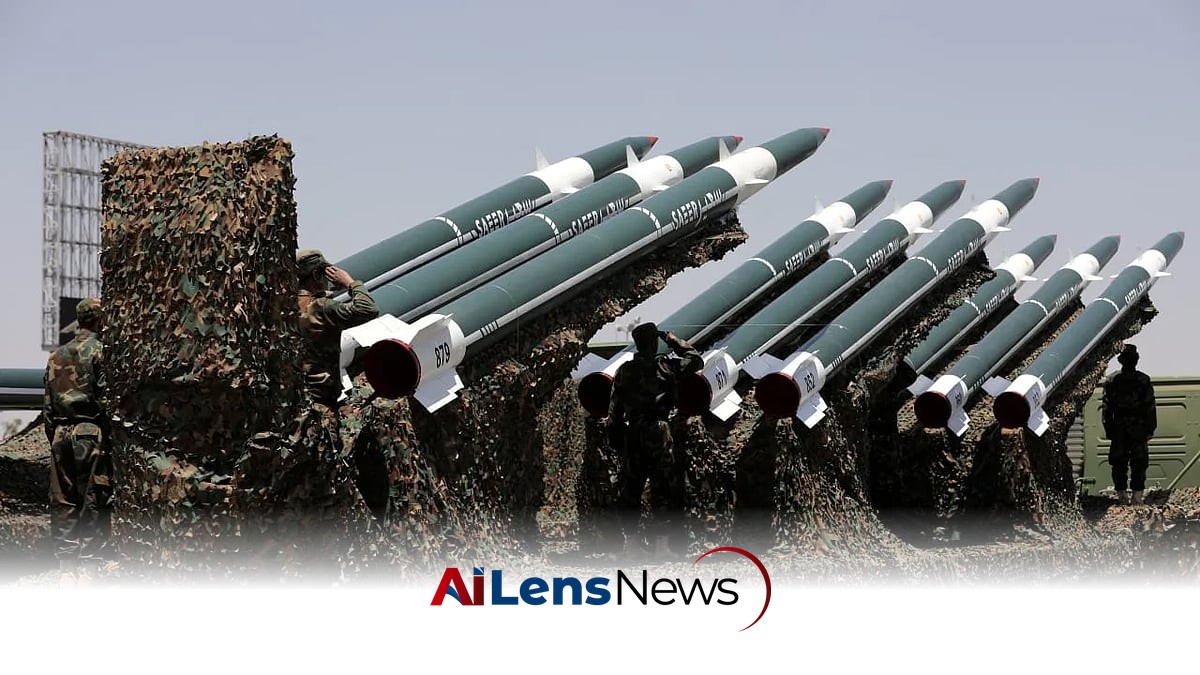


Iran's Islamic Revolutionary Guards Corps has conducted strikes on US command centers and weapon depots in Syria, Kuwait, and Oman, escalating tensions in the region.
New Delhi, India Jul 18, 2026 ALN: Iran’s Islamic Revolutionary Guards Corps (IRGC) announced on Friday that it executed retaliatory strikes targeting a US special operations command center in Syria, along with American weapons depots and launchers in Kuwait, and radar sites in Oman, according to local media reports.
The IRGC stated that these operations commenced during the 11th, 12th, and 13th waves of Operation Nasr-2. The 11th wave was specifically dedicated to honoring the deceased soldiers of Bampur in Iranshahr. During this operation, Iranian forces reportedly conducted a surprise strike on the US special forces command center located in Syria’s al-Tanf region, as reported by Iran’s official Islamic Republic News Agency (IRNA).
In a separate announcement, the IRGC’s Public Relations Department detailed that the initial retaliatory strikes targeted a missile defense surveillance radar, several US weapons depots, two HIMARS launchers, and a number of missiles. These strikes resulted in a significant fire at a base housing US forces in Kuwait.
This escalation comes amid heightened tensions between Iran and the United States, particularly in the context of ongoing conflicts in the region. The IRGC's actions signal a firm stance against perceived threats from US military presence in the Middle East. The situation remains fluid, and further developments are anticipated as both sides respond to the ongoing military engagements.
The IRGC's recent military operations reflect a broader pattern of Iranian military strategy, which often involves asymmetric warfare tactics aimed at countering the influence of the United States and its allies in the region. The al-Tanf area, where the US command center is located, is strategically significant as it serves as a base for US operations aimed at countering ISIS and other militant groups in Syria. This location has been a point of contention between Iranian forces and US troops, with both sides accusing each other of violating sovereignty and exacerbating regional instability.
Iran's military actions are often framed within the context of defending national sovereignty and responding to what it perceives as aggressive postures from the US. The IRGC, a powerful branch of Iran's armed forces, has been involved in various operations across the Middle East, including supporting proxy groups in Iraq, Syria, Lebanon, and Yemen. These activities are part of a broader Iranian strategy to project power and influence in the region, often in opposition to US interests.
The strikes against US forces and assets come at a time when Iran is facing significant economic challenges, largely due to sanctions imposed by the United States and its allies. The Iranian government has sought to bolster national unity and distract from domestic issues by emphasizing its military capabilities and readiness to confront external threats. This narrative is particularly resonant among segments of the Iranian population that view the US as a historical adversary. The IRGC’s actions may also serve to consolidate support for the government amidst economic hardship, framing military engagement as a necessary response to foreign aggression.
The implications of these military actions extend beyond Iran and the US, as they can have ripple effects on regional stability. Countries in the Gulf, particularly those that host US military bases, may find themselves caught in the crossfire of escalating tensions. The US has a significant military presence in the Gulf region, and any increase in hostilities could provoke a broader conflict that might involve multiple state and non-state actors. The strategic alliances in the region, including those between Gulf states and the US, may be tested as they navigate the repercussions of Iranian military actions.
Furthermore, the strikes may influence the dynamics of ongoing negotiations regarding Iran's nuclear program. The US and its allies have been engaged in discussions to curb Iran's nuclear ambitions, which have been a source of international concern. Military actions like those undertaken by the IRGC could complicate diplomatic efforts, as they may lead to a hardening of positions on both sides. The US may respond with increased military readiness or further sanctions, while Iran may double down on its nuclear program as a deterrent against perceived aggression. This tit-for-tat escalation could undermine any existing frameworks for dialogue and negotiation, making it increasingly difficult to reach a peaceful resolution to the nuclear issue.
In addition to military and diplomatic implications, the situation raises questions about the safety and security of civilians in the region. Escalating military engagements can lead to unintended consequences, including civilian casualties and displacement. The humanitarian situation in Syria is already dire, with millions of people affected by years of conflict. Any increase in military operations could exacerbate these challenges and lead to further suffering for the civilian population. The potential for collateral damage in densely populated areas, particularly in Syria, underscores the urgent need for caution in military engagements.
As the situation develops, the international community will be closely monitoring the actions of both Iran and the US. The potential for miscalculation or unintended escalation remains a significant concern, and diplomatic channels may become increasingly important in de-escalating tensions. The complexities of the regional geopolitical landscape necessitate careful consideration of the actions taken by both sides, as well as the broader implications for peace and stability in the Middle East. Diplomatic efforts, possibly involving third-party mediators, may be essential to mitigate risks and foster dialogue.
In conclusion, the IRGC's retaliatory strikes against US forces in Syria mark a significant escalation in the ongoing tensions between Iran and the United States. These actions highlight the intricate web of military, political, and humanitarian issues that characterize the region. As both sides navigate this precarious situation, the potential for further conflict looms large, underscoring the urgent need for diplomatic engagement to address the underlying issues driving these tensions. The international community must remain vigilant and proactive in seeking pathways to peace, as the stakes are high and the consequences of failure could be dire for the entire region.
To learn more about the latest developments in World News & International Affairs, stay updated with our exclusive reports and analyses on AiLensNews.

