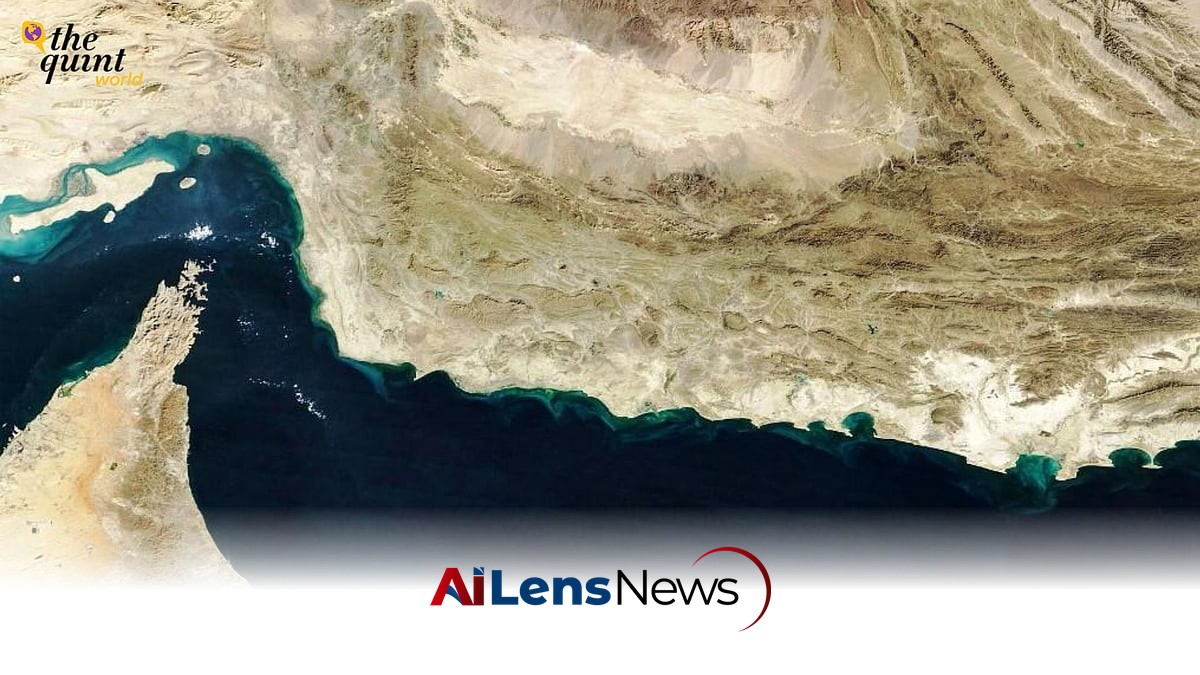


A missile attack on UAE oil tankers in the Strait of Hormuz resulted in one Indian sailor's death and injuries to eight others, escalating regional tensions.
New Delhi, India Jul 14, 2026 ALN: On 14 July 2026, a significant military incident occurred in the Strait of Hormuz, a crucial maritime passage for global oil transportation. Two oil tankers from the United Arab Emirates (UAE), identified as the Mombasa and Al Bahiyah, were struck by Iranian cruise missiles while navigating through the southern shipping lane of the Strait, which falls within Omani territorial waters. This incident has heightened tensions in an already volatile region, drawing international attention and concern.
The missile strike resulted in the death of one Indian crew member aboard the Mombasa, with eight others sustaining injuries. Among the injured were six Indian nationals and two Ukrainian crew members. Reports indicate that four of the injured individuals suffered serious injuries, prompting immediate medical attention and response from emergency teams who managed to control the fires that erupted on both vessels.
The UAE Ministry of Defence condemned the missile attack as a “blatant attack” and emphasized that the country retains the right to respond to this escalation. The ministry confirmed that the tankers were targeted while they were in Omani territorial waters, underscoring the implications of the attack on international maritime law and regional security protocols. The death of the Indian sailor, identified as a crew member of the Mombasa, has raised concerns about the safety of foreign nationals working in the region's shipping industry.
According to reports from various sources, including The Hindu and Financial Express, the missile strike occurred amid heightened tensions between Iran and the United States. This escalation follows the resumption of U.S. military strikes on Iranian targets and the reinstatement of a naval blockade on Iran, actions that have contributed to a precarious security environment in the Gulf region. Oil prices surged following both the announcement of the blockade and the subsequent missile attack, reflecting fears of potential disruptions to global energy supplies.
The UAE Defence Ministry's statements indicated that the country’s armed forces were placed on high alert in response to the attack. The ministry's swift condemnation highlights the seriousness with which the UAE views threats to its maritime security. The Islamic Revolutionary Guard Corps (IRGC) of Iran claimed that the targeted tankers ignored repeated warnings, switched off their navigation systems, and attempted to navigate through a “mined route.” This assertion raises questions about the operational safety protocols followed by commercial vessels in the area.
Moreover, the IRGC accused the United States of encouraging vessels to use an “illegal route,” warning that cooperation with the U.S. could lead to further escalations and delays in reopening the Strait of Hormuz, which is a vital artery for global oil transport. The IRGC’s statements reflect a broader narrative of Iranian resistance to U.S. influence in the region and its commitment to protecting its perceived interests against foreign intervention.
The attack resulted in the death of one Indian crew member aboard the Mombasa tanker and the injury of eight others, including four who sustained serious injuries. The injured comprise six Indian nationals and two Ukrainian nationals.
The missile strike and its aftermath have drawn widespread condemnation from various quarters, with the UAE describing the attack as a grave violation of international law and a serious threat to regional security. The UAE's government has vowed to protect its national interests and maintain the safety of its maritime routes. Iranian state media reported that the Revolutionary Guards had fired warning shots at ships allegedly violating transit rules, yet Iran has not officially commented on the specifics of this particular attack, leaving many questions unanswered.
Material damage was reported on both tankers due to the fires ignited by the missile strikes. Emergency response teams were dispatched to control the situation and assess the extent of the damage. The UAE Ministry of Defence urged the public to rely on official sources for updates, reflecting a need for accurate information in a rapidly evolving situation.
The Ministry of Defence condemned this flagrant attack, describing it as a grave violation and a clear breach of international law that threatens regional security and stability.
The incident is part of a broader context of escalating tensions involving Iran, the United States, and various regional actors. Over the past few years, the Gulf region has witnessed an increase in military actions and retaliatory strikes, contributing to a climate of uncertainty and fear among commercial shipping companies. The Strait of Hormuz, through which approximately 20% of the world's oil passes, remains a focal point for geopolitical conflicts, making incidents like this one particularly alarming for international energy markets.
Official statements from the UAE and other authorities have not disclosed the identities of the Indian victims, adhering to privacy protocols that protect the families of those involved. As of the latest reports, the Indian government had not yet issued a formal statement regarding the incident or the status of the injured crew members, raising concerns about the welfare of its citizens abroad.
The implications of this attack extend beyond immediate casualties and damage. It raises critical questions about the safety of maritime operations in the region, the potential for further military escalation, and the role of international diplomatic efforts to de-escalate tensions. This incident serves as a stark reminder of the fragile security situation in the Gulf and the need for continued vigilance by both national governments and international organizations.
In conclusion, the missile strike on the UAE tankers by Iranian forces represents a significant escalation in the ongoing conflict between Iran and the U.S., with dire consequences for regional stability and international shipping. The situation remains fluid, with global energy markets closely monitoring developments as nations respond to the implications of this attack.
Note: This article is produced using AI-assisted tools and is based on publicly available information. It has been reviewed by the editorial team before publishing.
To learn more about the latest developments in World News & International Affairs, stay updated with our exclusive reports and analyses on AiLensNews.

