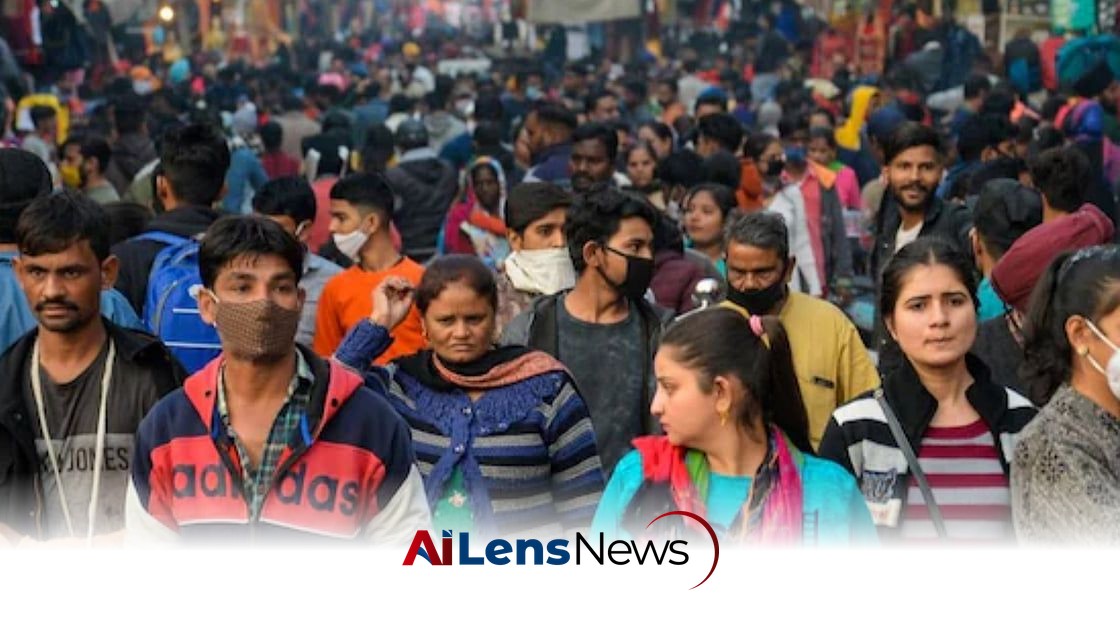


The 2027 Census will be India's first fully digital enumeration, focusing on national planning without affecting welfare schemes, officials confirm.
New Delhi, India Jul 22, 2026 ALN: The 2027 Census will mark a significant milestone in India's demographic data collection, being the first to employ a fully digital approach. This shift to digital methodology is expected to streamline the process and enhance the accuracy of the data collected. A top official, Tamil Nadu Census Director M Sundaresh Babu, emphasized that the data gathered during this census will be utilized strictly for national planning purposes, rather than for determining eligibility for various welfare schemes.
This upcoming census is particularly noteworthy not only for its digital execution but also for the implications it holds for governance and socio-economic planning in India. Traditionally, census data has been a cornerstone for formulating policies and allocating resources across the nation. The digital format aims to improve the efficiency of data collection, minimize human error, and facilitate quicker data processing and analysis.
During a press conference held after a consultative meeting, Babu detailed the preparatory work necessary for this extensive decennial exercise. Approximately 1.6 lakh personnel will be deployed across the state of Tamil Nadu alone, while nationwide, around 30 lakh enumerators will be involved in the process. This level of manpower is indicative of the scale and importance of the census, as it seeks to accurately capture the demographic landscape of the country.
The census will be conducted in two primary phases. The first phase will focus on house listing and housing census, while the second phase will emphasize population enumeration. In Tamil Nadu, the fieldwork for the first phase is scheduled to take place over a 30-day period from August 1 to August 30. This phased approach allows for a systematic collection of data, ensuring that all relevant information regarding housing and population is thoroughly documented.
A key innovation in this census is the introduction of a self-enumeration portal, which enables citizens to register their details online. This self-registration option is expected to enhance participation rates and empower individuals to take control of their data. A 15-day window for this self-registration facility will conclude on July 31, and preliminary reports indicate that around 9,000 households in the Madurai district alone have already utilized this option. This indicates a positive response from the public, reflecting an increasing comfort level with digital solutions in administrative processes.
During the 30-day field exercise in August, enumerators will visit households to record responses to a standardized set of 33 questions that are applicable across the country. Each enumerator is expected to cover approximately 200 to 250 households, which translates to a population of around 800 to 900 individuals. This systematic approach is designed to ensure that the data collected is comprehensive and representative of the entire population.
In addressing public concerns regarding the potential misuse of the data collected, Babu reassured citizens that the information pertaining to household amenities—such as ownership of air conditioners, televisions, or mobile phones—will not be used to disqualify individuals from below poverty line (BPL) status or to deny them access to government benefits. This clarification is crucial, as it aims to alleviate fears that the census could be leveraged against vulnerable populations. Babu reiterated that the collected information is strictly intended for planning and serves as a baseline framework for future policy decisions.
Furthermore, individual data will not be shared on any platform, and it will not be utilized to influence direct benefits, voting rights, or citizenship status. This commitment to data privacy is particularly significant in an era where concerns about surveillance and data misuse are prevalent. The assurance that personal information will remain confidential is likely to encourage greater participation among the populace.
In terms of inclusivity, the census will also account for the houseless population during a special drive that will be conducted in the final days of the second phase in February 2027. This initiative is essential for ensuring that marginalized groups are not overlooked in the demographic assessment. However, individuals who have migrated abroad and are not physically present in India during the census period will not be counted in this exercise, highlighting the focus on capturing the resident population accurately.
Enumerators have been instructed to make multiple attempts to reach households that are locked during their initial visits. They will also gather contact information from neighbors to facilitate scheduling convenient appointments for data collection. This level of diligence is necessary to ensure that the enumeration process is thorough and that no household is inadvertently excluded from the census.
Additionally, to ensure that the enumeration process does not disrupt regular school functioning, participating teachers have been granted full flexibility to schedule their field visits outside of school hours or on holidays. This consideration reflects an understanding of the importance of maintaining educational continuity while also fulfilling civic responsibilities. Local district collectors and charge officers will coordinate with the education department to manage workloads effectively, ensuring a smooth integration of the census activities into the community's routine.
The implications of the 2027 Census extend beyond mere data collection; they will influence various aspects of governance, resource allocation, and social welfare programs. Accurate census data is crucial for determining the distribution of funds to states and localities, as well as for shaping policies that address the needs of different demographic groups. As India continues to evolve and face new challenges, the insights gained from the census will play a vital role in informing decisions that impact millions of lives.
In conclusion, the 2027 Census represents a transformative step for India in its approach to demographic data collection. By adopting a fully digital methodology and prioritizing data privacy, the government aims to enhance the accuracy and reliability of the census while ensuring that the information collected serves a public good. As preparations continue, the success of this initiative will depend on public participation and trust in the process, making clear communication and transparency essential components in the lead-up to this significant national undertaking.
To learn more about the latest developments in Society & Social Issues, stay updated with our exclusive reports and analyses on AiLensNews.

