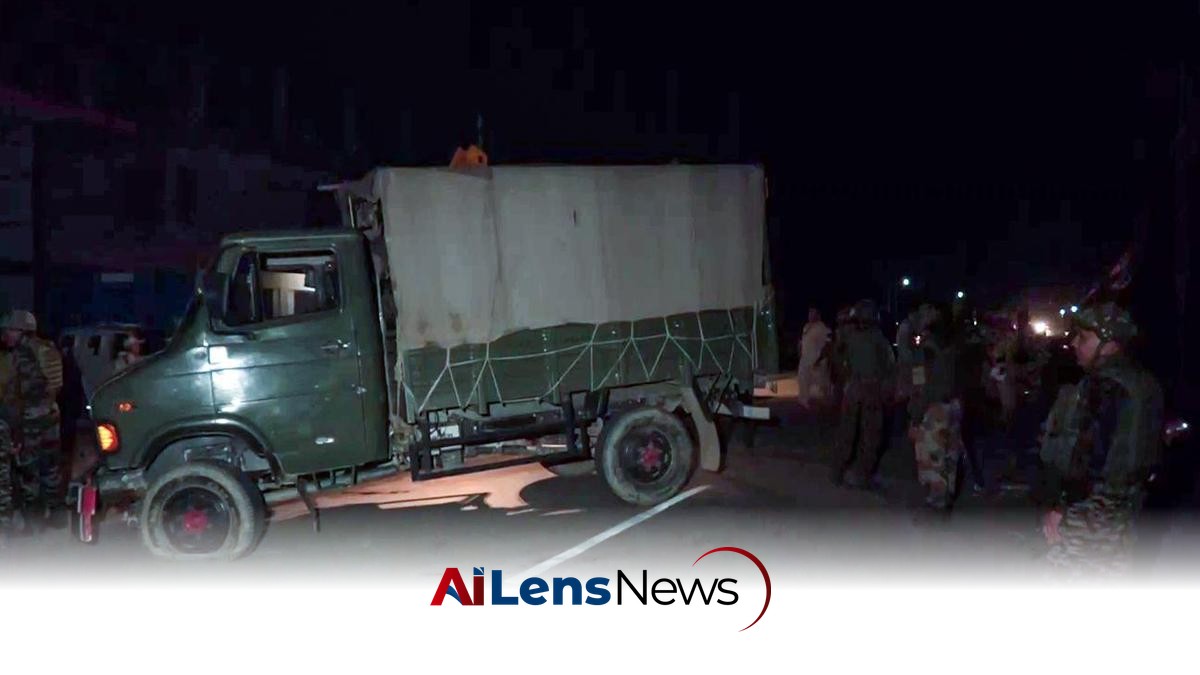


A bomb explosion in Nagaland has resulted in the death of an Assam Rifles jawan and injuries to four others, prompting ongoing investigations.
New Delhi, India Jul 14, 2026 ALN: The tragic incident in Nagaland, where Assam Rifles jawan Havildar Mohd Iqbal lost his life due to a bomb blast, has raised significant concerns about security in the region. The explosion occurred in the Chumoukedima district on a Monday afternoon, claiming the life of Iqbal and injuring four other personnel from the paramilitary force. The condition of one of the injured has been reported as critical, highlighting the severity of the attack.
The blast was caused by a suspected improvised explosive device (IED) and took place near Sukhovi, where the Assam Rifles personnel were returning in a convoy of vehicles to Dimapur, which serves as Nagaland’s commercial hub. The use of IEDs in such attacks underscores the persistent threat that insurgent groups pose in the northeastern states of India, where a complex web of ethnic tensions and militant activities has historically been a challenge for security forces.
A Defence spokesperson based in Kohima, the capital of Nagaland, confirmed the nature of the blast and stated that an operation was underway, although details were sparse. This lack of detailed information is not uncommon in the immediate aftermath of such incidents, as security forces often take time to assess the situation and ensure the area is secure from further attacks. The ongoing operations by security forces are indicative of the heightened alertness and the need for a thorough investigation into the incident, which could provide insights into the broader security landscape in the region.
Chumoukedima’s Deputy Commissioner of Police, Nikho Venuh, also confirmed the incident and stated that a bomb disposal squad was dispatched to the site to ascertain the nature of the blast. This is a standard procedure following such incidents, as authorities seek to ensure that any remaining explosives are neutralized and to gather evidence for further investigation. The involvement of bomb disposal experts emphasizes the potential danger that may still linger in the area, and the need for a systematic approach to ensure the safety of both security personnel and civilians.
In a distressing display of community response, local residents were seen in a social media video evacuating some of the injured individuals in private vehicles, reflecting the immediate need for medical assistance in the wake of the explosion. This act of solidarity among community members highlights the often precarious relationship between local populations and security forces in conflict-affected areas. While such gestures of support are commendable, they also point to the urgent need for effective emergency response mechanisms that can be activated in times of crisis.
Officials have not ruled out the possibility that this incident was a targeted attack on the Assam Rifles, which has been involved in various operations against insurgent groups in the region. Just a week prior to this incident, suspected extremists ambushed an Assam Rifles patrol in the Ukhrul district of Manipur, resulting in the deaths of two personnel. This pattern of violence indicates a troubling trend of escalating attacks against security forces, which could have broader implications for stability in the region. The recurring nature of such attacks raises questions about the effectiveness of current strategies employed by security forces and the need for a reassessment of their operational protocols.
The northeastern states of India, including Nagaland and Manipur, have been hotbeds of insurgency and ethnic conflict for decades. Various groups, often seeking greater autonomy or independence, have engaged in violent confrontations with Indian security forces. The Assam Rifles, a paramilitary force under the Indian Army, has been deployed in these areas to maintain law and order and combat insurgency. However, their presence has also led to tensions with local populations, who may view them with suspicion or hostility. The historical context of these tensions is crucial in understanding the dynamics at play, as many communities have longstanding grievances against the state, often rooted in issues of identity, representation, and economic marginalization.
Nagaland Chief Minister Neiphiu Rio condemned the incident, labeling the bomb blast as a cowardly act that has no place in society. He expressed his condolences to the families affected by the tragedy and assured that those responsible would be identified and brought to justice. His statement reflects a broader sentiment among political leaders in the region who are grappling with the challenges of ensuring security while also promoting peace and reconciliation among various ethnic groups. The political leadership's response is critical, as it sets the tone for how the state will navigate the complexities of insurgency and community relations in the aftermath of such attacks.
The implications of such attacks extend beyond immediate security concerns. They can exacerbate existing tensions between different ethnic communities and the state, leading to a cycle of violence that is difficult to break. The response from local and state authorities, including law enforcement and community leaders, will be crucial in addressing the root causes of such violence and fostering an environment conducive to peace. This requires a multifaceted approach that includes dialogue with community leaders, addressing socio-economic disparities, and ensuring that security measures do not alienate local populations further.
Moreover, the increasing frequency of attacks on security forces may prompt a reevaluation of strategies employed by the Assam Rifles and other security agencies in the region. Enhanced intelligence-gathering, community engagement, and strategic operations may be necessary to mitigate the risks posed by insurgent groups. The challenge lies in balancing these security measures with the need to respect the rights and sentiments of local populations, which can be a delicate task in regions marked by historical grievances. The effectiveness of any new strategies will depend on the willingness of security forces to engage with local communities and build trust, which is often eroded by past experiences of conflict and repression.
As the investigation into the Chumoukedima blast continues, the focus will likely remain on understanding the motivations behind such attacks and how to effectively counter them. The government’s commitment to justice, as articulated by Chief Minister Rio, will be tested in the coming days as authorities work to bring those responsible to account. The outcomes of these investigations can have significant implications for public trust in the state’s ability to maintain security and deliver justice.
This incident serves as a stark reminder of the ongoing challenges faced by security forces in India’s northeastern states and the need for a comprehensive approach that addresses both security concerns and the socio-political dynamics at play. The loss of Havildar Mohd Iqbal is not just a personal tragedy for his family and comrades but also a reflection of the broader struggles faced by communities in the region grappling with violence and instability. His sacrifice underscores the risks that security personnel face daily in their efforts to maintain peace in a region fraught with conflict.
In conclusion, the IED blast in Nagaland is not merely an isolated incident but part of a larger narrative of conflict that has persisted in the northeastern states of India for decades. The responses from both the state and local communities will be crucial in determining the future trajectory of peace and security in the region. As the investigation unfolds, it will be essential to monitor how authorities address the underlying issues that contribute to such violence and what measures are taken to prevent future tragedies. The ongoing dialogue between the government, security forces, and local communities will be vital in fostering a more peaceful coexistence and addressing the root causes of conflict that continue to plague this diverse and complex region.
To learn more about the latest developments in Crime & Law, stay updated with our exclusive reports and analyses on AiLensNews.

