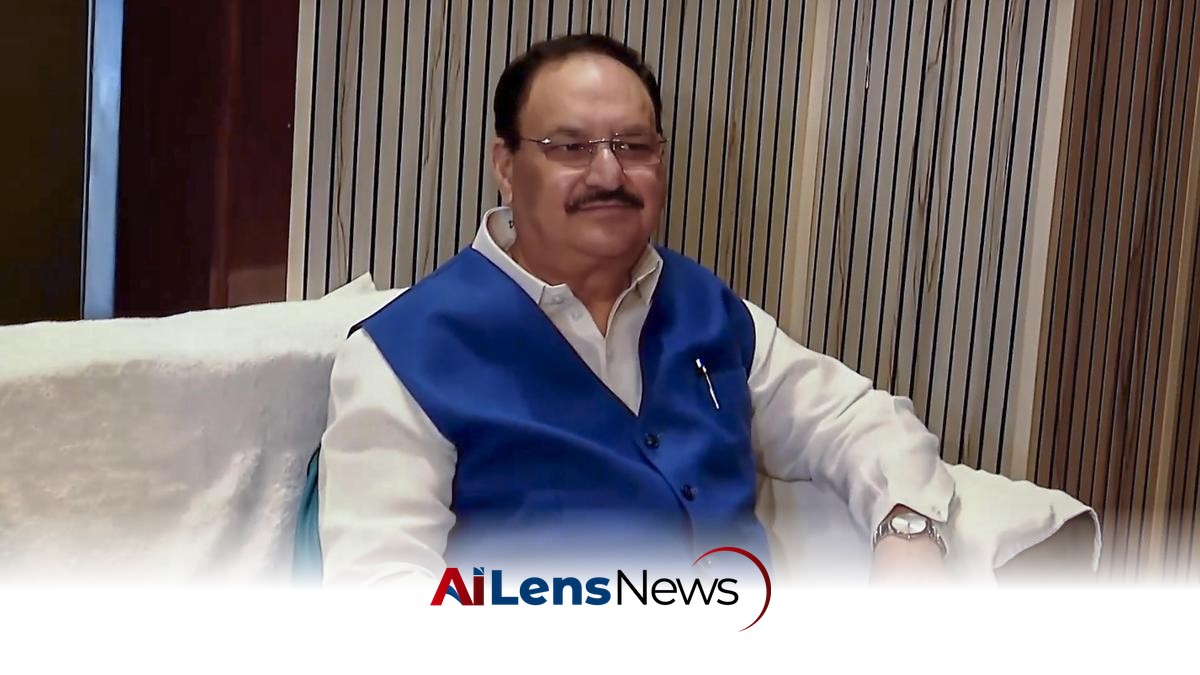


Union Health Minister J.P. Nadda announces reforms for NEET UG counselling 2026, enhancing transparency and accessibility in the admission process.
New Delhi, India Jul 30, 2026 ALN: The Eligibility cum Entrance Test for Undergraduates (NEET-UG) is a pivotal examination in India that serves as the gateway for aspiring medical students to gain admission into various undergraduate medical courses across the country. Conducted annually, NEET-UG plays a crucial role in shaping the future of thousands of medical aspirants. In light of the increasing number of candidates and the complexities associated with the admission process, the Indian government has recognized the need for reforms to streamline and enhance the NEET-UG counselling process. On July 29, 2026, Union Health Minister J.P. Nadda reviewed the preparedness for the NEET UG counselling 2026, announcing significant reforms aimed at improving the overall experience for candidates.
The reforms introduced for the NEET UG counselling 2026 are designed with a focus on technology integration and student-centric approaches. One of the primary objectives of these reforms is to enhance transparency, improve accessibility, and simplify the admission process for candidates. The changes reflect a broader trend towards digital solutions in educational processes, which have become increasingly important in recent years, especially in the wake of the COVID-19 pandemic, which necessitated a shift towards online operations in various sectors.
Among the most notable reforms is the introduction of a one-time physical reporting framework. This initiative aims to alleviate the burden on candidates who previously had to make multiple trips to their allotted institutions for various admission-related formalities. Under the new system, candidates will be able to exercise their willingness online after seat allotment by selecting either the Freeze or Float option. This flexibility allows candidates to make informed decisions about their admissions without the stress of unnecessary travel.
For candidates opting for the Freeze option, they will be required to physically report to their allotted institute within a specified schedule to complete the admission formalities. This includes the verification of original documents and the payment of the admission fee, which are critical steps in the admission process. On the other hand, candidates who choose the Float option will have the opportunity to participate in subsequent rounds for upgradation without the need for physical reporting. They can complete necessary admission formalities, including document verification, online within the stipulated timeline. This reform not only saves time but also reduces logistical challenges for students and their families.
The structure of the counselling process has also been modified to include a third round of counselling, during which candidates will have the chance to upgrade their seats. The upgradation facility will remain available up to the third round of counselling. After this round, candidates who have been allotted seats will be required to report physically to their respective institutions to undergo the verification of original documents, payment of admission fees, and completion of other institutional formalities. This ensures that while the initial stages of the process are more flexible and accommodating, there is still a structured approach to finalizing admissions.
In addition to the physical reporting reforms, the NEET UG counselling 2026 has introduced an online resignation facility. This feature allows candidates who wish to resign from their allotted seat, in accordance with the counselling rules and timelines, to submit their resignation through the MCC Counselling Portal. This eliminates the need for physical visits to the allotted institutes, streamlining the process further. The convenience of online resignation is particularly beneficial for candidates who may have changed their minds about their chosen institutions or who have secured better options elsewhere.
During the review meeting, Minister Nadda emphasized the importance of transparency and operational efficiency in the counselling process. Several measures have been put in place to enhance these aspects, including the use of pre-populated candidate data received from the Testing Agency (NTA), online document verification, and validation of the seat matrix by the Medical Commission (NMC). These steps are designed to ensure that the data used in the counselling process is accurate and reliable, thus minimizing the potential for errors and disputes.
Furthermore, the reforms have placed special emphasis on improving accessibility for Persons with Benchmark Disabilities (PwBD). Ensuring that the admission process is inclusive and accommodating for all candidates is a crucial aspect of the reforms, reflecting a commitment to equity in education.
Another significant change introduced this year is the complete digitisation of the admission process for Non-Resident Indian (NRI) candidates. Previously, the registration for NRI candidates involved the submission of documents through email, which could lead to delays and complications in the verification process. Under the new framework, NRI candidates will now register entirely through the online counselling portal in accordance with the prescribed eligibility criteria. They will be required to upload all necessary documents online, which will then be verified by designated Document Verification Officers. This shift not only enhances transparency but also ensures that the verification process is efficient and time-bound, thereby expediting the admissions for NRI candidates.
The introduction of these reforms marks a significant step forward in the NEET UG counselling process. By leveraging technology and prioritizing student needs, the government aims to create a more efficient, transparent, and user-friendly admission system. These changes are expected to have far-reaching implications for the future of medical education in India, potentially increasing the number of students who successfully navigate the admission process and ultimately enhancing the quality of medical education in the country.
As the NEET UG counselling 2026 approaches, it will be crucial for candidates to stay informed about the new processes and requirements. The reforms are designed not only to simplify the admission journey but also to empower students by providing them with more control over their choices and decisions. The successful implementation of these reforms will depend on effective communication from the authorities and the active engagement of candidates, ensuring that everyone is well-prepared for the upcoming counselling process.
In conclusion, the reforms introduced for the NEET UG counselling 2026 represent a significant evolution in the way medical admissions are conducted in India. By prioritizing technology, transparency, and accessibility, the government is taking important steps towards creating a more equitable and efficient educational landscape for aspiring medical professionals.
To learn more about the latest developments in Crime & Law, stay updated with our exclusive reports and analyses on AiLensNews.

