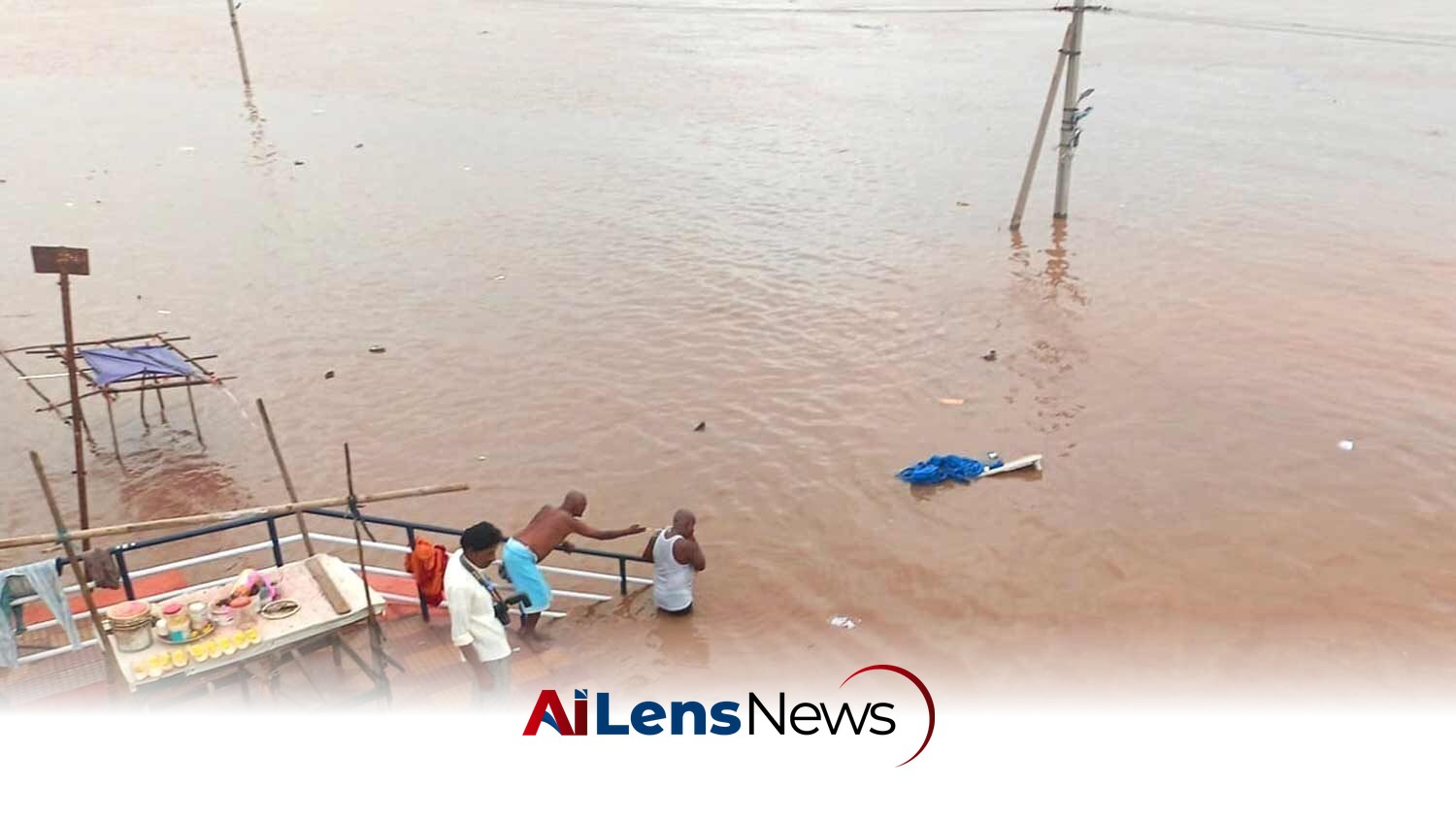


The Godavari River has surpassed the first danger level at Bhadrachalam due to heavy rainfall upstream, prompting flood alerts across Telangana.
New Delhi, India Jul 31, 2026 ALN: The Godavari River, one of the major rivers in India, has crossed the first danger level at Bhadrachalam following significant rainfall in its upstream areas. This situation has led to the issuance of flood alerts as water levels continue to rise across various reservoirs in Telangana, a state that has been grappling with the impacts of heavy monsoon rains. The Godavari River is not only the second longest river in India but also plays a vital role in the socio-economic framework of the region it traverses.
The river originates in the Western Ghats, a mountain range that runs parallel to the western coast of India, and flows through several states including Maharashtra, Telangana, Andhra Pradesh, and Chhattisgarh before merging with the Bay of Bengal. The basin of the Godavari is crucial for agriculture, drinking water supply, and hydropower generation in the region. Given its importance, the river's health and water levels are closely monitored, especially during the monsoon season, when rainfall can lead to rapid increases in water flow. The monsoon season, which typically spans from June to September, is characterized by heavy rainfall that replenishes water bodies but can also lead to severe flooding if the rainfall is excessive.
In Bhadrachalam, a town located on the banks of the Godavari, the water level reached 44 feet on Friday morning, with a staggering 9,74,666 cusecs of water flowing through the river. This surge in water levels has prompted local authorities to issue the first danger warning. The rising waters have already caused the submersion of key areas, including the Kalyanakatta, a traditional tonsuring center, and the bathing Ghats, which are important for local religious practices and cultural rituals. The Kalyanakatta is particularly significant as it is a place where many locals and pilgrims come to perform the ritual of head tonsuring, which is often associated with spiritual beliefs and cultural traditions.
Authorities have expressed concerns that the water level is expected to rise further during the evening hours, which could exacerbate the situation. As a precautionary measure, district authorities have urged residents of the Lanka villages—river island villages that are particularly vulnerable to flooding—to prepare for possible evacuation. Revenue and disaster management officials have been placed on high alert to assist in relocating people from low-lying areas to safer, elevated locations if the need arises. Furthermore, residents have been advised to refrain from approaching the Godavari River to ensure their safety. The proactive measures taken by local authorities are essential in minimizing risks to life and property during such critical situations.
The situation is further complicated by the fact that reservoirs across Telangana have reached full capacity following continuous rainfall over the past three days. This influx of water has created significant pressure on the existing infrastructure designed to manage floodwaters. Key reservoirs such as Sriramsagar, Mid Manair, Singur, Yellampalli, and Jurala are currently experiencing heavy inflow, indicating that the region is at a critical juncture in terms of water management and flood control. The management of these reservoirs is crucial, as they not only help in irrigation and drinking water supply but also play a pivotal role in flood mitigation by controlling the flow of water downstream.
In addition to the Godavari River at Bhadrachalam, the river at Kaleshwaram in the Jayashankar Bhupalpally district has also reached alarming levels. Reports indicate that the river was flowing at 11.290 meters, with expectations that it will soon cross the first danger mark as well. In light of this, officials are preparing to issue the first danger warning for this region, highlighting the widespread nature of the flooding threat across the state. The Kaleshwaram project, one of the largest irrigation projects in the country, is designed to harness the Godavari's water for agriculture and drinking purposes, but during periods of excessive rainfall, it can also contribute to flooding in nearby areas.
The implications of these rising water levels extend beyond immediate safety concerns. Flooding can have devastating effects on local communities, particularly in rural areas where agriculture is the primary source of livelihood. The inundation of farmland can lead to crop loss, impacting food security and the economy. Furthermore, the loss of agricultural productivity can have a cascading effect on local markets and food prices, exacerbating the challenges faced by vulnerable populations. Additionally, infrastructure such as roads, bridges, and public buildings may suffer damage, further complicating recovery efforts. The economic burden of rebuilding and recovery can strain local and state resources, making it imperative for effective disaster management strategies to be in place.
Moreover, the heavy rainfall and resultant flooding can strain local government resources and emergency services. The need for effective disaster management becomes paramount, as authorities must coordinate evacuation efforts, provide shelter for displaced individuals, and ensure the delivery of essential services such as food, clean water, and medical care. The role of local NGOs and community organizations becomes critical in these situations, as they often have established networks and can mobilize resources quickly to assist those in need.
As the situation develops, it is crucial for residents to stay informed about weather forecasts and official advisories. Local news outlets, government announcements, and social media can serve as vital sources of information for those living in flood-prone areas. Community preparedness can significantly mitigate the impacts of flooding, as individuals and families who have plans in place are better equipped to respond to emergencies. Educational initiatives that inform residents about flood risks and preparedness strategies can play a significant role in enhancing community resilience.
In conclusion, the rising water levels of the Godavari River at Bhadrachalam and other locations in Telangana underscore the ongoing challenges posed by monsoon rains in India. The authorities are actively working to manage the situation, but the potential for flooding remains a serious concern. Residents are urged to heed warnings and take necessary precautions to ensure their safety as the region navigates this critical period. The collective efforts of government agencies, local communities, and individuals will be vital in addressing the challenges posed by these natural events and in fostering a culture of preparedness for future incidents.
To learn more about the latest developments in Health & Public Safety, stay updated with our exclusive reports and analyses on AiLensNews.

