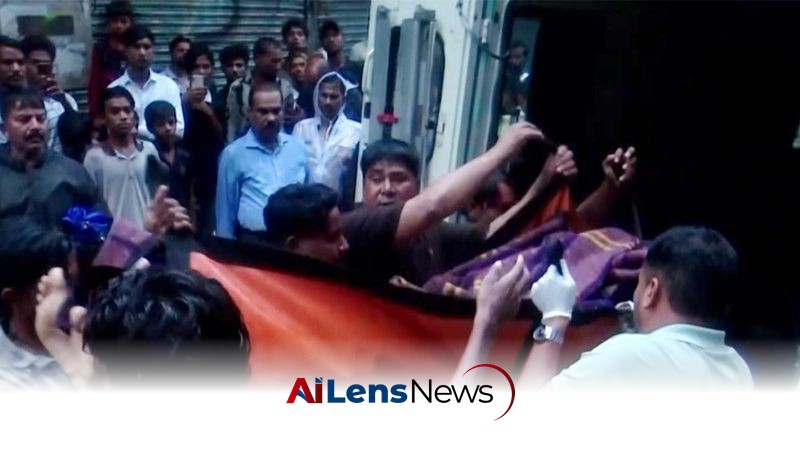


A devastating landslide in Ghatkopar, Mumbai, has resulted in two fatalities and left several individuals trapped under debris, following heavy rainfall in the area.
New Delhi, India Aug 12, 2026 ALN: A tragic landslide occurred early Wednesday morning in the Ghatkopar area of Mumbai, claiming the lives of two individuals and leaving six to eight others feared trapped under the rubble. The incident was triggered by heavy rainfall that has been affecting the region. This unexpected disaster has not only resulted in loss of life but has also raised concerns about the safety and preparedness of urban areas prone to such natural calamities.
Civic officials reported that rescue operations are currently underway, with teams working tirelessly to locate and assist those trapped. Eyewitnesses described the scene as chaotic, with local residents rushing to help in the immediate aftermath of the landslide. The community's swift response speaks volumes about the solidarity and resilience of the local population in times of crisis.
The landslide struck during the early hours, when many residents were still asleep. The suddenness of the event has left the community in shock. Local authorities have cordoned off the area to facilitate rescue efforts and ensure the safety of onlookers. The landslide's exact cause is still under investigation, but it is widely believed that the prolonged rainfall has saturated the soil, making it unstable and prone to collapse.
Ghatkopar, a densely populated area, has seen significant urban development over the years. However, the infrastructure in some parts remains vulnerable to natural disasters. This incident raises critical questions about the adequacy of urban planning and the need for rigorous safety measures to protect residents from the impacts of extreme weather.
Rescue teams, including firefighters and local volunteers, have been deployed to the site. They are using heavy machinery to clear the debris and search for survivors. The operation is complicated by the unstable ground conditions, as more rain is forecasted in the coming days. The presence of heavy machinery at the site underscores the urgency of the situation as rescuers work against time to locate those trapped.
Rescue operations in such scenarios often face numerous challenges, including the risk of further landslides, which can jeopardize the safety of rescue personnel. Emergency responders are trained to navigate these risks, but the unpredictable nature of landslides poses a significant threat. The psychological strain on rescuers, who are often faced with the reality of casualties, is also an important aspect of these operations.
Residents have expressed their grief and concern for those affected. Many have gathered at the site, offering support to the rescue teams and waiting for news of their loved ones. Community leaders are urging the government to provide assistance to the families of the victims and those displaced by the landslide. The emotional toll on the families affected is profound, as they grapple with uncertainty and loss.
In the wake of the disaster, local organizations and community groups are mobilizing to provide aid and support to the victims' families. This includes offering psychological support, food, and temporary shelter for those displaced. The community's response highlights the importance of social cohesion during times of crisis, as residents come together to support one another.
The heavy rains that led to this disaster have been persistent in Mumbai, raising concerns about further landslides and flooding in vulnerable areas. Authorities are advising residents to remain vigilant and report any signs of instability in their surroundings. The Indian Meteorological Department has issued warnings about continued rainfall, which could exacerbate the situation.
These weather conditions are not an isolated incident but part of a broader pattern of climate change that has been affecting various regions across the globe. Urban areas, particularly those with inadequate drainage systems, face increased risks during monsoon seasons. This incident serves as a stark reminder of the urgent need for comprehensive urban planning that takes into account the impacts of climate change.
This tragic event highlights the ongoing challenges posed by extreme weather conditions and the need for improved infrastructure to withstand such natural disasters. As rescue efforts continue, the community hopes for a swift recovery for those trapped and mourning the loss of life. The aftermath of the landslide will likely prompt discussions on emergency preparedness and response strategies, as well as the necessity for investment in resilient infrastructure.
In the long term, this incident may lead to increased scrutiny of building regulations and land use policies in Mumbai. Local authorities may be compelled to reassess zoning laws, particularly in areas prone to landslides. Additionally, the government may need to enhance its disaster response capabilities and invest in public awareness campaigns to educate residents on how to respond in emergencies.
The implications of this disaster extend beyond immediate rescue efforts. It raises questions about the effectiveness of existing urban planning and disaster management systems in a rapidly urbanizing city like Mumbai. The city has faced similar challenges in the past, with heavy monsoon rains leading to flooding and landslides, but each event serves as a critical learning opportunity for improving future resilience.
Furthermore, the socio-economic factors at play cannot be ignored. Many residents in Ghatkopar and similar urban areas live in precarious conditions, often in informal settlements that lack adequate infrastructure. The vulnerability of these communities to natural disasters is compounded by socio-economic disparities, making it imperative for policymakers to address these underlying issues in their disaster preparedness strategies.
As the community grapples with the aftermath of this landslide, the need for a multi-faceted approach to disaster risk reduction becomes increasingly clear. This includes not only immediate response efforts but also long-term strategies aimed at improving infrastructure, enhancing community awareness, and fostering sustainable urban development practices.
Further updates will be provided as the situation develops. The community's resilience and the dedication of rescue teams will be crucial in navigating the aftermath of this tragedy. As the search for survivors continues, the focus will also shift to long-term recovery efforts and ensuring that such incidents are mitigated in the future.
To learn more about the latest developments in Crime & Law, stay updated with our exclusive reports and analyses on AiLensNews.

