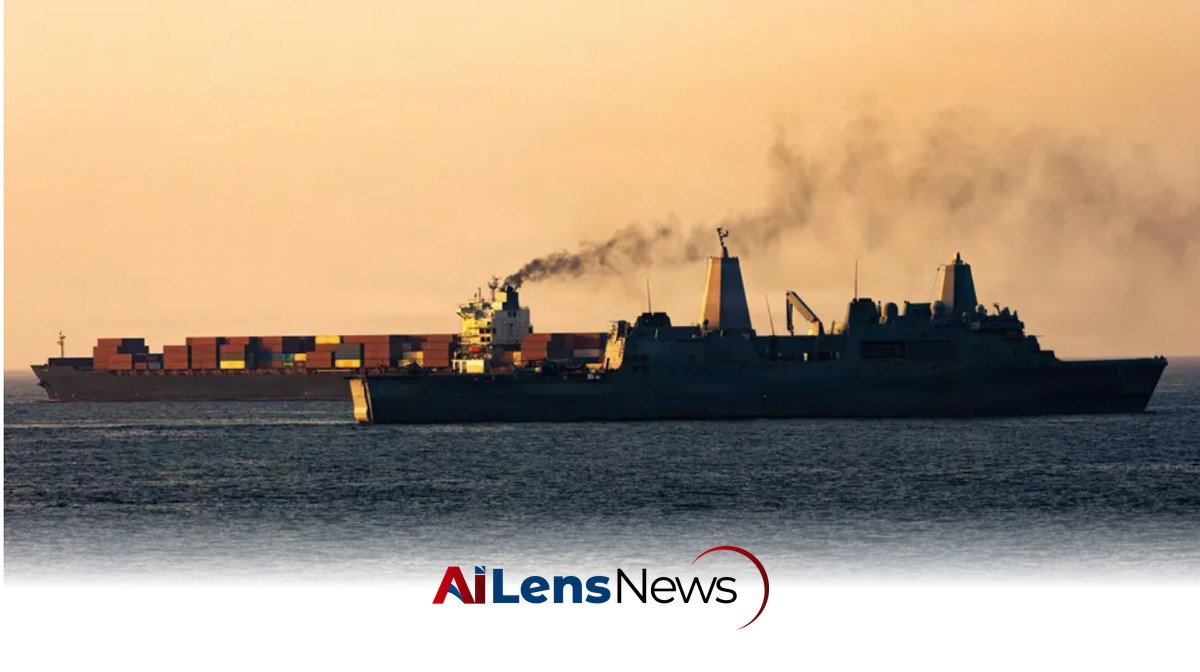


Four Indian crew members tragically lost their lives when the MV GOLDEN LEO was attacked while departing Odesa. One other Indian is critically injured.
New Delhi, India Jul 20, 2026 ALN: Four Indian nationals were killed and another critically injured after the commercial vessel MV GOLDEN LEO came under attack while departing the Ukrainian port of Odesa on Saturday evening, the Ministry of External Affairs (MEA) said.
In a statement, the MEA said, "On the evening of 19 July 2026, the vessel MV GOLDEN LEO was attacked while departing the port of Odesa. At the time of the incident, there were 17 crew members on board, including 5 Indian nationals." This attack highlights the ongoing dangers faced by commercial vessels operating in conflict zones, especially in regions like the Black Sea, which has seen increased military activity due to the ongoing conflict between Ukraine and Russia.
The ministry reported that, "As per information available, four Indian nationals have tragically lost their lives, while one is hospitalized in a critical condition. Our Mission in Ukraine is closely monitoring the situation and is making every effort to extend all possible assistance to those affected." The fatalities underscore the risks faced by seafarers, particularly in areas where geopolitical tensions are high.
The MEA added, "We extend our deepest condolences to the families of the deceased Indian nationals and wish the injured Indian national a speedy and full recovery." The loss of lives in such incidents raises serious concerns about the safety of maritime operations in regions impacted by conflict, and the Indian government is likely to face pressure to ensure the safety of its nationals abroad.
Condemning the attack, the ministry stated, "India condemns such attacks and reiterates that targeting commercial shipping and endangering innocent civilian crew members, or otherwise impeding freedom of navigation and commerce, is deplorable and should be avoided." This statement reflects India's broader stance on maritime security and the need for safe passage for all vessels, which is vital for international trade.
The MV GOLDEN LEO incident is part of a troubling trend of increased violence against commercial shipping in the Black Sea region. Since the escalation of the Ukraine conflict in 2022, the area has seen various incidents involving military actions that have threatened civilian shipping. The Black Sea is a crucial maritime route for the transport of goods, including agricultural products and energy supplies, making it a focal point for international shipping and trade.
In recent years, the rise in tensions between Russia and Ukraine has significantly affected shipping routes and has led to a re-evaluation of maritime security protocols by countries involved in trade through this region. The attack on MV GOLDEN LEO serves as a stark reminder of the risks that seafarers face and the broader implications for global commerce. The incident may prompt further discussions among international maritime organizations and governments on how to enhance protections for commercial vessels operating in high-risk areas.
Moreover, the attack raises questions about the effectiveness of current maritime security measures and the ability of governments to protect their nationals working in such volatile regions. The Indian government may need to reassess its policies regarding the deployment of nationals to conflict zones, especially in light of the risks highlighted by this incident.
In response to the attack, the Indian government is likely to engage in diplomatic discussions with Ukrainian authorities to ensure that investigations are conducted and that safety measures are enhanced for vessels operating in the region. The government may also seek to collaborate with other nations that have commercial interests in the Black Sea to establish a more secure environment for maritime operations.
The implications of this attack extend beyond the immediate tragedy for the families affected. It signals a potential escalation in hostilities that could further destabilize the region and impact global shipping routes. As nations grapple with the consequences of the ongoing conflict, the safety of maritime operations will remain a critical issue for governments, shipping companies, and international organizations.
This incident also highlights the need for stronger international cooperation in ensuring maritime security, particularly in conflict zones. The involvement of multiple nations in maritime operations necessitates a unified approach to address the threats posed by piracy, military conflicts, and other forms of violence that can disrupt trade and endanger lives.
As the investigation into the attack on MV GOLDEN LEO unfolds, it will be essential for the international community to monitor developments closely. The situation may lead to calls for increased naval presence in the Black Sea to deter further attacks and to ensure the safety of commercial shipping. Such measures could be met with varying degrees of support and resistance, reflecting the complex geopolitical dynamics at play in the region.
In conclusion, the attack on the MV GOLDEN LEO is a tragic reminder of the risks faced by seafarers in conflict zones and the broader implications for global trade and maritime security. The Indian government’s response will be crucial in addressing the immediate concerns of the families affected and in shaping future policies to protect its nationals abroad. As the situation evolves, it will be important for all stakeholders to work together to ensure the safety and security of maritime operations in the Black Sea and beyond.
The ongoing conflict in Ukraine has resulted in a significant shift in maritime dynamics, particularly since the Russian invasion in 2022. The Black Sea, once a vital corridor for trade, has transformed into a battleground where military actions have disrupted shipping lanes and created an environment of uncertainty for commercial vessels. The attack on MV GOLDEN LEO is emblematic of the dangers that seafarers now face, as they navigate through waters that are increasingly fraught with peril.
The geopolitical implications of such incidents cannot be overstated. The Black Sea is not only strategically important for the countries bordering it but also for global trade. Any disruption in this region can have ripple effects on the supply chains that rely on the movement of goods through these waters. The agricultural exports from Ukraine, which are crucial for food security in many parts of the world, are particularly at risk, making the security of maritime routes a pressing concern for the international community.
In light of these developments, maritime security has become a priority for many nations. Countries with vested interests in the Black Sea are likely to reevaluate their naval strategies and enhance their presence in the region to protect their commercial interests. This could lead to an arms race of sorts, as nations seek to bolster their military capabilities in response to perceived threats.
Furthermore, the attack on MV GOLDEN LEO raises questions about the protocols in place for the protection of commercial vessels in conflict zones. International maritime law provides guidelines for the safety of shipping, but the enforcement of these laws can be challenging in areas of active conflict. The need for a coordinated international response to ensure the safety of merchant shipping is more pressing than ever.
As the investigation into the attack progresses, it will be crucial for the Indian government to engage with international partners to advocate for stronger protections for commercial vessels. This could involve diplomatic efforts to establish safe passage agreements or to enhance the presence of international naval forces in the Black Sea to deter future attacks.
In conclusion, the tragic loss of four Indian nationals in the attack on MV GOLDEN LEO serves as a grim reminder of the risks inherent in maritime operations in conflict zones. It underscores the urgent need for enhanced maritime security measures and international cooperation to safeguard the lives of seafarers and the integrity of global trade. The Indian government's response will be pivotal in shaping future maritime policies and ensuring the protection of its citizens abroad, as the situation in the Black Sea continues to evolve.
To learn more about the latest developments in Crime & Law, stay updated with our exclusive reports and analyses on AiLensNews.

