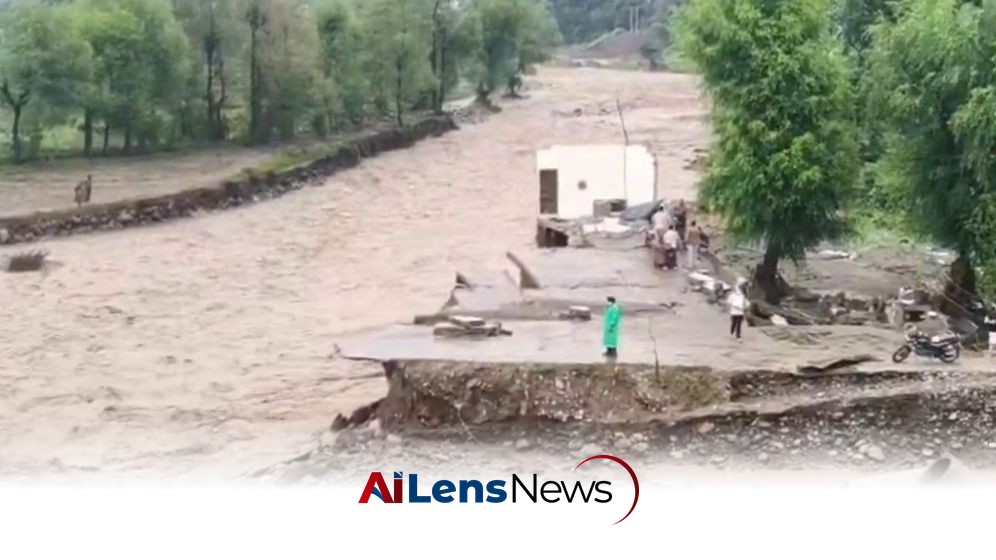


Torrential rains in Jammu and Kashmir's Poonch and Rajouri districts have led to flash floods and landslides, resulting in eight fatalities and six missing persons. Rescue operations are ongoing.
New Delhi, India Jul 19, 2026 ALN: At least eight people were killed and six others went missing as torrential rains triggered landslides and flash floods in the twin border districts of Poonch and Rajouri in Jammu and Kashmir on Sunday, prompting a multi-agency rescue operation. The situation has raised serious concerns about the impact of extreme weather events on the region, which has a long history of vulnerability to natural disasters.
The worst devastation was reported from Surankote tehsil in Poonch district, where most of the fatalities occurred. This area is known for its rugged terrain and has faced similar challenges in the past, particularly during the monsoon season when heavy rains often lead to landslides and flooding. Rescue teams raced against time to trace the missing amid continuing rain and damaged roads, the officials said. The ongoing monsoon season, which usually lasts from June to September, has been particularly intense this year, raising alarms about climate change and its effects on local weather patterns.
Chief Minister Omar Abdullah, who was in Delhi for a proposed statehood protest, announced that he would cut short his stay in the national capital and return to Jammu in the afternoon due to the worsening situation across parts of the division following heavy rains. His decision underscores the gravity of the emergency and the need for immediate leadership on the ground to coordinate rescue and relief efforts.
Lieutenant Governor Manoj Sinha reviewed the situation in the rain and flash flood-hit districts and directed officials to ensure immediate relief and assistance to the affected families. This kind of rapid response is crucial in mitigating the effects of such disasters, as timely interventions can save lives and reduce suffering among the affected populations.
A landslide triggered by torrential rains struck a house in Lower Murrah village of Surankote during the early hours of Sunday, burying all eight occupants under the debris, the officials said. The tragedy highlights the risks associated with living in areas prone to landslides, particularly during the monsoon season. They said rescue teams recovered the bodies of Bano Bi (60) and two-year-old Sofian Yasar, while a search operation was continuing to trace the remaining six missing persons, including a woman and four children. This loss of life is a stark reminder of the human cost associated with natural disasters, particularly in vulnerable communities.
In addition to the landslide fatalities, a 28-year-old woman, Nazia Kousar, was killed when her house collapsed in Noonabandi village. Her husband, Mohd Hafiz, and three children, aged between two and six years, were rescued with injuries and shifted to a hospital, officials said. The incident illustrates the dangers posed by poorly constructed houses in areas susceptible to flooding and landslides, raising questions about building regulations and disaster preparedness in the region.
Shahzaib Ahmad (22) lost his life when his house collapsed at Sanglani-Surankote, while a minor girl identified as Iram drowned in a stream at Marhote. An unidentified body of a woman was also fished out from a stream near Dhundak Lathoong bridge, officials said. The circumstances of these deaths point to the urgent need for community awareness and preparedness programs to educate residents about the risks associated with heavy rainfall and flooding.
One person was killed and another critically injured following the collapse of nearly half-a-dozen houses in Haveli tehsil of Poonch district, the officials said. They said the body of a woman was also fished out from a river in Rajouri town which was hit by flash floods following incessant overnight rainfall, forcing hundreds of residents to move to safer locations as floodwaters inundated low-lying areas. The displacement of families due to flooding is a common occurrence during the monsoon season, and it often leads to long-term challenges, including loss of livelihoods and disruption of education for children.
Dozens of vehicles were swept away or submerged after overflowing rivers breached their banks, causing widespread disruption, the officials said. The transportation infrastructure in these regions is often vulnerable to extreme weather, and the loss of vehicles can have significant economic implications for families who rely on them for their livelihoods. They said rescue and relief teams, assisted by the local administration, were engaged in evacuating affected families and assessing the damage, while local Congress MLA Iftkhar Ahmad indicated that there was heavy damage to public and private property in the flash floods.
As a weather advisory warned of moderate to heavy rainfall across Jammu and Kashmir until July 23, the border districts of Rajouri and Poonch experienced relentless rain from Saturday evening, leading to overflowing rivers and streams after a night of heavy downpour. The persistent rainfall raises concerns about the potential for further landslides and flooding, emphasizing the importance of ongoing monitoring and preparedness efforts.
Rajouri MLA Ahmed, who was scheduled to participate in his party's protest in support of the restoration of statehood outside Lok Bhavan in Jammu on Sunday, returned to his hometown to assess the flood situation. "I have abandoned my party programme to stand with my people, as the flash floods have caused extensive damage to public and private property," Ahmad said. His decision to prioritize the needs of his constituents reflects the challenges faced by local leaders during times of crisis, as they must balance political responsibilities with the urgent needs of their communities.
In a post on X, the chief minister stated that he is returning from Delhi and would personally monitor the situation on the ground. "In light of the weather warning put out by the meteorological department and the seriousness of the situation unfolding across parts of Jammu division, I will leave Delhi to fly to Jammu this afternoon to personally monitor the situation on the ground," the chief minister said. This proactive approach from the state leadership is crucial in ensuring that the affected areas receive the necessary support and resources to recover from the disaster.
Abdullah also stated that the National Conference's planned statehood protest in Delhi on July 20 will continue as scheduled under the leadership of National Conference president Farooq Abdullah. This demonstrates the ongoing political dynamics in Jammu and Kashmir, where issues of statehood and governance remain contentious even as the region grapples with the immediate aftermath of natural disasters. The intersection of political action and disaster response highlights the complexities of governance in a region that faces both natural and political challenges.
To learn more about the latest developments in Local & Regional, stay updated with our exclusive reports and analyses on AiLensNews.

