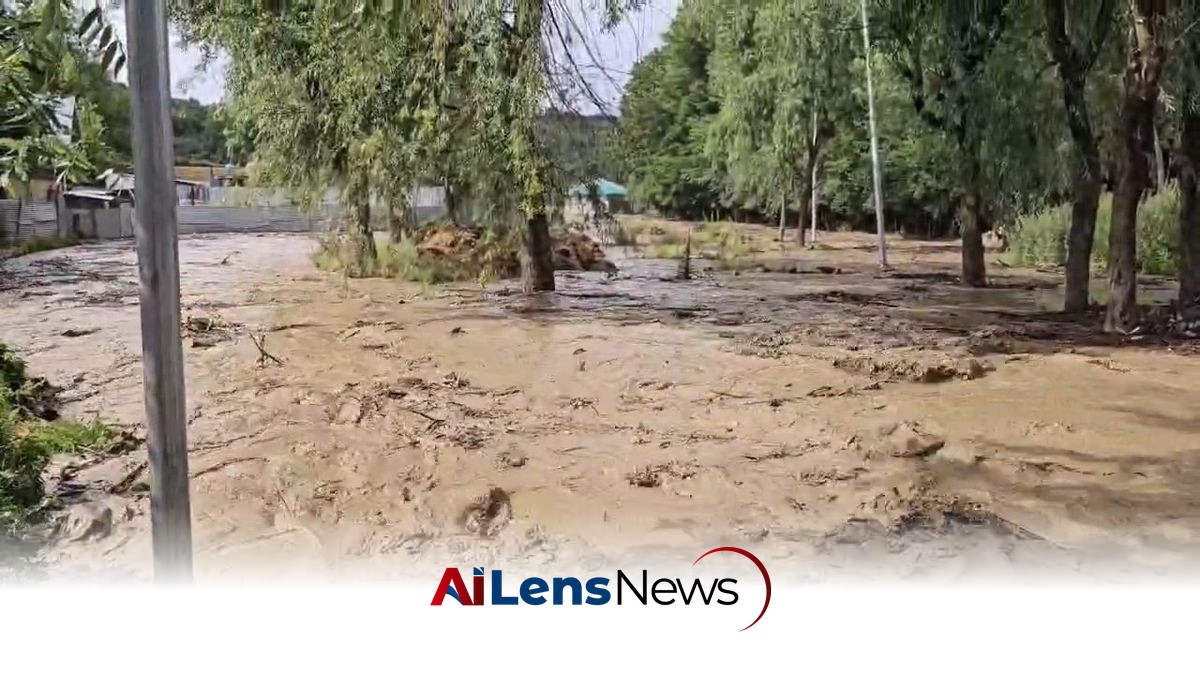


Heavy rainfall in Ganderbal's Safapora area has caused flash floods, inundating homes and agricultural land, prompting local concerns over illegal soil extraction.
New Delhi, India Jul 21, 2026 ALN: Heavy rainfall on Monday triggered flash floods in the Safapora area of Ganderbal district, inundating residential areas and agricultural fields while causing panic among residents. The sudden onset of these floods highlights the vulnerabilities that many communities in the region face, particularly in the context of changing weather patterns and increasing instances of extreme weather events.
Locals reported that an intense spell of rain, coupled with a suspected cloudburst in the upper reaches, led to a sudden rise in the water level of local streams and drainage channels, resulting in flood-like conditions. This phenomenon—where a significant amount of rain falls in a short period—can overwhelm existing drainage systems, especially in areas that are not equipped to handle such sudden influxes of water. Such flash floods can occur with little warning, often catching residents off guard and leading to significant damage to property and agriculture.
The overflowing water inundated low-lying areas and damaged local roads, disrupting normal life. In many communities, infrastructure such as roads and bridges is often the first casualty during such extreme weather events, making it difficult for emergency services to reach affected areas and for residents to evacuate if necessary. The impact of these floods is not merely immediate; the long-term effects can hinder economic activities and disrupt the social fabric of the community.
Local civil society member Muhammad Sidiq expressed concern over the impact of the floods, stating that they entered several houses and damaged large tracts of agricultural land along with standing crops. Agriculture is a vital part of the local economy in Ganderbal, and damage to crops not only affects the immediate livelihoods of farmers but can also have longer-term implications for food security in the region. The loss of crops can lead to increased prices for food products, affecting not only farmers but also consumers in the area.
Sidiq alleged that illegal soil extraction in the area had aggravated the flooding by disrupting the natural drainage channels. This practice, which is often driven by demand for construction materials, can lead to significant environmental degradation. By altering the landscape and the natural flow of water, such activities can increase the risk of flooding during heavy rainfall events. He called for an immediate ban on the practice, emphasizing the need for sustainable land management practices that protect the environment and the community. This situation underscores the critical balance that must be maintained between development needs and environmental stewardship.
The incident comes amid an active monsoon spell across Jammu and Kashmir, a period that typically sees increased rainfall in the region. Ganderbal recorded more than 46 mm of rainfall during the 24 hours ending Monday morning, while several neighboring areas also witnessed heavy precipitation. The monsoon season is crucial for replenishing water supplies and supporting agriculture, but it also poses risks, particularly in areas prone to flooding. The dual nature of the monsoon—providing essential water while also bringing the threat of floods—highlights the need for effective management strategies to mitigate these risks.
The Meteorological Department (MeT) has forecast widespread rain and thundershowers across Kashmir until July 23. This extended forecast raises concerns about the potential for further flooding, especially in areas already impacted by the recent rains. The MeT has advised residents, particularly those living near nallahs, hill slopes, and flood-prone areas, to remain vigilant and follow official advisories. This is a crucial step in disaster preparedness, as timely information can help mitigate the impacts of flooding. The importance of accurate weather forecasting cannot be overstated, as it plays a vital role in helping communities prepare for and respond to severe weather events.
The district administration has responded by keeping emergency teams on alert, and control rooms are monitoring water levels in rivers and tributaries across central Kashmir. This proactive approach is essential in managing the risks associated with flooding, allowing authorities to respond quickly to changing conditions and provide assistance to affected residents. The establishment of control rooms and the readiness of emergency teams reflect a commitment to disaster management and community safety.
Flash floods are not uncommon in the region, particularly during the monsoon season. However, the frequency and intensity of such events have been increasing, raising questions about the impacts of climate change on local weather patterns. As global temperatures rise, many regions are experiencing more extreme weather, including heavier rainfall and more intense storms. This trend is concerning for communities that are already vulnerable to natural disasters. The interplay between climate change and local environmental practices, such as deforestation and urbanization, exacerbates the risks faced by these communities.
In the context of Ganderbal, the combination of heavy rainfall, illegal soil extraction, and inadequate drainage infrastructure creates a perfect storm for flooding. The local government and civil society must work together to address these issues, implementing measures that not only respond to immediate crises but also build resilience against future flooding events. This could include investing in better drainage systems, enforcing regulations against illegal land use, and promoting sustainable agricultural practices that can withstand extreme weather. Collaboration between government agencies, NGOs, and community members is essential for developing comprehensive strategies to address these multifaceted challenges.
Furthermore, community education and preparedness are vital components of disaster management. Residents should be informed about the risks they face and the steps they can take to protect themselves and their property. This includes understanding warning signs of flash floods, having an emergency plan in place, and knowing how to access resources and support during a crisis. Educational initiatives can empower communities to take proactive measures, thereby enhancing their resilience to natural disasters.
As Ganderbal and other parts of Jammu and Kashmir continue to grapple with the impacts of heavy rainfall and flooding, the importance of coordinated responses and long-term planning becomes increasingly clear. By addressing the underlying causes of vulnerability and enhancing community preparedness, it may be possible to reduce the risks associated with future flooding events, ultimately safeguarding lives and livelihoods in the region. The lessons learned from such incidents can inform future policies and practices, ensuring that communities are better equipped to handle the challenges posed by climate change and extreme weather.
To learn more about the latest developments in Crime & Law, stay updated with our exclusive reports and analyses on AiLensNews.

