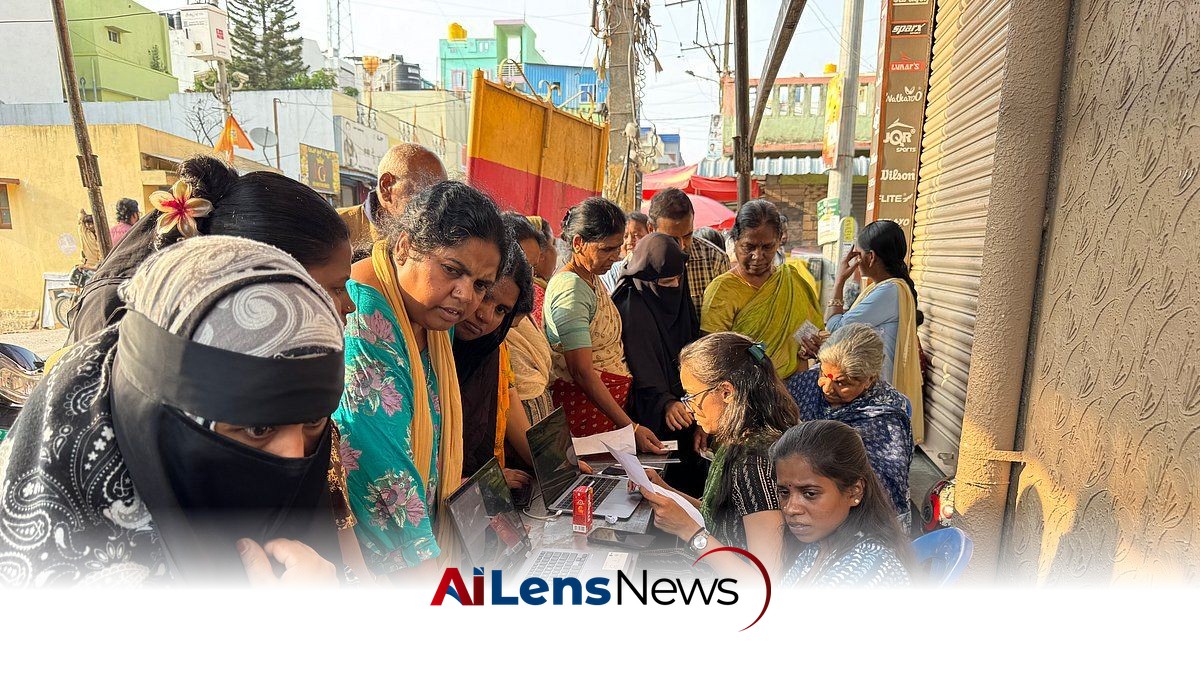


The Election Commission of India has revised the Special Intensive Revision schedule, extending deadlines for door-to-door enumeration in Telangana and Karnataka.
New Delhi, India Jul 15, 2026 ALN: The Election Commission of India (ECI) has announced a significant revision to the Special Intensive Revision (SIR) schedule for the states of Telangana, Karnataka, Delhi, and Punjab. This decision, made public on July 15, 2026, reflects the ECI's response to challenges faced by booth level officers (BLOs) in completing the door-to-door enumeration process within the previously established timelines. The extension of deadlines is aimed at ensuring a more comprehensive and accurate electoral roll, which is essential for the democratic process in India.
The Special Intensive Revision is a crucial exercise undertaken by the Election Commission to update and maintain the accuracy of the electoral rolls. This process involves the enumeration of eligible voters, ensuring that all citizens who are eligible to vote are registered and that the electoral rolls reflect the current demographics of the population. The SIR process is particularly important in a diverse and populous country like India, where demographic shifts can occur rapidly due to various factors such as migration, urbanization, and changes in the age structure of the population.
The ECI's announcement of the SIR's initiation on May 14, 2026, marked the beginning of an extensive effort to revise electoral rolls across 19 states, including Telangana, Karnataka, Delhi, Punjab, Haryana, and Andhra Pradesh. The decision to extend the deadlines in these states indicates the ECI's commitment to ensuring that the electoral process is not only fair but also inclusive, allowing for adequate time for all eligible voters to register.
In Telangana, the ECI has extended the deadline for door-to-door enumeration from July 24 to August 3, 2026. This extension is particularly significant given the logistical challenges faced by BLOs in reaching every eligible voter. The revised schedule also includes the draft publication of electoral rolls, which has been pushed back to August 10. The period for filing claims and objections has been set from August 10 to September 9, allowing voters to contest any discrepancies in the rolls.
Furthermore, the notice phase and the disposal of claims and objections will now occur between August 10 and October 10, with the final publication of electoral rolls scheduled for October 12. This timeline is critical as it provides voters ample opportunity to ensure their details are correctly reflected and to challenge any inaccuracies before the final rolls are published.
Similarly, in Karnataka, the door-to-door enumeration deadline has been extended from July 29 to August 8. Reports from BLOs, particularly in urban areas like Bengaluru, indicate that the initial timeline was insufficient due to the challenges posed by finding addresses in densely populated areas. The revised schedule allows for a more thorough enumeration process, which is essential for accurate voter representation.
The publication of the draft electoral rolls in Karnataka will now occur on August 17, instead of the previously scheduled date of August 5. Voters will have the opportunity to file claims and objections from August 17 to September 16, a significant extension from the earlier window of August 5 to September 4. This change is intended to facilitate greater public participation in the electoral process, ensuring that all voices are heard and represented.
Additionally, the ECI will now handle notices and the disposal of claims between August 17 and October 15, as opposed to the earlier timeline of August 5 to October 3. The final electoral rolls in Karnataka will be published on October 19, a shift from the previous date of October 7. This extended timeline is crucial for allowing voters to verify their registration details and ensuring that the electoral rolls are as accurate as possible before the elections.
The extension of deadlines for the SIR in these states has several implications for the electoral process. Firstly, it underscores the importance of accurate electoral rolls in maintaining the integrity of the democratic process. By allowing more time for enumeration and the filing of claims, the ECI aims to reduce the likelihood of errors and omissions in the electoral rolls, which can disenfranchise eligible voters.
Moreover, the decision reflects the ECI's responsiveness to the challenges faced by BLOs on the ground. The feedback from these officers is invaluable, as they are the frontline workers tasked with ensuring that the electoral process runs smoothly. By acknowledging their difficulties and adjusting the timelines accordingly, the ECI demonstrates its commitment to facilitating a more efficient and effective electoral process.
Additionally, the extended timelines may encourage greater public participation in the electoral process. With more time to register and verify their details, voters may feel more empowered to engage with the electoral system, leading to higher voter turnout in the upcoming elections. This is particularly important in a country where voter apathy can be a significant issue.
Furthermore, the SIR process and its revisions are part of a broader effort by the ECI to enhance the transparency and accessibility of the electoral process. By ensuring that electoral rolls are regularly updated and accurate, the ECI is working to build public trust in the electoral system, which is essential for the health of democracy in India.
In conclusion, the ECI's decision to extend the SIR deadlines in Telangana, Karnataka, Delhi, and Punjab is a proactive measure aimed at ensuring a fair and inclusive electoral process. By providing additional time for door-to-door enumeration and the filing of claims, the ECI is taking significant steps to enhance the accuracy of electoral rolls and encourage public participation in the democratic process. As the country prepares for upcoming elections, these revisions will play a crucial role in shaping the electoral landscape and ensuring that every eligible voter has the opportunity to make their voice heard.
To learn more about the latest developments in Local & Regional, stay updated with our exclusive reports and analyses on AiLensNews.

