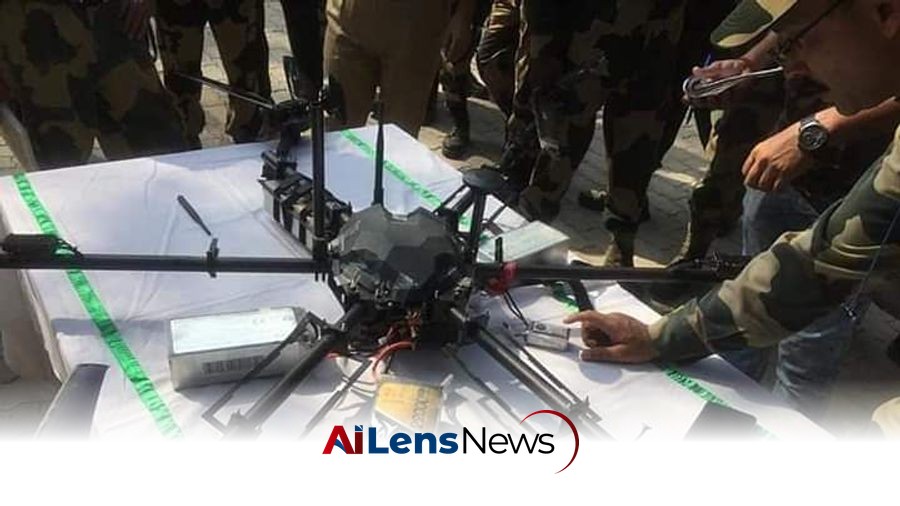


A drone was found in Samba, Jammu and Kashmir, prompting an investigation to determine its origin and potential cross-border use.
New Delhi, India Jul 14, 2026 ALN: A drone was recovered from an open field in Samba district of Jammu and Kashmir on Tuesday, officials said. This incident highlights ongoing concerns regarding the use of drones in sensitive border areas, particularly in regions with a history of conflict and security challenges.
The drone was found lying in an agricultural field near Devak by a resident of Chak Salaria, who spotted it while out on a morning run at 5:50 am, the officials stated. The individual, upon discovering the drone, immediately informed the nearby army unit, which subsequently seized the device. This quick action reflects the heightened vigilance of local residents and military personnel in the region, especially given the strategic importance of Jammu and Kashmir.
The drone has been sent for forensic examination to determine its origin, technical specifications, and whether it was used for any cross-border activity, according to the officials. Forensic analysis of drones can provide crucial information regarding their manufacturing details, potential user, and the technology employed, which can further aid in understanding the broader implications of drone usage in the area.
Earlier, Army troops deployed in the adjoining Nandpur village detected an unidentified flying object, suspected to be a drone, as it approached from the Arnia side at around 9 pm on Monday. The proximity of this incident to the border with Pakistan adds another layer of complexity to the situation. Jammu and Kashmir has been a focal point of tension between India and Pakistan for decades, and the use of drones in this region raises significant security concerns.
The Army immediately activated its anti-drone protocol and initiated jamming measures against the suspected drone, officials reported. These protocols are designed to neutralize potential threats posed by drones, particularly those that may be used for surveillance, smuggling, or even attacks. Jamming technology disrupts the communication signals between the drone and its operator, rendering the device inoperative or causing it to return to its point of origin.
Officials indicated that the recovered drone is suspected to be the same flying object and is believed to have come down following the jamming operation. This incident underscores the evolving tactics employed in the region, where drones have increasingly become tools for both surveillance and potential aggression.
The use of drones in conflict zones is not a new phenomenon, but their prevalence has significantly increased in recent years. Drones are often utilized for reconnaissance missions, delivering supplies, and even conducting attacks. In Jammu and Kashmir, the use of drones has raised alarms due to their potential for being used in cross-border terrorism or espionage activities. The region's rugged terrain and dense population make it an ideal location for such operations, complicating the security landscape.
Furthermore, the implications of drone usage extend beyond immediate security concerns. The presence of drones can affect civilian life, instilling fear and anxiety among local populations. Residents in border areas may feel vulnerable to surveillance or potential attacks, leading to a heightened sense of insecurity. This psychological impact is often overlooked in discussions about military technology and its applications.
In response to the increasing threat posed by drones, security forces in Jammu and Kashmir have been enhancing their capabilities to detect and neutralize these devices. This includes not only military measures but also community engagement to encourage local residents to report any suspicious activity. The collaboration between civilians and military personnel is crucial in maintaining security in such volatile regions.
The Jammu and Kashmir region has witnessed a notable escalation in drone-related incidents over the past few years. Reports indicate that drones have been used to drop weapons, ammunition, and drugs across the border, raising alarms among security agencies. The porous nature of the Line of Control (LoC) between India and Pakistan facilitates such activities, making it imperative for security forces to adapt to this evolving threat landscape.
As the forensic analysis of the recovered drone unfolds, authorities will be keenly observing the findings. The results may provide insights into the operational patterns of drone usage in the region and could potentially lead to policy changes regarding border security and drone regulation. Moreover, understanding the technology behind the drone could inform future counter-drone strategies, ensuring that security forces are equipped to handle emerging threats more effectively.
The international implications of drone technology cannot be ignored either. As countries around the world grapple with the challenges posed by unmanned aerial vehicles, the situation in Jammu and Kashmir serves as a microcosm of larger global trends. Nations are increasingly recognizing the need for comprehensive regulations governing drone use, balancing the benefits of technological advancements with the necessity of maintaining security and public safety.
In conclusion, the recovery of the drone in Samba district is a significant event that encapsulates the complexities of security in Jammu and Kashmir. It serves as a reminder of the evolving nature of conflict and the challenges posed by modern technology. As investigations continue and the implications of this incident unfold, it will be essential for authorities to remain vigilant and proactive in addressing the multifaceted threats posed by drones in this sensitive region.
Moreover, the incident brings to light the necessity for greater public awareness and education regarding drone technology and its implications. Local communities must be informed about the potential risks associated with drone sightings and the importance of reporting suspicious activities. This can foster a more secure environment and reinforce the partnership between civilians and military forces.
As drone technology continues to advance, it is crucial for governments and security agencies to develop robust frameworks for drone management. This includes not only counter-drone measures but also regulations governing the use of drones for legitimate purposes such as agriculture, disaster management, and surveillance. Striking a balance between security and innovation will be key to ensuring the safety of residents in border areas while harnessing the benefits of drone technology.
In the context of Jammu and Kashmir, the situation remains particularly sensitive. The region has been a battleground for decades, with historical grievances and geopolitical tensions fueling ongoing conflict. The introduction of drones into this volatile mix adds a new dimension to the security challenges faced by authorities. As such, addressing the implications of drone usage will require a multifaceted approach, combining military readiness, community engagement, and policy reform.
In summary, the recovery of the drone in Samba district serves as a crucial reminder of the evolving nature of threats in conflict zones. It underscores the need for vigilance, adaptability, and collaboration among all stakeholders involved in ensuring the security and safety of the region. As investigations progress, the findings will not only shed light on the specific incident but also contribute to a broader understanding of the implications of drone technology in contemporary security landscapes.
To learn more about the latest developments in Local & Regional, stay updated with our exclusive reports and analyses on AiLensNews.

