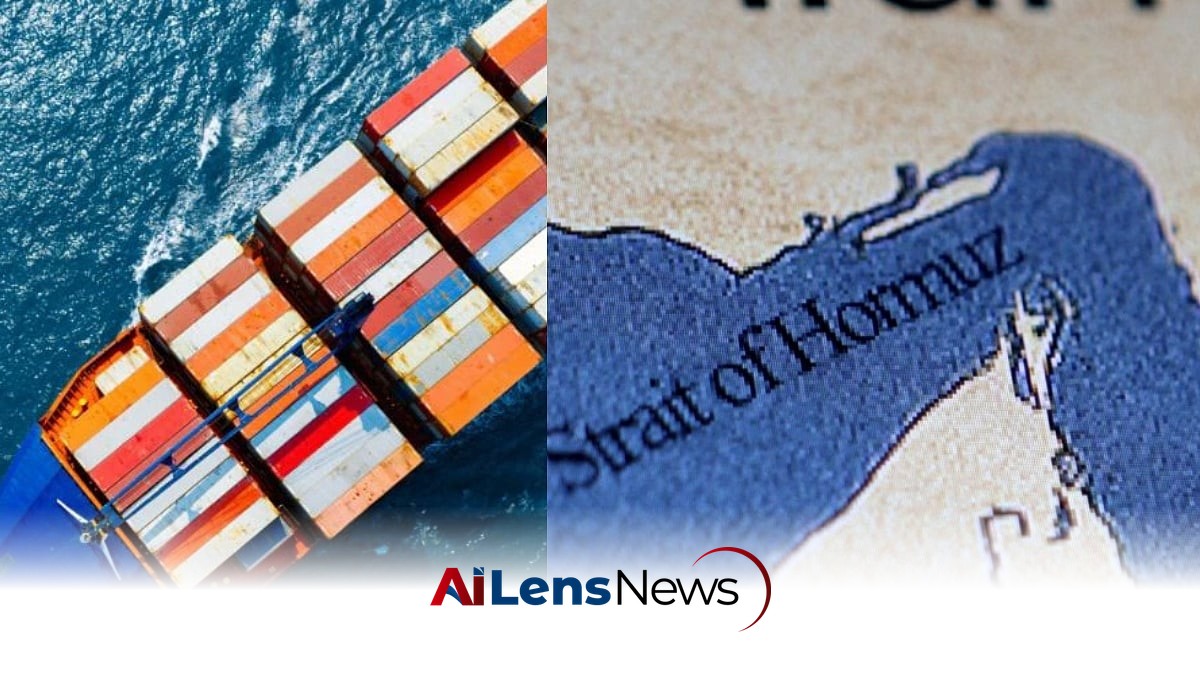


India's DGMA has urged ship owners to refrain from deploying Indian seafarers in the Strait of Hormuz due to escalating security risks linked to US-Iran conflicts.
New Delhi, India Jul 16, 2026 ALN: India’s Directorate General of Maritime Administration (DGMA) has issued an advisory asking ship owners, ship managers, and recruitment agencies to temporarily avoid deploying Indian seafarers on vessels transiting the Strait of Hormuz, citing increased security risks in the Gulf region. This advisory reflects heightened concerns regarding the safety of maritime operations in one of the world's busiest shipping lanes, which has become increasingly perilous due to geopolitical tensions and recent incidents of maritime violence.
The advisory, issued on Wednesday, comes after a series of attacks on merchant vessels operating in and around the Persian Gulf, with some incidents resulting in casualties among Indian seafarers. These attacks can be attributed to a variety of factors, including ongoing conflicts in the region, piracy, and the rising influence of non-state actors who may target commercial shipping as a means of exerting political pressure or advancing their agendas. The situation has escalated in recent years, with various regional conflicts, including tensions between Iran and the United States, contributing to an environment fraught with danger for maritime operations.
The DGMA stated that the safety, security, and welfare of Indian crew members, along with the protection of Indian vessels, remain its highest priority. This commitment is particularly significant given that India has one of the largest contingents of seafarers in the world, with thousands of Indian nationals working on international vessels across various shipping routes. The advisory underscores the importance of safeguarding these workers who play a crucial role in global trade and the economy. Indian seafarers are often employed on foreign-flagged vessels, and their contributions are vital to maintaining the flow of goods and resources across international waters.
The DGMA highlighted recent attacks involving merchant ships, including Mombasa B, Al Bahyah, GFS Galaxy, MT WEDYAN, and AL REKAYYAT, which have increased concerns over the safety of commercial shipping operations in the region. These incidents have not only resulted in material damage to vessels but have also raised alarms regarding the potential for loss of life and injury among crew members. The frequency and nature of these attacks highlight the volatile security environment in the Gulf, prompting the DGMA to take precautionary measures. Reports indicate that these attacks have been characterized by the use of explosives, boarding attempts, and other aggressive tactics that put the lives of seafarers at risk.
"In view of the heightened security situation in the Persian Gulf region, including incidents resulting in casualties among Indian seafarers and continuing attacks on merchant vessels during the ongoing conflict, the Directorate considers it necessary to adopt enhanced precautionary measures," the regulator stated. This proactive stance is indicative of the DGMA's recognition of the evolving threats faced by maritime workers and the need to adapt to these challenges swiftly. The advisory serves as a reminder of the potential dangers that seafarers face in high-risk areas and the importance of adhering to safety protocols.
The advisory also directed masters of vessels operating in the Persian Gulf, the Strait of Hormuz, and nearby waters to maintain strict security measures. This includes adhering to best practices for maritime security, such as conducting thorough risk assessments, ensuring crew training on emergency protocols, and implementing comprehensive security plans that account for the unique threats present in the region. The DGMA's guidance emphasizes the need for ship operators to remain vigilant and proactive in safeguarding their crews and vessels.
Ships have been instructed to closely monitor navigational warnings, security updates, and advisories issued by relevant authorities. This vigilance is crucial for ensuring that vessels can respond promptly to emerging threats and navigate safely through contested waters. The DGMA’s directive emphasizes the necessity for real-time communication and situational awareness, which are vital components of maritime safety in high-risk areas. The ongoing conflict in the region has resulted in a complex and unpredictable security landscape, making it essential for maritime operators to stay informed about the latest developments.
The DGMA further asked vessels to comply with all applicable safety protocols under the International Ship and Port Facility Security (ISPS) Code, which lays down security standards for ships and ports involved in international trade. Compliance with the ISPS Code not only helps in mitigating risks but also enhances the overall security posture of maritime operations, making it more difficult for potential adversaries to target vessels successfully. The ISPS Code is a critical framework designed to protect ships and ports from security threats, and adherence to its guidelines is a fundamental aspect of ensuring maritime safety.
For emergency assistance, Indian seafarers and vessels operating in the region have been advised to contact the DGMA Communication Centre or the Indian Navy’s Information Fusion Centre–Indian Ocean Region (IFC-IOR). These resources are designed to provide critical support and information to mariners facing emergencies or security threats, ensuring that they have access to the necessary assistance when navigating through dangerous waters. The establishment of these communication channels underscores the importance of having reliable support systems in place for maritime workers in high-risk environments.
The Strait of Hormuz is one of the world’s most important maritime chokepoints, handling a significant portion of global oil and gas shipments. Approximately one-fifth of the world's oil supply passes through this narrow strait, underscoring its strategic importance to the global economy. Given its critical role in energy transportation, any disruption in this area can have far-reaching implications, affecting global oil prices, energy security, and international trade dynamics. The geopolitical stakes in this region are exceedingly high, and any incidents that threaten the safety of maritime operations can have cascading effects on economies worldwide.
The recent escalation of tensions in the Gulf has disrupted shipping activity and raised concerns over the safety of crews and commercial vessels. The geopolitical landscape has been marked by heightened military presence, retaliatory strikes, and ongoing conflicts involving regional powers, which have all contributed to an unstable environment for maritime operations. As a result, shipping companies are increasingly reevaluating their routes and operational strategies to mitigate risks associated with transiting through these high-threat areas. The DGMA’s advisory serves as a critical intervention aimed at protecting Indian seafarers and ensuring that they are not placed in harm's way during this tumultuous period.
The DGMA’s advisory is aimed at reducing risks for Indian maritime workers until the security situation improves and further directions are issued. This approach reflects a broader trend among maritime authorities worldwide, who are increasingly prioritizing the safety of seafarers in response to evolving threats. As tensions in the region continue to fluctuate, it remains imperative for stakeholders in the maritime industry to stay informed and prepared to adapt to changing circumstances, ensuring that the safety and security of crews are maintained at all times. The advisory highlights the need for a collaborative effort among governments, shipping companies, and international organizations to address the challenges posed by maritime threats and to develop strategies that enhance the safety of maritime operations globally.
To learn more about the latest developments in World News & International Affairs, stay updated with our exclusive reports and analyses on AiLensNews.

