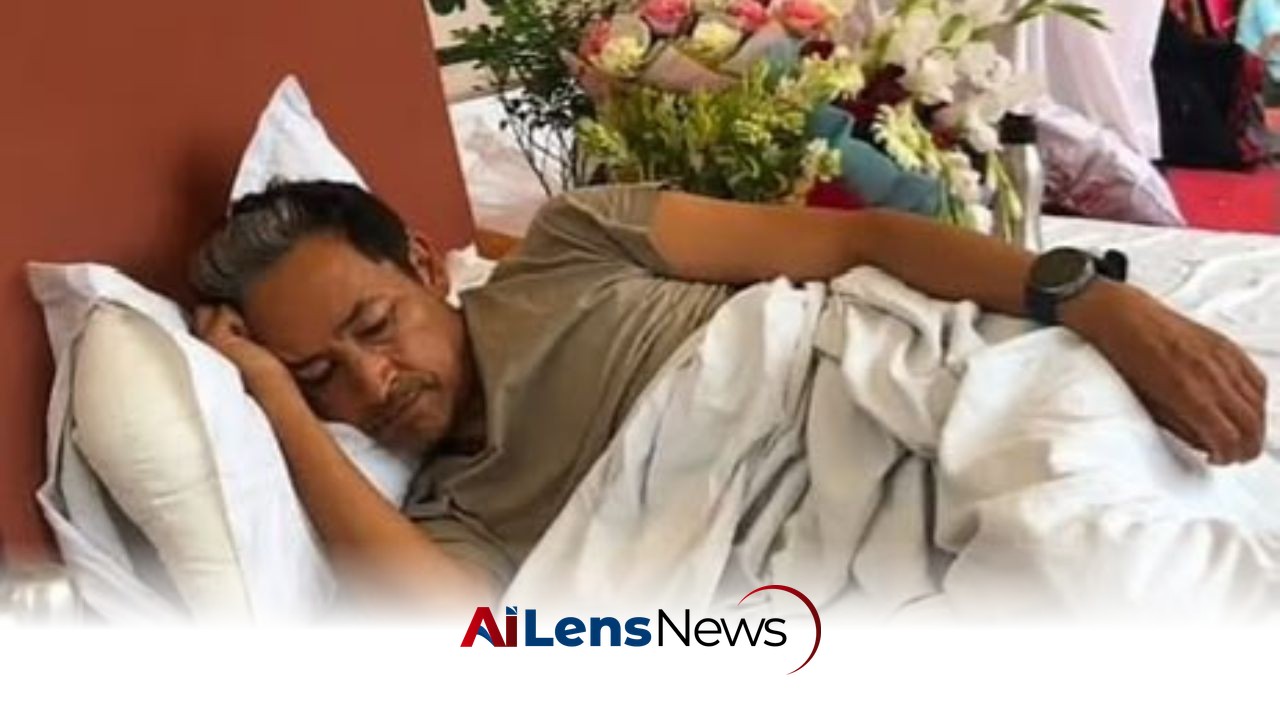


The Delhi High Court has ordered daily health monitoring for activist Sonam Wangchuk during his indefinite fast over NEET exam irregularities, emphasizing the importance of life.
New Delhi, India Jul 16, 2026 ALN: New Delhi: The Delhi High Court has issued a directive for authorities to conduct daily health checks on activist Sonam Wangchuk, who is currently on an indefinite fast at Jantar Mantar, protesting alleged irregularities in the NEET exam. The court emphasized that "life is precious" and mandated immediate medical intervention should his condition worsen.
The bench, comprising Chief Justice D K Upadhyaya and Justice Tejas Karia, underscored the necessity of regular health assessments by government doctors. They stated that all medical efforts must be made to preserve the life of any citizen. This ruling not only reflects the judiciary's commitment to safeguarding individual rights but also highlights the responsibilities of the government in ensuring the health and safety of its citizens, particularly those engaged in peaceful protests.
Solicitor General Tushar Mehta, representing both the Centre and the Delhi government, acknowledged the importance of Wangchuk's health and agreed to the daily medical checkups. The court remarked, "We observe that life of any citizen is precious and all medical efforts ought to be made by government authorities to save the same." This statement underscores the judiciary's role as a guardian of civil liberties and the importance of state accountability in health matters.
In its ruling, the court directed that Wangchuk's medical condition be monitored clinically on a daily basis, and any necessary medical intervention should be provided based on the doctors' assessments. This ruling came as the court concluded proceedings on a Public Interest Litigation (PIL) concerning Wangchuk's health. The PIL was filed by Rakesh Kumar Saini, who expressed concern over Wangchuk's deteriorating health and urged for immediate assistance from the authorities.
The Cockroach Janta Party has been protesting for over 25 days, demanding the resignation of Union Education Minister Dharmendra Pradhan due to alleged NEET examination irregularities. Wangchuk joined the protest on June 28 and has been fasting since then. His involvement in the protest and subsequent fast has drawn significant attention to the issues surrounding the NEET exam, which is a crucial entrance test for medical colleges in India. Allegations of corruption and irregularities in the examination process have raised questions about the integrity of the educational system and the fairness of opportunities available to students across the country.
During the hearing, the court inquired whether there was a system in place to monitor Wangchuk's health and if any reports were available. Mehta responded that daily health checkups were conducted, and Wangchuk was kept informed of his health parameters. However, the court insisted that government doctors should be responsible for Wangchuk's examinations and any necessary interventions. "We are not on private doctors. We would like this person to be regularly medically checked up by government doctors and intervene depending on the report. If medical intervention of any kind is required, please intervene. Life is precious," the court stated. This insistence on government oversight reflects a broader concern about the adequacy of care provided to individuals in similar situations and the potential for private medical practices to prioritize profit over patient welfare.
Petitioner Rakesh Kumar Saini urged the authorities to provide immediate assistance to Wangchuk as his health deteriorated. The PIL called for a directive to ensure Wangchuk received necessary medical attention and even suggested the possibility of force-feeding him if required. This raises ethical questions about the extent to which the state can intervene in the personal choices of individuals, especially in the context of hunger strikes, which are often used as a form of protest to draw attention to specific issues.
The petition highlighted the government's apparent lack of concern and emphasized that the court would not permit a citizen to "voluntarily die of hunger." It further stated that if Wangchuk were to lose his life, it would reflect poorly on the country, and the government should act to provide immediate medical care to save him. This statement reflects a growing concern among citizens and activists regarding the government's accountability in protecting the rights of individuals who engage in peaceful protests, particularly when such protests involve self-sacrifice.
Moreover, the plea asserted that the right to peaceful protest is a fundamental democratic right, and the government's inaction in this case could be seen as abetting suicide. This assertion aligns with constitutional provisions that protect the right to free speech and assembly, which are essential components of a healthy democracy. The implications of this case extend beyond Wangchuk's immediate health concerns; they touch upon the broader principles of civic engagement and the responsibilities of the state toward its citizens.
As the situation unfolds, the court's ruling serves as a reminder of the importance of safeguarding individual rights and health, particularly in the context of peaceful protests. It raises critical questions about the balance between individual rights and state intervention, the ethical implications of medical care in protest situations, and the responsibilities of the government to uphold the dignity and well-being of its citizens. The outcome of Wangchuk's fast and the government's response may set important precedents for how similar situations are handled in the future, potentially influencing public policy and the legal framework surrounding protests and civil disobedience in India.
In conclusion, the Delhi High Court's directive for daily health monitoring of Sonam Wangchuk is a significant development in the ongoing discourse about civil rights, government accountability, and the ethical responsibilities of medical professionals. As the case progresses, it will be essential to observe how the government responds to the court's mandate and the implications this has for the future of peaceful protests in the country. The intersection of health, rights, and activism remains a critical area of concern, reflecting the dynamic and often contentious relationship between citizens and the state in a democratic society.
To learn more about the latest developments in Health & Public Safety, stay updated with our exclusive reports and analyses on AiLensNews.

