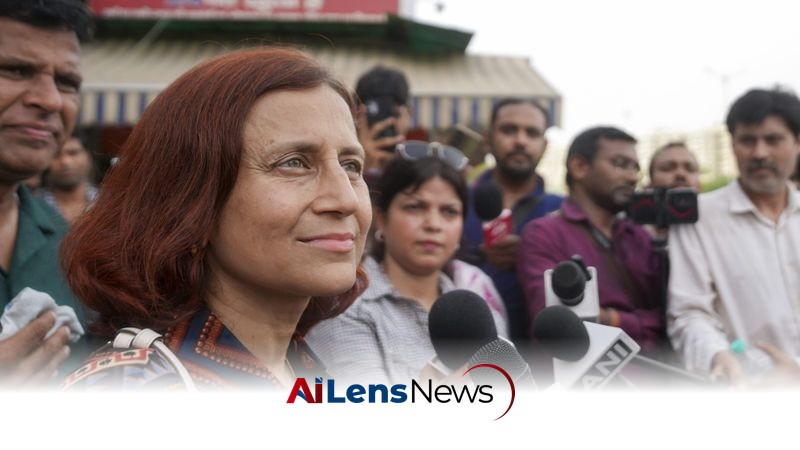


The Delhi High Court has rejected a plea for Sonam Wangchuk's transfer to a private medical facility, following an oral order during a special Sunday session.
New Delhi, India Jul 19, 2026 ALN: The Delhi High Court has ruled against a plea seeking the transfer of environmentalist and education reformer Sonam Wangchuk to a private medical facility. The decision was delivered during a special Sunday sitting convened to address the urgent request made by Wangchuk's wife, Gitanjali Angmo.
Wangchuk, known for his innovative approaches to education and environmental sustainability, has been in custody and his health has raised concerns among his family and supporters. Angmo's plea highlighted the need for better medical care, arguing that a private facility would provide more comprehensive treatment options for her husband.
Sonam Wangchuk has been a prominent figure in advocating for sustainable development in Ladakh and has gained international recognition for his work. His innovative methods, including the creation of the "Ice Stupa" project, which aims to conserve water in arid regions by creating artificial glaciers, have garnered attention both domestically and internationally. Wangchuk's recent legal troubles have drawn significant media attention, with many calling for his release and better treatment.
Wangchuk's advocacy has not only focused on environmental issues but has also extended to educational reforms in the region. He has been a vocal critic of the traditional education system, advocating for a model that is more aligned with the cultural and environmental context of Ladakh. His work has inspired many young people, and he has become a symbol of hope for those seeking change in the region.
However, Wangchuk's current situation has raised alarm among his supporters. The plea for transfer was based on claims that Wangchuk's current medical care was inadequate. Angmo expressed her worries about her husband's deteriorating health, emphasizing the urgency of the situation. Reports suggest that his health has been declining, which has led to fears that he may not receive the necessary medical attention while in custody.
During the hearing, the court considered the arguments presented but ultimately decided against the transfer. The judges noted that there was no compelling evidence to justify moving Wangchuk to a private facility at this time. They emphasized the importance of following due process and ensuring that the legal proceedings are respected. The court's decision underscores the legal complexities surrounding the rights of individuals in custody, especially regarding their medical care.
This ruling has sparked a mixed reaction among Wangchuk's supporters, many of whom believe that he deserves better medical care given his contributions to society. Activists have rallied around the case, urging the government to prioritize the health and well-being of individuals in custody. The situation raises important questions about the treatment of activists and dissenters in India, particularly those who challenge the status quo or advocate for marginalized communities.
The decision has led to widespread discussions on social media, with many users expressing their concerns for Wangchuk's health and calling for transparency in his treatment. Supporters have taken to various platforms to voice their opinions, with hashtags related to Wangchuk's case trending on social media. Many have called for a re-evaluation of how individuals in custody are treated, particularly in terms of access to medical care.
In addition to social media campaigns, supporters are planning further actions to advocate for Wangchuk's rights and well-being. Protests and awareness campaigns are being organized in various cities, aiming to draw attention to the broader issues of human rights and health care for prisoners in India. Activists are also calling for reforms in the legal system to ensure that individuals in custody receive fair treatment and adequate medical care.
The case of Sonam Wangchuk is not isolated; it reflects a larger pattern of how environmental activists and social reformers are treated in India. In recent years, there has been a noticeable increase in the number of cases where activists have faced legal challenges, often under laws that critics argue are misused to silence dissent. The implications of such actions extend beyond individual cases, raising concerns about the state of democracy and freedom of expression in the country.
Moreover, the treatment of prisoners in India has been a longstanding issue, with numerous reports highlighting inadequate medical facilities, overcrowding, and lack of access to necessary healthcare. Wangchuk's case has brought these systemic issues to the forefront, prompting calls for reform that could benefit not only him but also countless others who find themselves in similar situations.
As the legal proceedings continue, the case is likely to set a precedent regarding the treatment of prisoners, particularly those who are activists. The Delhi High Court's decision to deny the transfer request raises critical questions about the rights of individuals in custody and the responsibilities of the state to provide adequate healthcare. Legal experts and human rights advocates are closely monitoring the situation, as the outcomes could influence future cases involving activists and dissenters.
Activists are also concerned about the chilling effect that such cases may have on social movements. The fear of legal repercussions can deter individuals from speaking out against injustices or engaging in activism, which is detrimental to the democratic fabric of society. Wangchuk's case serves as a rallying point for those advocating for human rights, and it may inspire more individuals to stand up against perceived injustices.
The Delhi High Court's rejection of the transfer plea highlights the complexities surrounding legal and medical care for individuals in custody. As supporters continue to rally for Wangchuk, the case serves as a reminder of the ongoing challenges faced by activists in India. The intersection of health care, legal rights, and activism raises critical questions about the treatment of individuals who stand up for social and environmental justice.
Furthermore, Wangchuk's case may influence future discussions on the rights of activists and the responsibilities of the state in providing adequate care for those in their custody. As public awareness grows, there may be increased pressure on the government to ensure that the rights of all individuals, especially those advocating for change, are upheld and protected. The outcome of this case could potentially serve as a catalyst for broader reforms in the legal and healthcare systems, promoting a more just and equitable society for all.
To learn more about the latest developments in Crime & Law, stay updated with our exclusive reports and analyses on AiLensNews.

