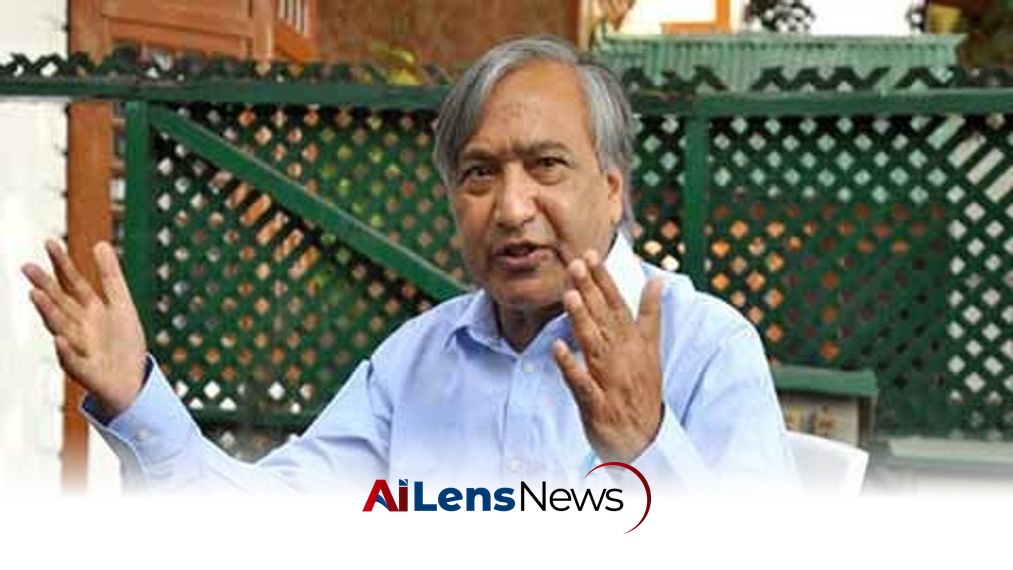


CPI(M) leader M.Y. Tarigami condemns the recent killings in PaK, calling for an end to violence and support for the affected communities.
New Delhi, India Jul 28, 2026 ALN: The Communist Party of India (Marxist), commonly referred to as CPI(M), has issued a strong condemnation of the recent violence occurring in Pakistan-administered Kashmir (PaK), expressing deep sorrow for the loss of life and the suffering endured by the local populace. The statement reflects the party's longstanding concern for human rights and its commitment to advocating for peaceful resolutions to conflicts.
CPI(M) leader and Member of the Legislative Assembly (MLA) from Kulgam, M.Y. Tarigami, articulated the party's position, emphasizing that no justification exists for the violence that has transpired. He stated, "We share the grief of the people of PaK at this moment of loss and repression," highlighting the emotional and humanitarian aspects of the crisis. Tarigami's remarks come in the wake of a violent confrontation involving security forces and protesters, which has left a significant impact on the region.
The violence erupted during a protest organized by the Joint Awami Action Committee (JAAC), which was attempting to stage a long march towards Muzaffarabad, the capital of PaK. Reports indicate that on Monday, security forces opened fire on the demonstrators near Rawalakot, resulting in the deaths of at least three individuals and injuring many others. This incident is part of a broader pattern of unrest that has been escalating in the region, with human rights organizations noting that the ongoing protest movement has led to dozens of fatalities since June.
In addition to the immediate violence, the situation in PaK has been exacerbated by an internet blackout, power cuts, and restricted access to medical facilities. These conditions have made it increasingly difficult for residents to communicate, access necessary services, and receive timely medical care. The internet blackout, in particular, has been criticized for impeding the flow of information and hindering the ability of rights groups to document the situation on the ground.
Tarigami's call for action includes demands for an immediate cessation of force against unarmed protesters, the release of all detainees who have been apprehended during the protests, and the provision of unhindered access to essential food and medical care for those affected by the violence. Furthermore, he has called for an independent inquiry into the killings, underscoring the need for accountability and transparency in the handling of the protests.
The CPI(M) leader also made an appeal to democratic and human rights organizations both within the region and internationally, urging them to stand in solidarity with the people of PaK. This call to action reflects a broader trend among political and civil society groups that seek to address human rights violations and advocate for peaceful dialogue in conflict zones.
The situation in Pakistan-administered Kashmir is complex and deeply rooted in historical grievances. The region has been a focal point of conflict between India and Pakistan since the two countries gained independence in 1947. Both nations claim the territory, leading to several wars and ongoing tensions. The local population has often found itself caught in the crossfire of these geopolitical disputes, with calls for autonomy and self-determination frequently met with resistance from the authorities.
In recent years, there has been a notable increase in protests and civil disobedience movements in PaK, driven by a range of factors, including demands for political representation, economic opportunities, and an end to military operations in civilian areas. The JAAC, which organized the recent protest, is one of several groups advocating for greater rights and recognition for the people of PaK. The JAAC's activism is indicative of a growing awareness among the populace regarding their rights and the need for a platform to voice their grievances.
This latest episode of violence has drawn attention to the broader implications of state responses to dissent. The use of force against protesters raises critical questions about the balance between maintaining order and respecting the rights of citizens to express their grievances. Human rights advocates argue that such actions can exacerbate tensions and lead to further unrest, creating a cycle of violence that is difficult to break. The situation in PaK is emblematic of a larger issue faced by many regions experiencing similar conflicts, where the state’s response to dissent often leads to further alienation of the populace.
Internationally, the response to the situation in PaK has been mixed. While some countries and organizations have called for restraint and dialogue, others have remained silent, reflecting the geopolitical complexities surrounding the Kashmir issue. The involvement of international human rights organizations could play a pivotal role in bringing attention to the plight of the people in PaK and advocating for their rights. The role of the international community is crucial, as it can influence the dynamics of conflict resolution and encourage dialogue between the conflicting parties.
As the situation continues to evolve, the potential for further escalation remains a concern. The call for solidarity from the CPI(M) and other political groups indicates a growing recognition of the need for collective action to address the humanitarian crisis in PaK. The hope is that increased awareness and pressure from the international community will lead to meaningful dialogue and a resolution to the longstanding issues affecting the region. The ongoing unrest highlights the urgent need for a comprehensive approach that addresses both the immediate humanitarian needs and the underlying political grievances.
In summary, the condemnation of violence by CPI(M) highlights the urgent need for a peaceful resolution to the conflicts in Pakistan-administered Kashmir. The party's demands for accountability, humanitarian access, and solidarity with the affected communities resonate with broader calls for justice and human rights in conflict zones around the world. As the situation develops, the eyes of both national and international observers remain focused on PaK, where the struggle for rights, recognition, and peace continues to unfold. The challenges faced by the people of PaK serve as a reminder of the complexities of regional conflicts and the critical importance of addressing human rights violations to foster a more peaceful and just society.
To learn more about the latest developments in Crime & Law, stay updated with our exclusive reports and analyses on AiLensNews.

