

The Congress party has condemned Prime Minister Modi for his silence on rising inflation, which has reached a 17-month high, affecting ordinary families.
New Delhi, India Jul 14, 2026 ALN: The recent surge in retail inflation to 4.38% in June has prompted a wave of criticism from the Congress party, which has accused the government of failing to manage the economy effectively over the past 12 years under the leadership of Prime Minister Narendra Modi. The Congress party argues that the rising prices have significantly disrupted the financial stability of ordinary families, raising questions about the government's economic policies and their impact on the common people.
According to government data released on July 13, the increase in inflation is primarily attributed to soaring food prices, which have pushed the rate of price rise above the Reserve Bank of India's median target of 4%. This development marks a significant moment as it is the first time retail inflation has exceeded this threshold under the new series of inflation measurement, which was implemented in January of this year, with the base year set as 2024. The shift to a new base year reflects an effort to modernize the measurement of inflation, but it also raises concerns about the accuracy and relevance of the data in reflecting current economic realities.
The implications of rising inflation are profound, particularly for households that allocate a significant portion of their budgets to food and essential commodities. As prices rise, families face difficult choices, often having to cut back on discretionary spending or even essential items to make ends meet. This situation can lead to increased stress and anxiety among families, particularly those in lower-income brackets who may already be struggling to cope with rising costs of living. The psychological toll of inflation can be significant, as families grapple with uncertainty about their financial futures.
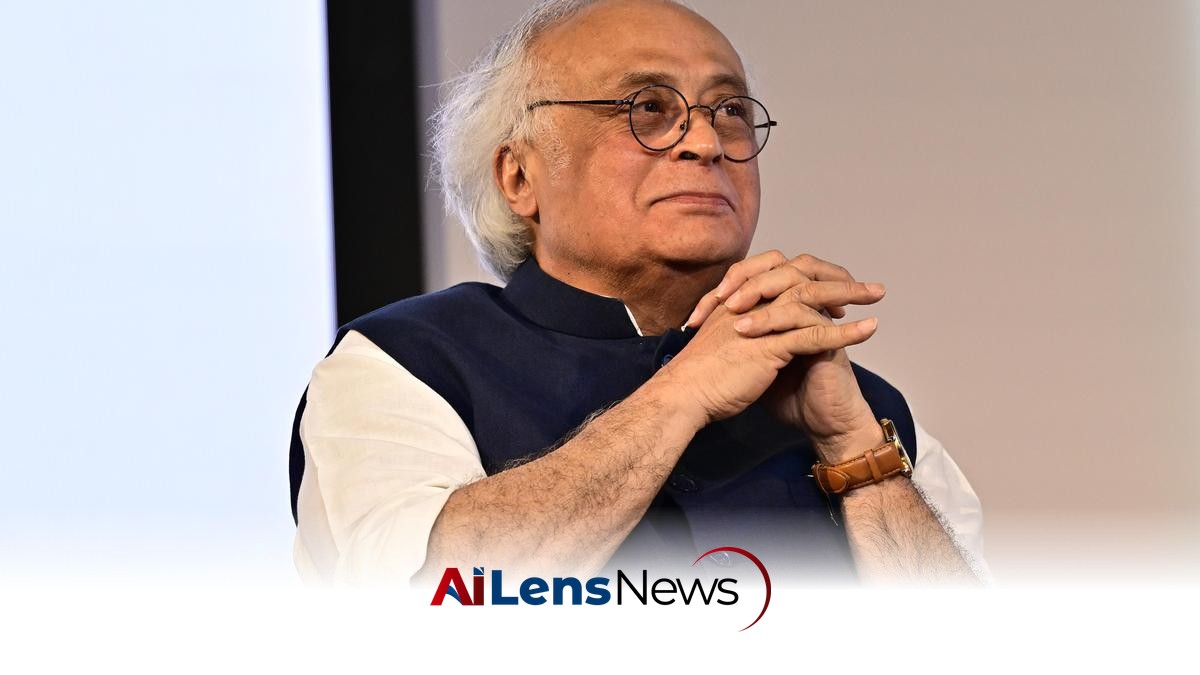
In a pointed post on social media platform X, Congress general secretary Jairam Ramesh articulated the party's stance, stating, "Modi sarkaar ke 12 saal ka ye hi hai asli saar: jhoonte vaadon ki bahaar aur janta par mehngaai aur berozgaari ka kroorh vaar!" [The true essence of the Modi government's 12 years: a flood of false promises and a cruel blow to the public in the form of inflation and unemployment!]. Ramesh's comments reflect a growing sentiment among opposition leaders who are increasingly vocal about the economic challenges facing the country. His use of social media to convey this message underscores the importance of digital platforms in contemporary political discourse, allowing for rapid dissemination of information and mobilization of public sentiment.
Ramesh further emphasized the severity of the situation, noting that the retail inflation rate has hit a 17-month high of 4.38% in June, while rural inflation is even higher at 4.74%. This disparity highlights the varying impacts of inflation across different demographics, particularly between urban and rural populations. Rural households, which often rely more heavily on agriculture and local markets, may be more susceptible to price fluctuations in food and essential goods. The higher inflation rate in rural areas can exacerbate existing inequalities, as these households may have less access to resources and support systems to help them cope with rising costs.
In addition to the immediate concerns about inflation, there are fears that rising prices could lead to increases in bank interest rates. Such hikes would further burden the middle class, particularly those with mortgages or loans for vehicles, as their equated monthly installments (EMIs) could rise, straining their finances even further. Ramesh pointedly questioned, "Why do profits fill the pockets of capitalists while the burden falls on the backs of the common people?" This rhetorical question underscores the growing frustration among citizens regarding perceived inequalities in economic recovery and wealth distribution. The notion that economic growth benefits only a select few is a recurring theme in political discussions, and it resonates deeply with voters who feel marginalized by current policies.
As inflation continues to rise, the Congress party's criticism of the Modi government is likely to intensify. Political analysts suggest that the opposition may leverage these economic challenges as a central theme in upcoming electoral campaigns, aiming to connect with voters who are feeling the pinch of rising costs. The Congress party's focus on inflation and economic hardship resonates with many citizens who are directly affected by these issues, potentially influencing public opinion and voter behavior. The political landscape in India is often shaped by economic conditions, and as such, the opposition's narrative around inflation may gain traction among disillusioned voters.
In June, the Consumer Price Index (CPI)-based inflation rose to 4.38%, up from 3.93% in May. This increase reflects a broader trend of rising prices that has been observed in various sectors of the economy. Food inflation, in particular, saw a notable rise, climbing to 5.32% in June from 4.78% in May, according to CPI data released by the Statistical Office (NSO). This sharp increase in food prices is particularly concerning, as it directly impacts the ability of families to afford basic necessities. Food inflation can also have wider implications for nutrition and health, as families may be forced to compromise on the quality of their diets in order to stretch their budgets.
The NSO data also revealed the top five items experiencing high inflation in June, which included silver, gold, diamond and platinum jewellery, as well as essential food items such as ginger, tomato, and raisin (kishmish). These items are not only staples in many households but also indicators of broader economic trends, as their prices often reflect supply chain dynamics and agricultural output. The rising costs of these essential goods can contribute to a cycle of inflation, as higher prices for inputs can lead to increased costs for consumers.
Conversely, the top five items with low inflation included potato, peas, motor car and jeep, cumin (jeera), and motorcycle and scooter. The presence of these items in the low inflation category suggests that while some sectors are experiencing price increases, others are managing to stabilize or even decrease in cost, highlighting the uneven nature of inflation across different markets. This disparity in inflation rates across various sectors can complicate the government's efforts to implement effective economic policies that address the needs of all citizens.
While the average inflation rate stood at 4.38%, the CPI for rural and urban areas was recorded at 4.74% and 3.92%, respectively. This discrepancy points to the challenges faced by rural households, which often deal with higher costs for essential goods compared to their urban counterparts. The economic landscape in India is complex and multifaceted, with inflation being just one of many factors influencing the financial well-being of families across the country. The government must navigate these complexities to implement policies that can effectively address the diverse needs of its population.
Looking ahead, the government will likely face mounting pressure to address these inflationary pressures and their implications for everyday citizens. Policymakers may need to consider a range of strategies, from adjusting monetary policy to implementing measures aimed at stabilizing prices and supporting vulnerable populations. As the political landscape evolves, the ongoing discourse surrounding inflation will undoubtedly remain a critical issue for both the government and opposition parties, shaping the future of economic policy and public sentiment in India. The ability of the government to respond effectively to these challenges will be crucial in maintaining public trust and confidence in its economic management. As the nation grapples with these pressing issues, the discourse on inflation will continue to be a focal point for political debate and public concern.
To learn more about the latest developments in Economy, stay updated with our exclusive reports and analyses on AiLensNews.

