

More
Checking your session
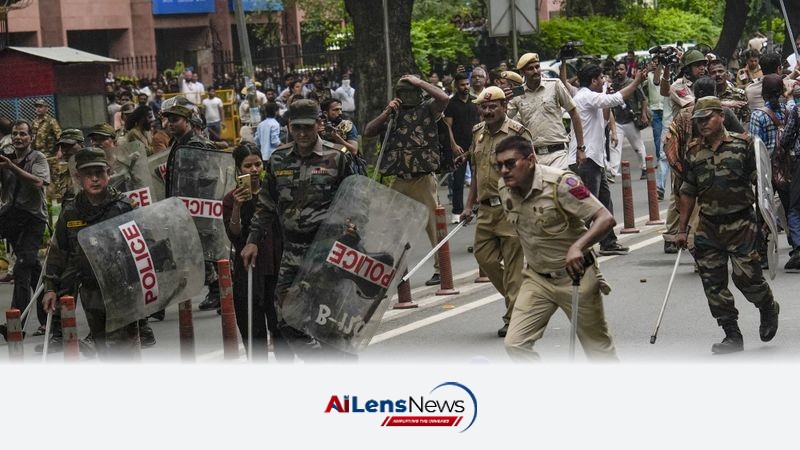



Concerns have been raised regarding the composition of a Supreme Court committee tasked with investigating alleged police misconduct during recent protests.
Chandigarh, India Aug 26, 2026 ALN: In a significant development, petitioners have expressed their concerns regarding the composition of a five-member high-powered committee established by the Supreme Court to investigate alleged police excesses during the protests related to the Chief Justice of Pakistan (CJP) last month. The committee, headed by former Supreme Court judge Justice R Subhash Reddy, is under scrutiny as some petitioners are calling for its reconstitution.
The protests, which erupted in response to various grievances, have raised serious questions about the conduct of law enforcement agencies. Allegations of excessive force and violence against both protesters and police personnel have emerged, prompting the Supreme Court to intervene and form a committee to investigate these claims. The protests were largely driven by public dissatisfaction with judicial decisions and perceived injustices within the legal system, culminating in widespread demonstrations across various cities.
Petitioners argue that the current composition of the committee lacks the necessary impartiality and expertise to thoroughly examine the incidents that occurred during the protests. They believe that the effectiveness of the inquiry could be compromised if the committee is not restructured to include members with diverse perspectives and backgrounds. Critics have pointed out that the committee's members, primarily drawn from judicial backgrounds, may not adequately represent the voices of civil society, human rights advocates, or those directly affected by the police actions during the protests.
Moreover, the petitioners have highlighted the importance of including individuals with expertise in law enforcement practices, human rights law, and community relations. They argue that such diversity would not only enhance the credibility of the investigation but also ensure that all facets of the incidents are examined comprehensively. The call for reconstitution reflects a broader demand for reform in how investigations into police conduct are conducted, emphasizing the need for transparency and accountability.
The protests that sparked this inquiry were marked by significant unrest and confrontations between demonstrators and law enforcement. Eyewitness accounts and media reports have highlighted instances of alleged police brutality, raising public concern over the handling of the situation. The protests were characterized by a mix of peaceful demonstrations and instances of violence, with both sides facing accusations of misconduct. Videos circulated on social media purportedly showing police using excessive force against unarmed protesters, which further fueled outrage and demands for accountability.
In the context of these protests, the role of the police has come under intense scrutiny. Critics argue that the police response was disproportionate and indicative of a broader trend of heavy-handed tactics employed by law enforcement in managing civil unrest. The protests have thus not only raised questions about specific incidents but also about systemic issues within the police force and their approach to public demonstrations.
As the petitioners seek a reconstitution of the committee, they emphasize the need for accountability and transparency in the investigation process. They argue that a fair and unbiased inquiry is crucial for restoring public trust in the judicial system and law enforcement agencies. The demand for accountability is not just about addressing the specific incidents from the protests but also about ensuring that there are mechanisms in place to prevent future abuses of power by law enforcement. This includes calls for policy reforms, better training for police officers, and a commitment to uphold the rights of citizens during protests.
Furthermore, the petitioners' push for a reconstituted committee aligns with a growing movement within civil society advocating for human rights and the protection of civil liberties. Many activists believe that the response of the state to protests reflects a broader trend of diminishing democratic freedoms, and they are calling for reforms that will ensure that citizens can express their grievances without fear of retribution.
The Supreme Court is expected to address the petitioners' concerns in an upcoming hearing. The outcome of this inquiry could have significant implications for police conduct and the broader context of civil rights in the country. Depending on how the court responds to the calls for reconstitution, this could set a precedent for how future investigations into police behavior are conducted. If the court agrees to reconstitute the committee, it may signal a willingness to engage more deeply with issues of accountability and transparency in law enforcement.
In conclusion, the demand for a reconstitution of the Supreme Court panel reflects a growing concern over the need for accountability in the face of alleged police excesses during the CJP protests. As the situation unfolds, the focus remains on ensuring that justice is served and that the rights of all individuals are upheld. The implications of this inquiry extend beyond the immediate context of the protests, as they touch upon fundamental questions regarding the relationship between the state and its citizens, the role of law enforcement, and the preservation of democratic values in the face of civil unrest.
To learn more about the latest developments in Crime & Law, stay updated with our exclusive reports and analyses on AILensNews.