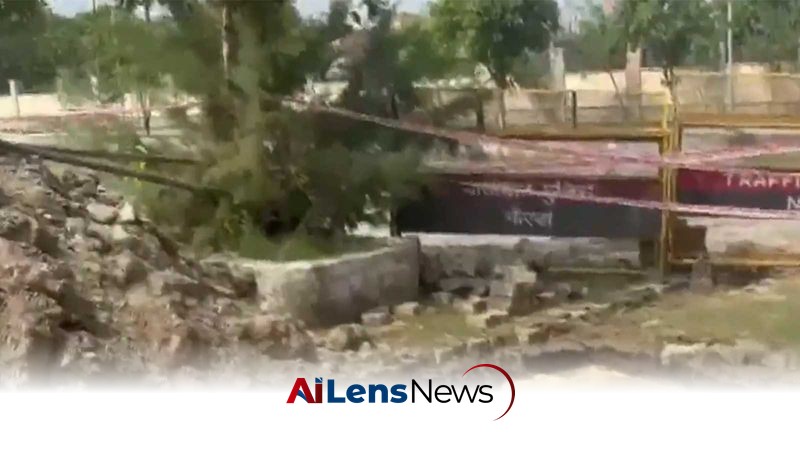


A six-year-old boy tragically drowned after falling into a water-filled pit in Greater Noida, highlighting safety concerns in residential areas.
Chandigarh, India Jul 26, 2026 ALN: A six-year-old boy tragically drowned in Greater Noida after accidentally falling into a water-filled pit that had been dug for boring work. The incident, which occurred in a residential colony, has raised significant safety concerns among local residents and authorities. This devastating event not only highlights the dangers present in construction zones but also brings to light the broader issue of child safety in urban environments.
According to police reports, the boy was playing near the construction site when he slipped and fell into the pit. Despite immediate efforts to rescue him, he was pronounced dead upon arrival at the hospital. This heartbreaking event has left the boy's family and the community in shock, as they grapple with the loss of a young life that was full of potential. The emotional impact of such a tragedy is profound, affecting not only the immediate family but also friends, neighbors, and the entire community, who often share in the grief of such incidents.
Residents have expressed their outrage over the lack of safety measures around construction sites, especially in populated areas. Many are calling for stricter regulations to ensure that such dangerous pits are properly secured to prevent similar tragedies in the future. The community has taken to social media and local forums to voice their concerns, demanding accountability from both the construction companies involved and local government officials. The overwhelming sentiment is one of frustration, as many feel that the safety of children should be a priority that is not overlooked in the pursuit of development.
This incident has sparked a larger conversation about the responsibilities of construction companies and the need for robust safety protocols. Parents, educators, and community leaders are advocating for increased awareness and proactive measures to protect children from potential hazards associated with nearby construction activities. The emotional toll of this incident has galvanized the community, prompting many to come together in solidarity to honor the memory of the young boy and to push for meaningful change.
Local authorities have stated that they will investigate the incident thoroughly. They have promised to implement measures to enhance safety protocols at construction sites, including better signage and barriers to protect children and pedestrians. Officials have acknowledged that while construction is essential for urban development, it must not come at the cost of public safety. This incident has prompted a reevaluation of existing safety regulations and a commitment to enforce stricter guidelines for construction projects, particularly in residential areas where children are likely to be present.
In addition to immediate safety measures, there is a growing call for long-term strategies aimed at preventing such accidents. This includes regular inspections of construction sites, mandatory safety training for workers, and community engagement initiatives to keep residents informed about ongoing construction activities. The need for a collaborative approach involving construction companies, local government, and community members is becoming increasingly evident as stakeholders seek to prevent future tragedies.
This incident serves as a grim reminder of the importance of safety measures in residential areas, particularly where construction work is ongoing. Construction sites can pose significant hazards, including open pits, heavy machinery, and debris. Parents are urged to be vigilant and to educate their children about the dangers of playing near such sites. It is crucial for parents to communicate the risks associated with construction zones and to instill a sense of caution in their children when they are near these areas.
Moreover, this tragedy has highlighted the need for community awareness campaigns aimed at educating residents about the potential dangers of construction sites. Schools, local organizations, and community groups can play a vital role in disseminating information about safety practices and encouraging children to stay away from hazardous areas. The goal is to foster a culture of safety that prioritizes the well-being of children and vulnerable populations.
The community is mourning the loss of a young life, and many hope that this tragedy will lead to improved safety standards to protect children in the future. The emotional scars left by such incidents can last a lifetime, and it is the responsibility of all stakeholders—parents, construction companies, and local authorities—to work together to create a safer environment for children. The implementation of safety measures such as fencing, warning signs, and regular inspections of construction sites can significantly reduce the risk of similar accidents occurring in the future.
The drowning of the young boy in Greater Noida is not an isolated incident; it reflects a larger pattern of safety oversights in construction and urban planning. As cities continue to expand and develop, the need for comprehensive safety regulations becomes increasingly critical. Many urban areas are grappling with similar issues, where the rapid pace of development often outstrips the enforcement of safety standards. This incident serves as a catalyst for discussions around urban safety, child protection, and the responsibilities of construction companies.
Moreover, this tragedy raises questions about the adequacy of current laws and regulations governing construction sites. Are existing laws sufficient to protect vulnerable populations, such as children? Are construction companies held accountable for lapses in safety? These are questions that need to be addressed not only in Greater Noida but across various urban centers facing similar challenges.
In the aftermath of this incident, there may be calls for policy changes at the local and state levels. Advocacy groups may emerge, pushing for stronger regulations and increased oversight of construction activities. Community meetings may be organized to discuss safety concerns, and local leaders may find themselves under pressure to take action to prevent future tragedies. The involvement of advocacy groups can also lead to a more structured approach to safety regulations, as they push for accountability and transparency in the construction industry.
As the investigation unfolds, it is essential that the community remains engaged and vocal about their safety concerns. Public outcry can lead to meaningful change, and it is vital for residents to continue advocating for their rights to a safe living environment. The tragic loss of this young boy should not be in vain; it must serve as a wake-up call to all stakeholders involved in urban development.
In conclusion, the drowning of the six-year-old boy in Greater Noida is a tragic reminder of the need for heightened awareness and improved safety measures around construction sites. The emotional and psychological impact of such an event resonates deeply within the community, prompting discussions about child safety and the responsibilities of those involved in urban development. As the investigation continues, it is hoped that this incident will lead to concrete changes that prioritize the safety and well-being of children and residents alike. The community's response to this tragedy will play a crucial role in shaping the future of safety regulations and ensuring that such incidents are prevented in the future.
To learn more about the latest developments in Crime & Law, stay updated with our exclusive reports and analyses on AiLensNews.

