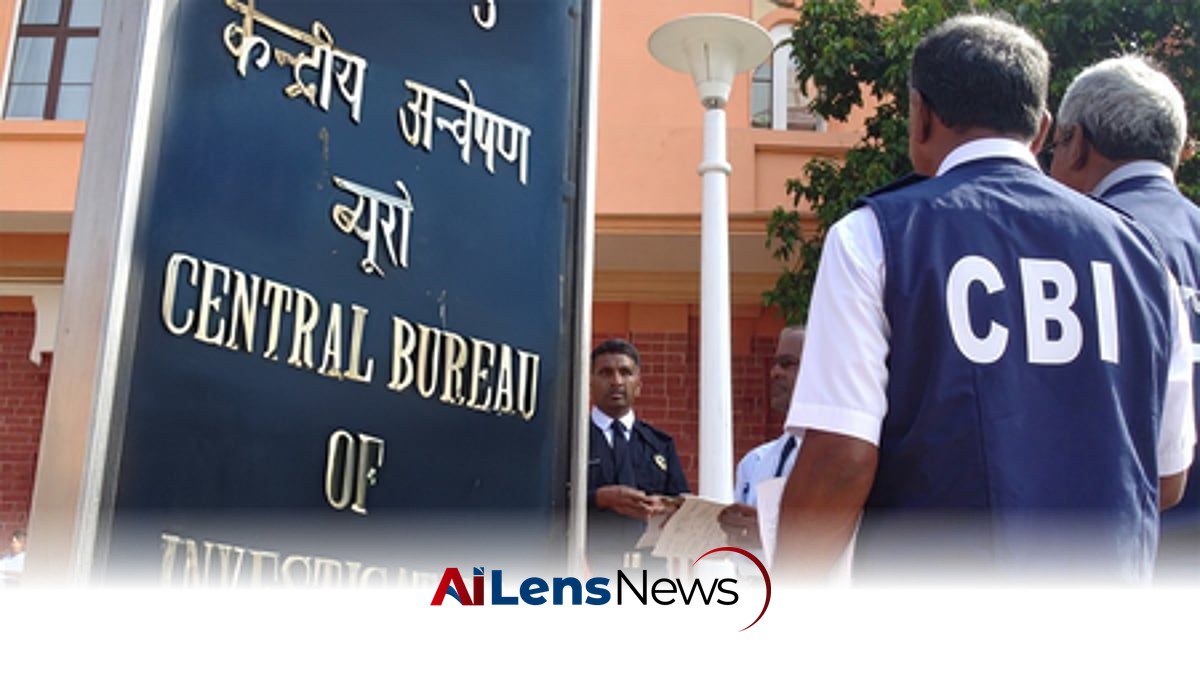


The CBI has filed a chargesheet against 13 individuals in connection with the NEET UG 2026 paper leak, citing serious charges including criminal conspiracy and cheating.
New Delhi, India Jul 28, 2026 ALN: The Central Bureau of Investigation (CBI) on Tuesday filed a chargesheet against 13 arrested persons in connection with the alleged irregularities and paper leak in the NEET UG-2026 examination. This development comes as part of an ongoing investigation into a scandal that has raised serious concerns about the integrity of one of India's most critical medical entrance examinations.
The National Eligibility cum Entrance Test (NEET) is a pivotal examination for aspiring medical students in India, serving as the gateway to undergraduate medical education in the country. Conducted annually, it attracts millions of candidates, making the integrity of the examination process paramount. The alleged paper leak and irregularities in the NEET UG-2026 examination have cast a shadow over the credibility of the examination system, prompting widespread public outcry and demands for accountability.
The accused have been charged with criminal conspiracy, cheating, criminal breach of trust, destruction of evidence, and other offences under the Bharatiya Nyaya Sanhita (BNS), as well as provisions of the Prevention of Corruption Act and the Public Examinations (Prevention of Unfair Means) Act, 2024. These charges indicate the serious nature of the allegations, which not only involve individual misconduct but also suggest a broader network of collusion aimed at undermining the examination process.
The chargesheet, which was filed before the Rouse Avenue Court in Delhi, will be placed before a special fast-track court constituted to hear paper leak cases. The establishment of such a court underscores the urgency and significance of addressing the issue swiftly, given the high stakes involved for students and the educational system as a whole.
All the 13 accused persons -- Yash Yadav, Mangilal Biwal, Dinesh Biwal, Vikas Biwal, Subham Khairnar, Dhananjay Lokhande, Prahalad Kulkarni, Tejas Harshad Kumar, Dr Manoj Shirure, Shivraj Raghunath Motegaonkar, Manisha Waghmare, Manisha Mandhare, and Manisha Sanjay Hawaldar -- are currently in judicial custody. This indicates that the legal process is underway, and the accused will have the opportunity to contest the charges in court.
The agency has cited 360 witnesses, 422 documents, and 43 material objects in the chargesheet. The extensive collection of evidence highlights the thoroughness of the CBI's investigation, which began following a formal complaint from the Department of Higher Education, Ministry of Education. This complaint raised concerns about irregularities and allegations of a paper leak that occurred during the NEET examination held on May 3, which was attended by nearly 23 lakh medical aspirants across 551 cities in India and 14 cities abroad.
In response to the allegations and subsequent public outcry, the Centre took the significant step of cancelling the NEET UG-2026 examination. This decision reflects the seriousness with which the government is treating the allegations, as well as the potential impact on the futures of countless students. Following the cancellation, the National Testing Agency (NTA) conducted a retest on June 21, aiming to restore confidence in the examination process.
After registering the case, the CBI formed multiple teams comprising 72 officers and conducted searches at 92 locations across various states, including Maharashtra, Rajasthan, Haryana, and Delhi. These extensive searches were part of a coordinated effort to uncover evidence related to the alleged conspiracy. During these operations, the CBI seized incriminating materials, including digital and communication devices and documents that could shed light on the mechanisms of the alleged paper leak.
Forensic imaging and analysis of the seized materials have been carried out to extract relevant information that could further substantiate the case against the accused. The CBI's statement revealed that a total of 13 accused have been arrested, including three National Testing Agency (NTA) subject experts in Chemistry, Biology, and Physics. This involvement of NTA experts is particularly concerning, as it suggests that individuals within the organization responsible for conducting the exam may have played a role in compromising its integrity.
Additionally, several middlemen who facilitated the sourcing and distribution of the leaked questions have also been identified and arrested. This indicates a more extensive network of individuals involved in the malpractice, raising questions about the systemic vulnerabilities within the examination framework. The CBI has also arrested two individuals associated with coaching institutes for allegedly obtaining these leaked question papers from the NTA experts, further complicating the narrative surrounding the examination's integrity.
The investigation has also included a detailed analysis of financial transactions, with the agency examining the money trail linked to the accused. Several bank accounts, bank lockers, and a demat account belonging to the accused have been frozen as part of this financial scrutiny. This aspect of the investigation underscores the potential financial motivations behind the alleged malpractices and highlights the need for transparency in the financial dealings of those involved in the examination process.
Digital forensic analysis reports, handwriting expert opinions, and academic experts’ assessments regarding the leaked questions have been obtained. These reports have confirmed the involvement of the accused in the circulation of leaked questions prior to the examination date, providing critical evidence that could support the CBI's case in court. The implications of these findings are profound, as they not only affect the individuals directly involved but also have broader ramifications for the credibility of the NEET exam and the future of medical education in India.
The NEET paper leak case is not an isolated incident but part of a troubling trend of examination malpractices that have surfaced in recent years. Such incidents raise significant concerns about the fairness of the competitive examination system in India, which is crucial for students aspiring to enter professional fields. The integrity of examinations like NEET is vital for ensuring that meritocracy prevails in the selection process, allowing the most qualified candidates to gain admission to medical colleges.
As the legal proceedings unfold, the focus will be on ensuring justice for the affected students and restoring faith in the examination system. The CBI's efforts to investigate and prosecute those involved in this case will be closely monitored by stakeholders across the educational landscape, including students, educators, and policymakers. The outcome of this case could have lasting implications for the future of entrance examinations in India, particularly in terms of the measures put in place to prevent such incidents from occurring again.
In conclusion, the NEET UG-2026 paper leak case highlights the need for robust mechanisms to safeguard the integrity of examination processes in India. It serves as a reminder of the challenges faced by the education sector in combating corruption and ensuring that all students have a fair chance to succeed based on their abilities and hard work. The CBI's investigation marks a crucial step in addressing these issues, and the legal outcomes will be pivotal in shaping the future of medical education in the country.
To learn more about the latest developments in Crime & Law, stay updated with our exclusive reports and analyses on AiLensNews.

