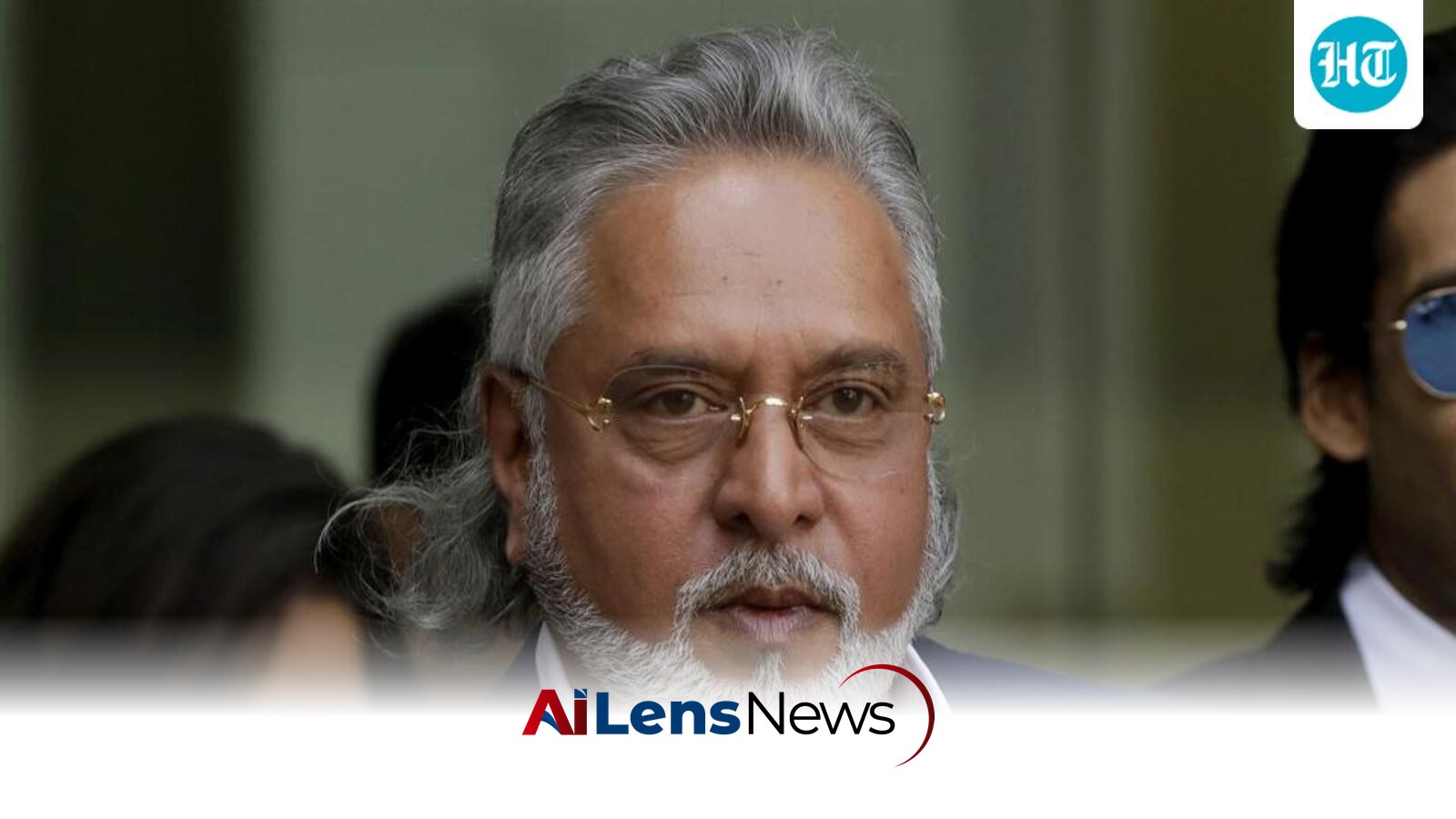



The Bombay High Court has called for the Enforcement Directorate's response to Vijay Mallya's 2020 petition regarding asset seizures, emphasizing the need to resolve the long-standing dispute.
New Delhi, India Aug 13, 2026 ALN: The Bombay High Court's recent observations regarding Vijay Mallya's 2020 plea underscore the complexities surrounding his financial and legal entanglements, which have persisted for several years. This case has become emblematic of broader issues related to financial governance, accountability, and the enforcement of laws against economic offenders in India.
Vijay Mallya, once a prominent businessman and owner of the now-defunct Kingfisher Airlines, has been embroiled in legal battles stemming from allegations of financial misconduct, including loan defaults and money laundering. His 2020 petition contested an order from a special court under the Prevention of Money Laundering Act (PMLA) that permitted a consortium of banks, spearheaded by the State Bank of India (SBI), to utilize assets seized by the Enforcement Directorate (ED) to recover dues owed by Mallya. This legal challenge was set against a backdrop of ongoing settlement discussions, which Mallya's legal team argued made the petition relevant at the time it was filed.
However, during the recent court proceedings, Mallya's lawyer, senior advocate Amit Desai, asserted that the situation had significantly changed over the past six years, rendering the 2020 petition redundant. Desai pointed out that many of the assets initially protected by the petition had already been seized and liquidated, thereby questioning the necessity of continuing legal proceedings based on the original claims. This prompted the Bombay High Court to suggest that the ongoing dispute should be resolved to avoid further detriment to the country's economic relations and overall financial health.
The court's comments reflect a growing sentiment that prolonged legal battles can hinder economic progress and stability. Justice Jadhav, part of the bench presiding over the case, emphasized the need to move forward, indicating that unresolved issues could have broader implications for the financial sector and public trust in the judicial process. This perspective aligns with the need for timely resolutions in cases involving economic offenses, which can often have cascading effects on the economy and investor confidence.
In a related development, the court directed the ED to submit an affidavit clarifying the status of the settlement process. This inquiry aims to ascertain whether the matter has indeed been resolved or if further legal actions are necessary. Importantly, the court made it clear that its focus on the settlement process does not absolve Mallya from criminal prosecution, which must continue until it reaches a definitive conclusion.
Desai's arguments during the hearing included claims that public sector banks had already recovered approximately ₹15,000 crore from Mallya, significantly exceeding the original claimed dues of ₹6,203.35 crore plus interest. This assertion raises questions about the effectiveness of the recovery process and the accountability of the banks involved. Desai criticized the banks for allowing the matter to linger, suggesting that they had already benefited from the liquidation of Mallya's assets and should not prolong the legal proceedings unnecessarily.
The enforcement actions against Mallya began in earnest following his declaration as a fugitive economic offender in January 2019. This designation allowed Indian authorities to pursue his extradition and the confiscation of his assets more aggressively. The ED's decision in February 2019 to permit the liquidation of Mallya's assets was a significant step in the larger effort to recover the debts owed to the consortium of lenders.
Mallya's legal troubles trace back to 2015 when the Central Bureau of Investigation (CBI) initiated an investigation into alleged irregularities in loans taken by Kingfisher Airlines. The allegations included serious charges such as criminal conspiracy and breach of trust, which have compounded the legal challenges he faces. Mallya's departure from India in March 2016 marked a turning point in the case, as he sought refuge in the United Kingdom amidst growing scrutiny and legal pressure.
Since his departure, Mallya has resisted extradition, leveraging various legal avenues to remain in the UK. Following the enactment of the Fugitive Economic Offenders Act in 2018, Indian authorities intensified their efforts to bring him back to face charges. Although UK courts have ruled in favor of his extradition, Mallya has reportedly invoked a "confidential legal matter" to extend his stay, which many speculate to involve an application for political asylum. This situation raises significant questions about international legal cooperation and the challenges faced by countries in prosecuting economic offenders who seek refuge abroad.
The implications of Mallya's case extend beyond his personal legal battles. It highlights the challenges faced by Indian financial institutions in recovering debts from high-profile defaulters and underscores the importance of robust legal frameworks to combat economic crimes. The ongoing proceedings serve as a reminder of the need for effective enforcement mechanisms and the importance of swift judicial processes in maintaining public confidence in the financial system.
As the Bombay High Court continues to deliberate on Mallya's case, the outcome will likely influence not only the future of his legal challenges but also set precedents for similar cases in India. The court's insistence on resolving the matter reflects a broader commitment to ensuring that economic offenses are addressed promptly and effectively, reinforcing the principle that no individual is above the law, regardless of their financial status or influence.
Moreover, the case has drawn attention to the broader implications for India's banking sector and its regulatory framework. The fallout from Mallya's financial mismanagement has raised concerns about the effectiveness of risk assessment and credit evaluation processes within banks. The Kingfisher Airlines fiasco serves as a cautionary tale for financial institutions, highlighting the need for more stringent lending practices and enhanced due diligence to prevent similar occurrences in the future.
In the wake of Mallya's case, the Indian government has also been prompted to reassess its policies regarding economic offenders. The Fugitive Economic Offenders Act was introduced to facilitate the swift recovery of assets from individuals who flee the country to evade legal action. This legislation aims to deter potential offenders by establishing a clear framework for dealing with economic crimes, thereby enhancing the accountability of businesses and individuals within the financial system.
Furthermore, Mallya's case has sparked discussions about the role of corporate governance in India. The Kingfisher Airlines debacle raised questions about the responsibilities of corporate leaders and the ethical considerations surrounding financial decision-making. As public outrage grows over high-profile financial scandals, there is an increasing demand for greater transparency and accountability from corporate executives, as well as stricter regulations to ensure compliance with financial laws.
In conclusion, the ongoing legal proceedings involving Vijay Mallya are not merely a reflection of his individual circumstances but rather a microcosm of the challenges facing India's financial landscape. The Bombay High Court's recent observations underscore the urgency of resolving such cases to restore public confidence in the judicial system and the financial sector. As the court navigates the complexities of this case, its decisions will likely shape the future of economic governance in India, reinforcing the necessity for a robust legal framework that holds individuals accountable for financial misconduct while fostering a stable economic environment.
To learn more about the latest developments in Crime & Law, stay updated with our exclusive reports and analyses on AILensNews.

