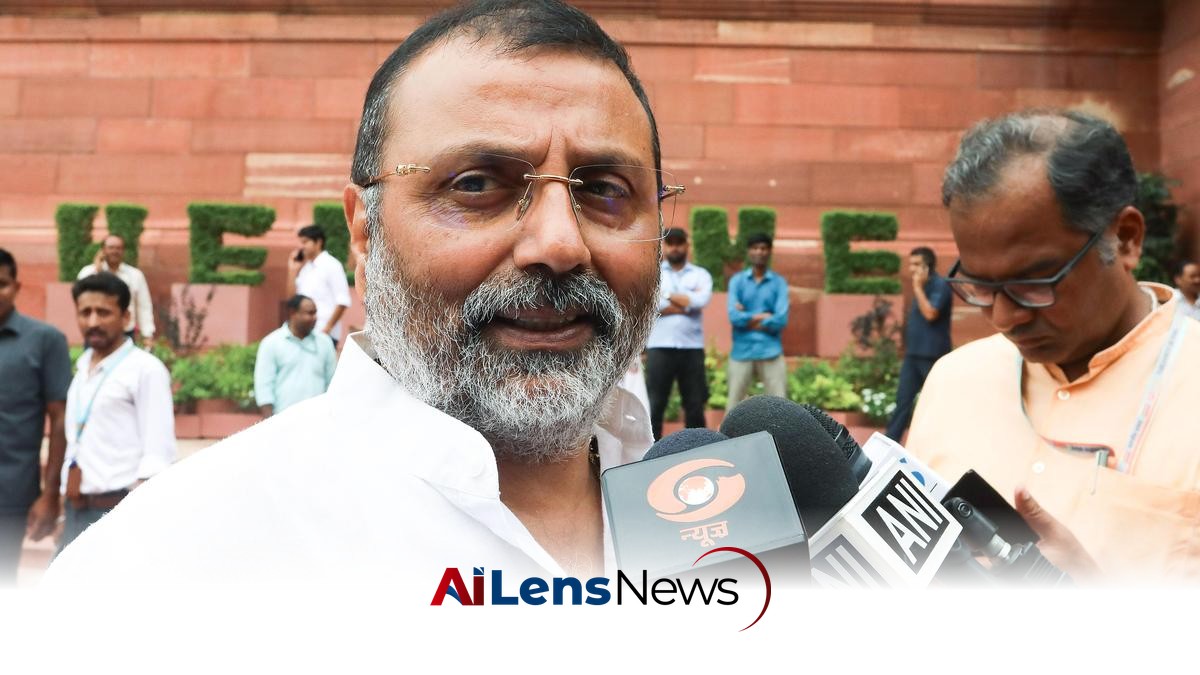


At a recent Parliamentary meeting, BJP MPs demanded an apology from Meta's Mark Zuckerberg regarding the restriction of PM Modi's Facebook post, while the Opposition defended the need for unbiased content moderation.
New Delhi, India Aug 4, 2026 ALN: In a significant parliamentary meeting, members of India’s ruling Bharatiya Janata Party (BJP) and the Opposition clashed over the content moderation practices of Meta, the parent company of Facebook and Instagram. This confrontation took place during a session of the Parliamentary Standing Committee on Communications and Information Technology, which was convened in response to recent student protests that had gained traction on social media platforms. The BJP, led by committee chairperson Nishikant Dubey, demanded an apology from Meta's chief executive officer, Mark Zuckerberg, following an incident in which a post by Prime Minister Narendra Modi was restricted on Facebook. The Opposition, however, countered these demands by asserting that the principles of democracy should not be compromised in the name of regulating technology.
Social media platforms, particularly Instagram, have become integral in facilitating communication and mobilization during protests, allowing individuals to express dissent and organize collective action. The BJP's criticism of certain posts and reels shared by protesters, which they deemed “distasteful,” reflects a broader concern among ruling party members about the narratives being disseminated online. Prime Minister Modi himself echoed these sentiments, indicating a strong governmental interest in how social media content is moderated.
Mr. Dubey's insistence on accountability from Meta was underscored by his request for a comprehensive audit trail regarding the Prime Minister's post. He sought details on the timeline of the post's restriction, including the initial report that led to its removal and the subsequent restoration. His statements suggested a belief that the incident was symptomatic of deeper issues within Meta's content moderation processes, particularly regarding the automated systems and recommendation algorithms that govern what content is visible to users.
The Opposition members, however, pushed back against this line of questioning, emphasizing the necessity for content moderation decisions to remain free from political influence. They articulated concerns regarding Meta's adherence to Indian laws, particularly in terms of privacy, while also arguing that government criticism should not be categorized as anti-content. This tension highlights the ongoing debate in India about the balance between maintaining a democratic discourse and regulating the influence of technology in public life.
Congress MP Shafi Parambil was notably vocal during the discussions, reportedly stating, “Technology should be regulated, not democracy,” a sentiment that encapsulates the Opposition's stance that dissent should not be criminalized or suppressed under the guise of regulatory oversight. This reflects a broader concern among civil society and political entities about the implications of heavy-handed regulation of social media platforms.
Mr. Dubey expressed concerns that the incident involving the Prime Minister's post was part of a larger pattern of behavior by Meta, referencing a previous statement made by Zuckerberg in January, in which he allegedly suggested that PM Modi would lose the 2024 elections. Dubey interpreted this as indicative of a potential bias against the ruling party and an intention to destabilize the Indian political landscape. Such claims raise questions about the role of social media executives in shaping political narratives and their potential influence on electoral outcomes.
Furthermore, Dubey's remarks regarding the removal of the Prime Minister's video raised alarms about the implications of content moderation practices on political stability and public discourse. He noted that Meta had admitted to the content being unavailable for a period of five hours, which he argued could have significant repercussions for public perception and trust in the platform's neutrality.
The committee members engaged in a detailed inquiry into what they characterized as “algorithm bias,” suggesting that Meta's algorithms allowed objectionable content to flourish while simultaneously restricting content from prominent political figures. Meta representatives expressed regret over the incident during the panel discussion, indicating a recognition of the gravity of the situation. However, the Opposition maintained their position that content moderation should be insulated from political pressures, emphasizing the importance of user privacy and compliance with local laws.
Shafi Parambil reiterated the need for a clear distinction between technology regulation and the preservation of democratic values, arguing that dissent must not be treated as a criminal act. This sentiment resonates with a growing apprehension among various stakeholders regarding the potential for state overreach in regulating speech and expression online.
Mr. Dubey outlined two principal demands directed at Meta: an apology from Zuckerberg and the reconsideration of the 'safe harbour' protections afforded to the platform under Section 79 of the Information Technology Act, should the apology not be forthcoming. This section provides immunity to intermediaries from liability for third-party content, a provision that has been a cornerstone of internet regulation in India. The implications of revoking such protections could be profound, potentially altering the operational landscape for social media companies in the country.
Additionally, Dubey called for clarification on the legal classification of social media platforms, questioning whether they should be treated as publishers or as intermediaries. This distinction is crucial, as it influences the regulatory framework applicable to these platforms and their responsibilities regarding content moderation and user-generated content.
The meeting included representatives from various major tech companies, including Meta, Google, X (formerly known as Twitter), YouTube, and Snapchat, alongside senior government officials. This diverse representation underscores the significance of the discussions surrounding the regulation of social and digital platforms in India. The meeting followed the Ministry of Electronics and Information Technology summoning Meta’s global team to address the temporary restriction of PM Modi’s Facebook post, indicating the government's proactive stance in addressing perceived biases in content moderation.
As the debate surrounding content moderation practices continues, it raises broader questions about the role of technology in democratic societies, the responsibilities of social media platforms, and the need for regulatory frameworks that protect both freedom of expression and public safety. The implications of this parliamentary meeting may reverberate beyond India, influencing global conversations about the intersection of technology, politics, and civil liberties.
To learn more about the latest developments in Crime & Law, stay updated with our exclusive reports and analyses on AiLensNews.

