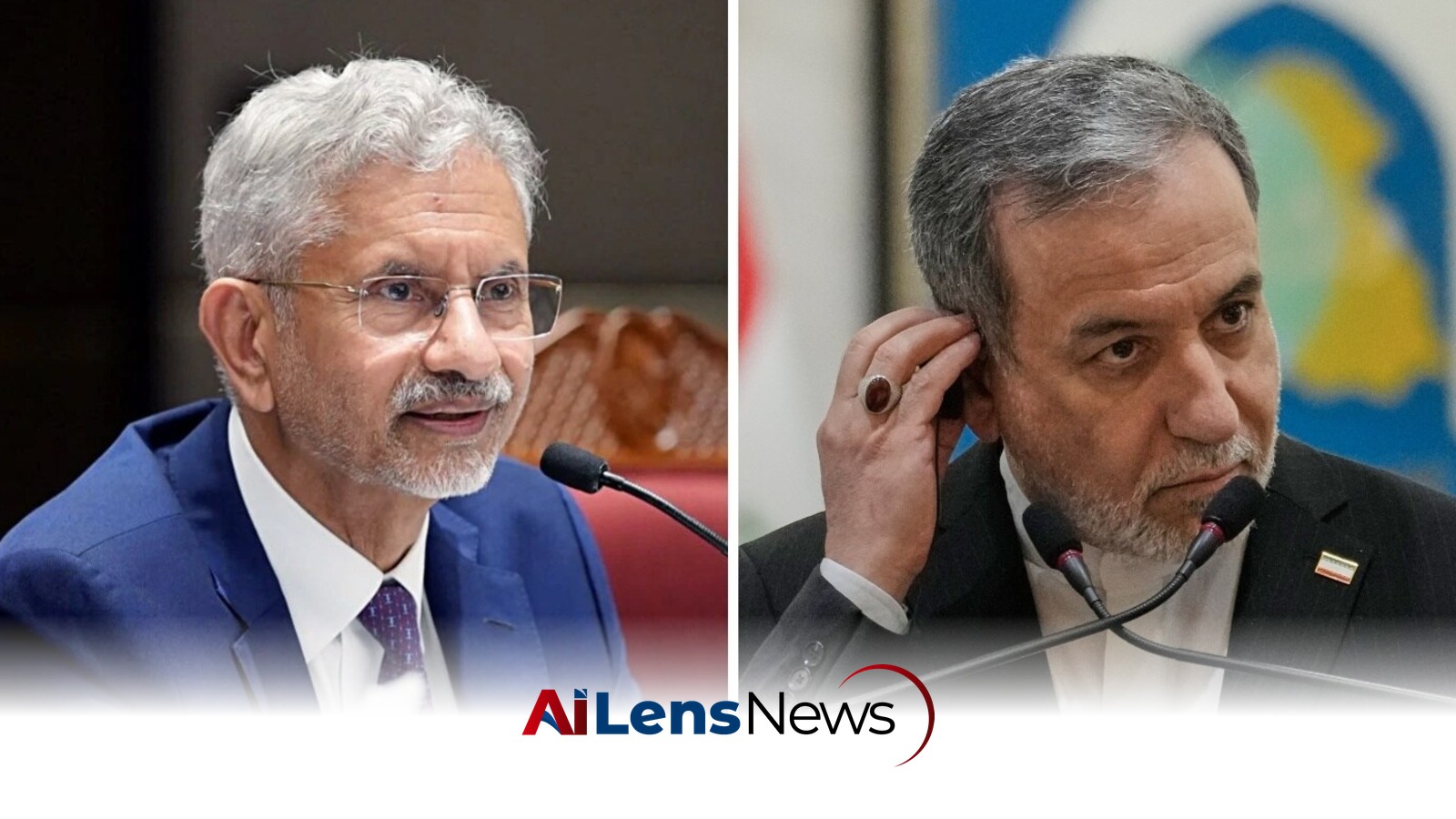


External Affairs Minister S. Jaishankar conveyed India's deep concerns over regional hostilities and urged Iran to avoid targeting commercial shipping during a call with FM Abbas Araghchi.
New Delhi, India Aug 1, 2026 ALN: External Affairs Minister S. Jaishankar on Friday expressed India's "deep concerns" regarding ongoing hostilities in the region during a conversation with Iranian Foreign Minister Abbas Araghchi. He emphasized the importance of ensuring that commercial shipping and seafarers are not targeted under any circumstances. This statement comes against the backdrop of heightened tensions in the Middle East, particularly in maritime zones where international shipping lanes are critical for global trade.
In a post on X, Jaishankar detailed his telephonic discussion with Araghchi, reiterating India's strong opposition to attacks on merchant vessels and their crews. "Had a tele-conversation with FM [Araghchi] of Iran this evening. Conveyed our deep concerns at the ongoing hostilities in the region," he stated. The focus on maritime security highlights the strategic importance of the Strait of Hormuz, which is a vital conduit for oil and gas shipments from the Gulf nations to the rest of the world. Approximately 20% of the world's oil supply passes through this narrow waterway, making it a focal point for geopolitical tensions.
Jaishankar further urged, "Strongly urged that attacks on commercial shipping and seafarers be avoided under any circumstance. India condemns any such attack by any party." This call comes amidst escalating tensions in West Asia, particularly affecting maritime security. The region has been marked by a series of confrontations involving various state and non-state actors, complicating the already fragile security landscape. The Indian government’s insistence on protecting commercial shipping underscores its commitment to safeguarding its nationals and economic interests abroad.
During the conversation, Jaishankar was briefed by Araghchi on Iran's perspective regarding the evolving situation and the discussions currently underway. "Was apprised of Iran's perspective of current developments and discussions underway. India is always supportive of dialogue and diplomacy," he added. This emphasis on dialogue reflects India's broader foreign policy approach, which seeks to balance its relationships with various countries in the region, including Iran, while also addressing security concerns.
Earlier this month, an Indian sailor was killed, and six other Indian nationals were injured when two Emirati oil tankers were struck by Iranian missiles in the Strait of Hormuz. The vessels, Mombasa and Al Bahiyah, were navigating the southern shipping lane within Omani territorial waters when they were attacked, resulting in fires that were later controlled. This incident not only raised alarm bells in India but also drew international condemnation, as it highlighted the vulnerabilities of commercial shipping in a region fraught with conflict.
This incident prompted the Indian Ministry of External Affairs to summon Iran's deputy chief of mission, Mohammad Javad Hosseini, to lodge a strong protest. The attack occurred just two days after another Iranian strike on the Cyprus-flagged container ship GFS Galaxy, which left one Indian crew member missing while ten others were rescued. Such incidents have raised significant concerns about the safety of Indian nationals working in the maritime sector, as well as the potential for broader regional instability.
India condemned these attacks on commercial shipping, labeling them as "deeply worrisome," and called for an immediate de-escalation of tensions through dialogue and diplomacy. The Indian government has consistently advocated for peaceful resolutions to conflicts in the region, emphasizing that military actions should not undermine the safety of civilians and commercial interests.
In light of the ongoing conflict, the Indian government has facilitated the return of 2,557 Indian nationals from Iran since the outbreak of hostilities in February. Minister of State for External Affairs Kirti Vardhan Singh informed Parliament that the Indian embassy in Tehran has assisted these nationals in crossing into Armenia and Azerbaijan for their onward travel to India. This logistical support underscores the Indian government's commitment to ensuring the safety and well-being of its citizens abroad, particularly in conflict zones.
Singh stated, "Since the onset of hostilities in West Asia in February 2026, the Indian embassy in Tehran has facilitated the cross-border movement of 2,557 Indian nationals from Iran to Armenia and Azerbaijan for their onward travel to India." The ongoing conflict has had a profound impact on many Indians living in Iran, particularly students who may have been pursuing education or vocational training in various fields. The government’s proactive measures reflect its recognition of the challenges faced by Indian nationals in unstable environments.
The conflict, which began after Israel and the US bombed Iran in February, has led to thousands of Indians, primarily students, needing to leave the country. The government estimates that around 7,000 Indian nationals remain in Iran, including seminary students, medical students, workers, seafarers, and fishermen. This demographic diversity highlights the complex ties between India and Iran, with many Indians having established lives and careers in the country.
Singh also mentioned that the government has raised concerns with Tehran regarding the issues faced by Indian medical students whose education has been disrupted by the crisis. The latest advisory issued on July 19 urged Indians in Iran to consider temporarily leaving the country through available commercial flights and advised those planning to travel to Iran to postpone their visit until the situation improves. This advisory underscores the Indian government’s efforts to prioritize the safety of its citizens while also navigating the diplomatic complexities of the region.
In conclusion, the current situation in West Asia, particularly in relation to maritime security and the safety of Indian nationals, remains a pressing concern for the Indian government. The ongoing dialogues between Indian and Iranian officials reflect a commitment to addressing these issues through diplomatic channels. As tensions continue to escalate, the international community will be watching closely, particularly in terms of how these developments may impact global trade and regional stability.
To learn more about the latest developments in Politics, stay updated with our exclusive reports and analyses on AiLensNews.

