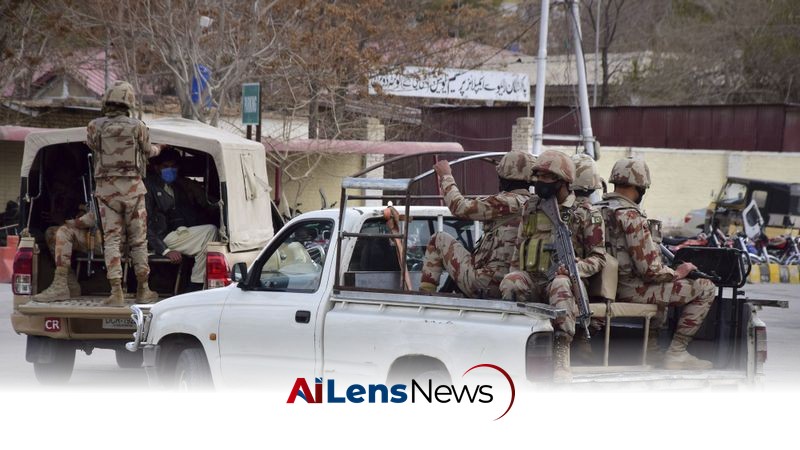


A joint police checkpost in Khyber Pakhtunkhwa, Pakistan, was attacked, resulting in the deaths of at least 15 personnel, including 12 soldiers.
New Delhi, India Jul 24, 2026 ALN: In a tragic incident in Pakistan's northwestern Khyber Pakhtunkhwa province, at least 15 personnel, including 12 soldiers, were killed during an attack on a joint police checkpost. The military's media wing reported the attack on Friday, highlighting the ongoing security challenges in the region. This incident is particularly concerning given the historical context of violence in Khyber Pakhtunkhwa, which has been a battleground for various militant groups for decades.
The attack underscores the persistent threat posed by militant groups in Khyber Pakhtunkhwa, a province that has seen a resurgence of violence in recent months. Authorities have been grappling with various security issues, including attacks on law enforcement agencies and military personnel. The recent spike in violence has raised concerns about the effectiveness of counter-terrorism strategies implemented by the government and military. The situation reflects a broader pattern of instability that has plagued the region, impacting not only security forces but also the civilian population.
According to initial reports, the assailants launched a coordinated assault on the checkpost, which was manned by both police and military personnel. Eyewitness accounts suggest that the attackers were heavily armed and executed the attack with precision, leading to significant casualties. The use of sophisticated weaponry and tactics indicates a level of planning and organization among the attackers, which is alarming for local security forces. The attack's timing and execution suggest that the militants may have conducted reconnaissance beforehand, allowing them to strike at a moment of vulnerability.
In the aftermath of the attack, security forces have ramped up operations in the area to track down the perpetrators. Local officials have condemned the violence and expressed their condolences to the families of the victims. The provincial government is expected to hold an emergency meeting to discuss the security situation and formulate a response strategy. This incident may prompt a reevaluation of existing security protocols at checkposts and other vulnerable locations. Authorities may also consider implementing more stringent measures to enhance the safety of personnel stationed at these critical points.
Khyber Pakhtunkhwa has been a hotspot for militant activity, particularly from groups that have historically targeted security forces. The province shares a border with Afghanistan, which has contributed to the spillover of violence and the movement of militants across the border. The porous nature of the border facilitates the smuggling of arms and the movement of militants, complicating efforts to maintain security in the area. The region's geographical and political landscape has made it a strategic location for various militant organizations seeking to exploit local grievances and instability.
In recent years, the Pakistani military has conducted numerous operations aimed at dismantling militant networks in the region. Operations such as Zarb-e-Azb and Radd-ul-Fasaad were launched with the goal of eradicating terrorism and restoring peace. However, the resurgence of violence indicates that these efforts face ongoing challenges. Many militant groups have adapted to military strategies, leading to a cycle of violence that is difficult to break. The military's focus on high-profile operations may not be sufficient to address the underlying issues that fuel militancy, such as poverty, unemployment, and lack of education.
The attack has sparked outrage among the local population, many of whom are calling for stronger measures to ensure the safety of security personnel and civilians alike. Social media platforms have been flooded with messages of support for the victims' families and calls for justice. Activists and community leaders are demanding a more robust response from the government, including increased funding for security forces and enhanced community policing initiatives. The public's frustration reflects a growing sentiment that the government must take decisive action to protect its citizens and restore a sense of security.
As the investigation continues, the government faces mounting pressure to address the underlying issues contributing to the violence in Khyber Pakhtunkhwa. The public is demanding accountability and effective measures to protect those who serve to maintain law and order in the region. This incident may also reignite debates about the role of local governance in security matters and the need for greater community involvement in counter-terrorism efforts. Engaging local communities in dialogue and addressing their concerns could be pivotal in rebuilding trust between the populace and security forces.
The attack on the police checkpost not only highlights the immediate security challenges in Khyber Pakhtunkhwa but also has broader implications for regional stability. The rise in violence could lead to increased military operations, which might exacerbate tensions within local communities. There is a delicate balance to be maintained between military action and community trust, as heavy-handed tactics can alienate the very population that security forces aim to protect. A heavy military presence may also lead to resentment and further radicalization among local youth, creating a vicious cycle of violence.
Furthermore, the resurgence of militant activity in Khyber Pakhtunkhwa raises concerns about the potential for similar attacks in other parts of Pakistan. The possibility of spillover effects into neighboring provinces or urban centers cannot be overlooked. Policymakers must consider comprehensive strategies that address not only immediate security needs but also long-term socio-economic factors that contribute to militancy. Initiatives aimed at improving education, healthcare, and job opportunities could play a crucial role in countering the allure of extremist ideologies.
This tragic event highlights the precarious security situation in Khyber Pakhtunkhwa and the need for comprehensive strategies to combat militancy and ensure the safety of both security forces and civilians. As the government and military strategize their next steps, the focus must also include community engagement and addressing the root causes of violence. Only through a multifaceted approach can the cycle of violence be broken, paving the way for lasting peace and stability in the region. The path forward will require collaboration between government entities, security forces, and local communities to foster an environment where safety and security can be restored and maintained.
To learn more about the latest developments in Crime & Law, stay updated with our exclusive reports and analyses on AiLensNews.

