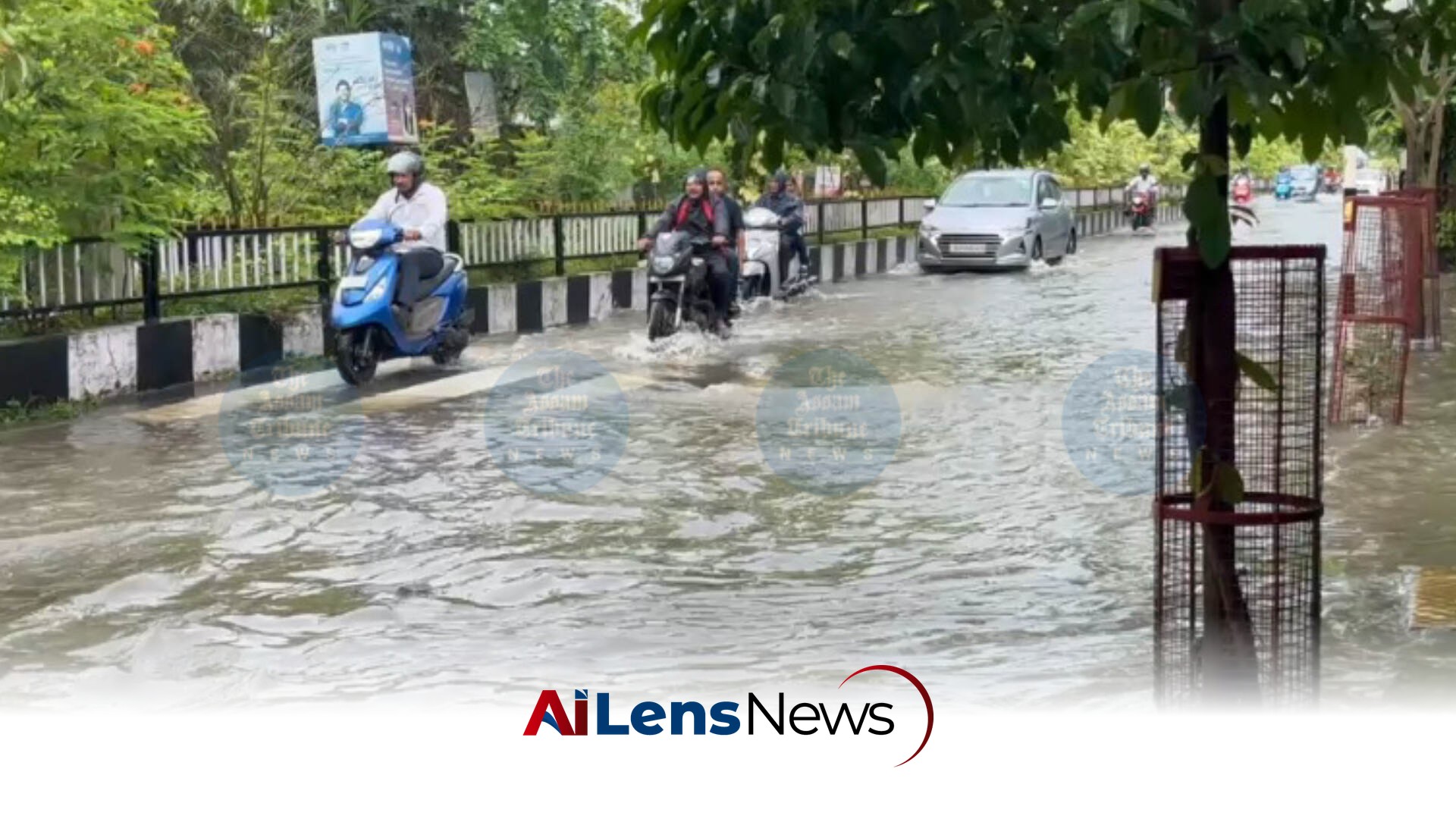


Recent heavy rains have submerged key areas in Jorhat, raising concerns over the town's drainage system and its ability to handle flooding.
Dispur, India Jul 19, 2026 ALN: A few spells of rain left several key areas of Jorhat town submerged under artificial floodwaters on Sunday, disrupting normal life and causing widespread hardship for residents. The recent weather events have highlighted the ongoing struggle of the town's infrastructure to manage rainfall, leading to significant concerns about urban planning and public safety.
Among the worst-hit localities were Tarun Phukan Road, Tarajan, Choladhara, A.T. Road, Sonali Jayanti Nagar, Bongalpukhuri, Rajamaidam New Colony and several other parts of the town. These areas, known for their residential and commercial significance, have faced similar issues in the past, but the extent of the flooding this time has raised alarm bells among locals.
Waterlogging also inundated the Jorhat Home Guards office, the NCC office, and several government and private establishments. The impact on public services and transportation cannot be understated; traffic movement was severely affected, leaving commuters stranded on waterlogged roads. The situation has forced many residents to seek alternative routes, often leading to longer travel times and increased frustration.
"It is saddening that just one spell of rain exposes the state of development in Jorhat. Many roads get submerged after only a few spells of rain, and this happens every time," a local resident said. This sentiment reflects a broader dissatisfaction among the populace regarding the town's preparedness for seasonal rains, which are expected in this region.
Critics of the current drainage system have pointed out that the town's drainage network has not been scientifically designed. Residents argue that the roads are lower than they should be, and the drainage system is not scientifically planned. This leads to severe waterlogging and causes immense hardship for people. The implications of inadequate drainage systems extend beyond mere inconvenience; they pose risks to public health, property, and local economies, particularly in a town that relies on stable infrastructure for its growth.
Artificial flooding has steadily worsened in Jorhat over the years. Compared to previous monsoons, more localities are now witnessing severe waterlogging even after moderate rainfall. This trend indicates a potential failure in urban management and highlights the urgent need for a comprehensive review of the town’s infrastructure. Residents blame the deteriorating situation primarily on the absence of a well-planned and efficient drainage system, which they say has allowed the problem to escalate over time.
Several of the affected localities have been grappling with artificial flooding for years. However, residents say the problem has now spread to many more parts of the town. This expansion of the flooding issue raises critical questions about urban development policies and the allocation of resources for infrastructure improvements.
Although the Jorhat Municipal Board had announced several projects to tackle the issue, allegations of irregularities and corruption in their implementation have raised questions about the effectiveness of those initiatives. The lack of transparency in how funds are utilized for public works projects can diminish public trust and hinder collaborative efforts to resolve these ongoing challenges.
The Municipal Board had also undertaken a major drain-cleaning drive using a super sucker machine, reportedly spending more than Rs 27 lakh from the public exchequer. While the intention behind such initiatives may be to address the immediate concerns of flooding, the effectiveness of these measures is under scrutiny. Senior Advocate Rintu Goswami had, around 20 days ago, alleged that the problem had persisted for several days despite repeated complaints to municipal authorities and other officials.
He claimed the civic body had deployed a super sucker machine and projected that the drains had been cleaned, but alleged the exercise was merely cosmetic. This raises concerns about the actual state of the drainage system and whether the measures taken are sufficient to combat the underlying issues of urban flooding.
"More than Rs 27 lakh was spent by the municipal authorities, yet many people appear to be involved in this corruption. They are making huge amounts of money while the general public continues to suffer from flooding," he had said. This statement underscores a growing frustration among residents who feel that their needs are not being adequately addressed by those in power.
Despite the expenditure, residents say the town continues to suffer from recurring artificial flooding every monsoon, with little visible improvement. Many now fear Jorhat could be heading towards the kind of urban flooding crisis that has become synonymous with Guwahati. The comparison to Guwahati, which has faced severe urban flooding challenges in recent years, serves as a cautionary tale for Jorhat. If proactive measures are not taken, the consequences could be dire, affecting the quality of life, economic stability, and overall safety of the residents.
In response to the ongoing crisis, community leaders and local activists are calling for a more sustainable approach to urban planning that includes input from residents and experts alike. They advocate for a comprehensive assessment of the drainage system and the implementation of long-term solutions that address the root causes of flooding, rather than temporary fixes that fail to provide lasting relief.
As discussions continue regarding the future of urban infrastructure in Jorhat, it is imperative that local authorities prioritize transparency and accountability in their initiatives. Engaging the community in dialogue about their needs and concerns could foster a sense of ownership and responsibility, ultimately leading to a more resilient and prepared town.
In conclusion, the recent flooding in Jorhat serves as a stark reminder of the challenges faced by urban areas in managing natural resources and infrastructure. As climate change continues to impact weather patterns, towns like Jorhat must adapt and innovate to ensure the safety and well-being of their residents. The situation calls for immediate attention and action from both local authorities and the community to prevent further deterioration and to work towards a more sustainable future.
To learn more about the latest developments in Local & Regional, stay updated with our exclusive reports and analyses on AiLensNews.

