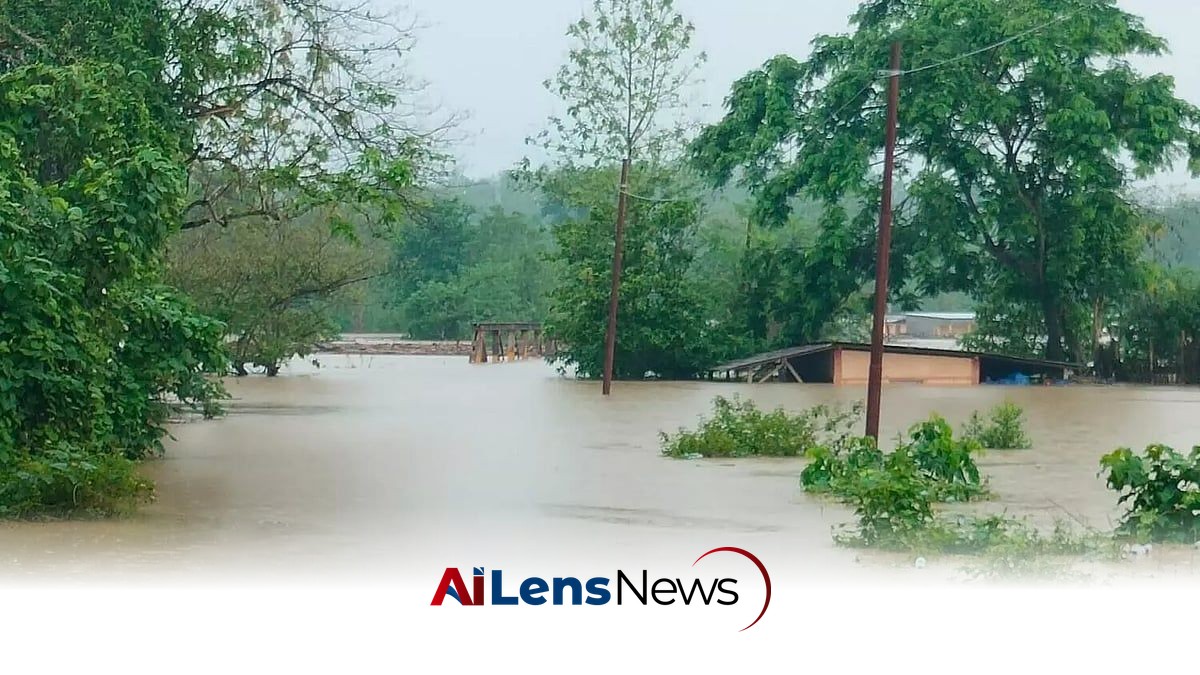


The Dibrugarh Irrigation Department organized a relief mission to assist families affected by floods in Sivasagar, supported by local associations.
Dispur, India Jul 31, 2026 ALN: The Irrigation Department, under the aegis of the Dibrugarh Circle (Irrigation), Dibrugarh, organised a flood relief mission on Wednesday to support families affected by the devastating floods in Sivasagar district. This initiative highlights the ongoing challenges faced by communities in Assam, particularly during the monsoon season when heavy rainfall often leads to severe flooding.
Flooding in Assam is a recurring issue, exacerbated by a combination of geographic, climatic, and infrastructural factors. The Brahmaputra River, which flows through the state, is known for its unpredictable and often violent seasonal flooding. The floods can cause significant damage to homes, infrastructure, and agricultural land, leading to extensive displacement and loss of livelihood for many families. In recent years, the state has experienced an increase in the frequency and intensity of these floods, prompting urgent responses from both government and non-governmental organizations.
The relief initiative was made possible through the generous contributions of the Assam Engineering Service Association (AESA) and employees from various Irrigation Circles across Assam. The involvement of local organizations and community members is crucial in these relief efforts, as they often have a better understanding of the specific needs of the affected populations. The collaboration between the Irrigation Department and the AESA reflects a community-focused approach to disaster management, emphasizing the importance of local support in addressing the immediate needs of flood victims.
The mission was led by Ramen Chetia and Rituporno Borgohain, under the guidance of the Executive Engineers of the Dibrugarh-Chabua-Lahowal Division (Irrigation) and the Naharkatia-Duliajan Division (Irrigation). Leadership from experienced engineers not only ensures that the distribution of relief materials is conducted efficiently but also that the mission adheres to safety protocols, especially in the aftermath of flooding where conditions can be treacherous.
The relief convoy commenced its journey at 7:00 am from the premises of the Dibrugarh-Chabua-Lahowal Division (Irrigation), carrying a wide range of essential relief materials. These materials typically include food supplies, clean drinking water, clothing, and hygiene products, all of which are critical in the immediate aftermath of flooding when access to basic necessities is severely compromised.
The first phase of the distribution was carried out at Dilihi Gohain Gaon in Sivasagar district, where nearly 50 to 60 flood-affected families received relief materials. This area, like many others in Sivasagar, has faced significant challenges due to the floods, with reports of homes being submerged and crops destroyed. The distribution of relief materials not only provides immediate assistance but also serves as a morale booster for the affected families, showing them that they are not alone in their struggle.
Following the distribution at Dilihi Gohain Gaon, the team subsequently proceeded to Banmukh Gohain Gaon before concluding the day’s mission at the severely affected Nimaijan area. Each of these locations has its unique challenges and needs, which the relief team has had to assess rapidly. The conditions in these areas can vary greatly, with some communities being more isolated than others, making access a significant challenge for relief efforts.
The implications of such relief missions extend beyond immediate assistance. They underscore the importance of preparedness and response strategies in dealing with natural disasters. The recurring nature of flooding in Assam necessitates a comprehensive approach that includes not only immediate relief but also long-term rehabilitation and reconstruction efforts. This includes building better infrastructure to withstand flooding, improving drainage systems, and developing community awareness programs about disaster preparedness.
Furthermore, the success of this relief mission can inspire similar initiatives in other flood-affected areas, encouraging local governments and organizations to collaborate in times of crisis. The collective effort to support those in need fosters a sense of community and resilience, which is vital in the face of recurring natural disasters.
The Assam state government has been actively working to address the challenges posed by flooding through various initiatives aimed at improving flood management and disaster response. This includes the construction of embankments, river dredging, and the establishment of early warning systems to alert communities about impending floods. However, despite these efforts, the challenges remain significant due to the unpredictable nature of monsoon rains and the geographical vulnerability of many regions in Assam.
In addition to government efforts, numerous non-governmental organizations (NGOs) play a crucial role in providing relief and rehabilitation support during and after floods. These organizations often bring specialized knowledge and resources to the table, working alongside government agencies to ensure a more comprehensive response to the crisis. Their work includes not only the immediate distribution of relief supplies but also longer-term initiatives aimed at rebuilding communities and restoring livelihoods.
As the monsoon season continues, it is crucial for both government and non-governmental organizations to remain vigilant and prepared to respond to the needs of affected communities. The challenges posed by climate change, including increased rainfall and rising sea levels, make it imperative to develop sustainable strategies for disaster management and community resilience.
In conclusion, the flood relief mission organized by the Dibrugarh Irrigation Department serves as a vital response to the pressing needs of families affected by floods in Sivasagar district. It highlights the importance of community involvement, efficient leadership, and the need for ongoing support and preparedness in the face of natural disasters. The collaborative efforts of various stakeholders not only provide immediate relief but also pave the way for more resilient communities in the future. Moreover, it is a reminder of the collective responsibility to enhance disaster preparedness and response mechanisms to mitigate the impact of such calamities on vulnerable populations.
To learn more about the latest developments in Crime & Law, stay updated with our exclusive reports and analyses on AiLensNews.

