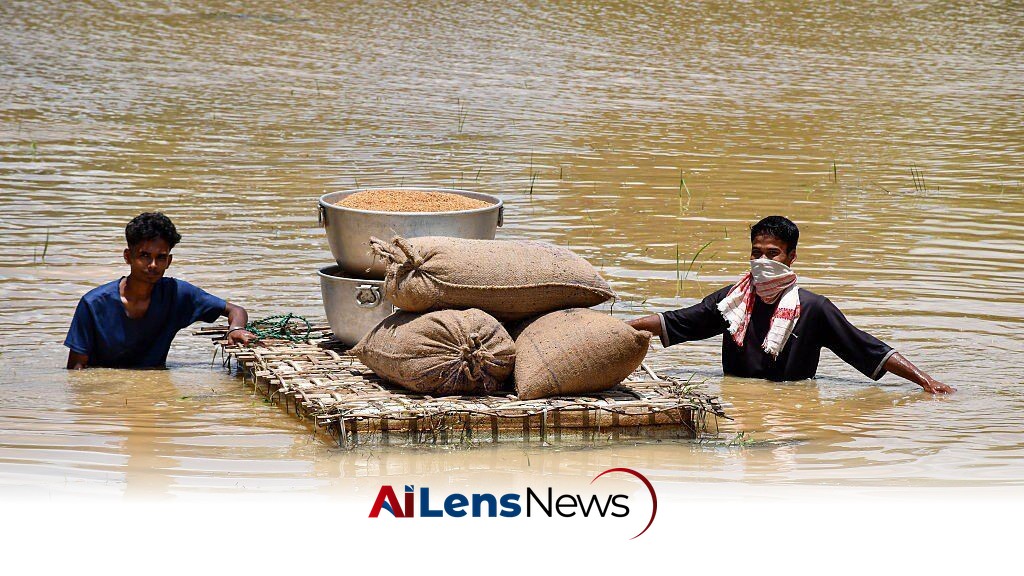


Prime Minister Modi assures Assam Chief Minister Sarma of full support for flood relief and rehabilitation as the state faces severe challenges.
Dispur, India Jul 25, 2026 ALN: The Centre has accorded the highest priority to the devastating floods in Upper Assam and assured every possible support for relief, rehabilitation, and rebuilding efforts. The floods, which have wreaked havoc across the region, have raised significant concerns regarding the safety and well-being of the affected populations, as well as the long-term implications for the state's infrastructure and economy.
Sharing details of a telephonic conversation with Prime Minister Narendra Modi, Chief Minister Himanta Biswa Sarma, on Saturday, said the Prime Minister had called to take stock of the prevailing flood situation. The Prime Minister's proactive approach is indicative of the government's commitment to addressing natural disasters, which have become increasingly frequent due to climate change and other environmental factors.
"Expressing his deep condolences over the loss of lives and property, the Hon'ble Prime Minister assured the people of Assam that this calamity is being accorded the highest priority and that the Government of India will extend every possible support for our relief, rehabilitation, and rebuilding efforts," Sarma said in a social media post. Such assurances from national leaders are crucial in fostering a sense of solidarity and support for the affected communities, who often feel isolated during such crises.
The Chief Minister elaborated on the measures being undertaken by the state government and the ongoing efforts to reach every affected family. The state's response to the floods typically involves a multi-faceted approach, including the deployment of rescue teams, distribution of relief materials, and coordination with various non-governmental organizations (NGOs) to ensure that aid reaches those in need.
"He sought an update on the extent of the devastation, the ongoing relief operations, and the challenges we are confronting on the ground," the post added. This inquiry reflects the Prime Minister's desire to understand the ground realities, which is essential for effective decision-making and resource allocation in times of crisis.
The development comes ahead of the visit of an inter-ministerial Central team, scheduled to arrive in Assam on Saturday to assess the extent of the devastation and evaluate the state's requirement for Central assistance for relief, rehabilitation, and reconstruction. This team plays a vital role in determining the magnitude of the disaster and the necessary financial and logistical support needed from the federal government.
Earlier, Sarma had said the team's assessment would help the Centre determine the scale of support required for rebuilding efforts once the immediate relief phase is over. This phase is critical, as it lays the groundwork for long-term recovery and resilience against future disasters. Effective rebuilding efforts not only restore infrastructure but also revitalize local economies and communities.
According to the Assam State Disaster Management Authority's daily flood bulletin issued on Friday night, 856 villages remain inundated, while 14 more people lost their lives in the previous 24 hours. The rising death toll is a stark reminder of the human cost of natural disasters, often exacerbated by inadequate preparedness and response mechanisms.
Despite extensive rescue and relief operations, Sarma on Friday acknowledged that a significant number of flood-affected people remain beyond the reach of aid agencies. This highlights the challenges faced by rescue teams, particularly in remote or hard-to-access areas where infrastructure may be severely damaged or completely destroyed.
Addressing a press conference, he said relief materials are yet to reach around 80,000 people, primarily in the worst-hit areas of Sivasagar district, including Nazira. The mention of specific localities underscores the need for targeted interventions that can effectively address the unique challenges faced by different communities.
"In Nazira Assembly constituency alone, around 50,000 people remain beyond the reach of relief teams, while nearly 30,000 people in Sivasagar are still inaccessible," he said, adding that although floodwaters have started receding in many areas, thick layers of silt and mud have left several localities effectively cut off from relief networks. The aftermath of floods often involves not just water damage but also significant debris and silt, which can complicate rescue efforts and delay recovery.
The situation in Assam is emblematic of a broader trend seen across various regions in India, where monsoon floods have become a recurring challenge. The frequency and intensity of such events have raised questions about the effectiveness of current disaster management strategies and the need for improved infrastructure to withstand natural calamities.
Additionally, the socio-economic implications of the floods are profound. Many families have lost their homes, livelihoods, and access to essential services, which can lead to long-term displacement and poverty. The psychological impact of such disasters on communities cannot be underestimated, as they often leave lasting scars on the affected populations.
In light of these challenges, the government is also expected to focus on sustainable rebuilding practices that not only restore the affected areas but also enhance their resilience to future disasters. This may involve investing in better drainage systems, flood barriers, and community education programs on disaster preparedness.
As the situation continues to evolve, the commitment of both state and central governments will be crucial in ensuring that affected communities receive the support they need to recover and rebuild their lives. The collaborative efforts between various levels of government, NGOs, and local communities will play a significant role in shaping the recovery process in Assam.
In conclusion, the floods in Upper Assam serve as a critical reminder of the vulnerabilities faced by many regions in the face of climate change and natural disasters. The response from the Centre, led by Prime Minister Modi, highlights the importance of a coordinated and comprehensive approach to disaster management that prioritizes the needs of affected populations and seeks to build a more resilient future.
To learn more about the latest developments in Health & Public Safety, stay updated with our exclusive reports and analyses on AiLensNews.

