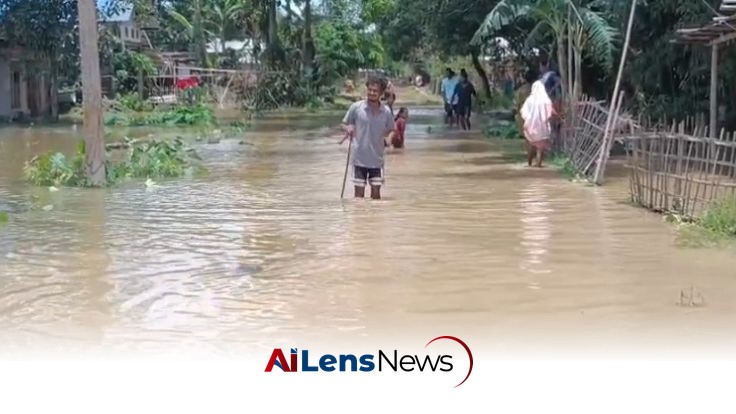


The Asam Sahitya Sabha calls for Prime Minister Modi's visit to flood-affected districts in Upper Assam, highlighting the need for national recognition of the crisis.
New Delhi, India Jul 31, 2026 ALN: Jorhat/Sivasagar, July 31: Amid the severe flood situation in Upper Assam, demands for Prime Minister Narendra Modi's visit to the affected areas have begun to gather momentum. The Asam Sahitya Sabha, a prominent literary and cultural organization in Assam, has taken the initiative to formally urge the Prime Minister to visit the flood-ravaged districts, where thousands of families continue to endure hardships caused by the devastating deluge.
The floods in Assam are not an uncommon occurrence; they are part of a recurring natural disaster cycle that has plagued the region for decades. The Brahmaputra River, which flows through Assam, often swells during the monsoon season, resulting in widespread flooding that disrupts lives and livelihoods. The situation has been exacerbated by climate change, which has led to unpredictable weather patterns and increased rainfall intensity, further complicating the already vulnerable ecological balance of the region.
The State's premier literary body has also appealed to the Prime Minister to declare Assam's recurring floods a national calamity. The Sabha has highlighted the severity of the situation, noting that more than 75 bodies have been recovered while over 100 people remain missing. This staggering loss of life underscores the urgent need for comprehensive disaster management and relief measures.
In a letter addressed to the Prime Minister, Sabha president Dr. Basanta Kumar Goswami wrote, "Your personal visit to the affected districts would serve as a powerful expression of the nation's solidarity with the people of Assam." The significance of such a visit cannot be understated; it would not only bring national attention to the plight of the flood victims but also symbolize a commitment from the highest levels of government to address the challenges faced by the region. The letter emphasized that the Prime Minister's presence would inspire confidence among flood victims, assuring them that their suffering has been acknowledged at the highest level while strengthening the ongoing relief, rehabilitation, and long-term flood management efforts of both the Central and State governments.
The Asam Sahitya Sabha's appeal is rooted in a deep sense of cultural and historical connection to the land and its people. Assam, known for its rich biodiversity and cultural heritage, has faced the brunt of natural disasters that threaten its unique identity. The letter articulated the emotional and psychological toll of the floods, stating, "At this difficult juncture, your compassionate presence among the flood-hit people would provide immense moral strength and reinforce the spirit of national unity and collective resilience." This sentiment resonates with many in the region who feel isolated and neglected during times of crisis.
Highlighting the recurring flood crisis in the State, the Sabha stated that the annual deluge continues to inflict immense hardship, destroying homes, agricultural land, schools, public infrastructure, and cultural heritage. The impact of flooding is multifaceted; it not only displaces families but also disrupts education and economic activities, leading to long-term repercussions for the affected communities. The destruction of agricultural land is particularly concerning, as agriculture is the backbone of Assam's economy, employing a significant portion of the population.
The letter concluded with an appeal to the Prime Minister to visit the flood-affected areas at the earliest, emphasizing the urgent need for a coordinated response to the crisis. In recent years, the government has implemented various measures to mitigate the impact of floods, including the construction of embankments and improved drainage systems. However, the effectiveness of these measures is often called into question, especially in light of the recurring nature of the floods.
Over the past few days, the Asam Sahitya Sabha has also been actively involved in distributing relief materials to flood-affected people in Golaghat, Jorhat, Sivasagar, and Charaideo districts. This grassroots effort highlights the role of local organizations in addressing immediate needs during disasters, often filling gaps left by governmental responses. The distribution of food, clothing, and medical supplies is crucial in alleviating the suffering of those displaced by the floods.
Meanwhile, Sivasagar MLA Akhil Gogoi, addressing a press conference on Thursday, criticized Prime Minister Modi and Union Home Minister Amit Shah for not visiting Upper Assam during the devastating floods. His remarks reflect a growing sentiment among local leaders and citizens who feel that the central government has been slow to respond to the needs of the region. He also demanded that the Centre declare the floods a national disaster, alleging that despite more than 100 deaths in Sivasagar, Charaideo, and Jorhat districts, no such declaration had been made. This lack of a national disaster declaration complicates the allocation of resources and support for recovery efforts, as it limits the scope of federal assistance available to affected states.
The call for a national disaster declaration is significant, as it would enable the mobilization of additional resources and facilitate a more robust response to the crisis. It would also bring national attention to the systemic issues that contribute to the vulnerability of the region, including inadequate infrastructure and the need for comprehensive disaster preparedness plans.
As the situation in Upper Assam continues to unfold, the response from both local and national leaders will be critical in shaping the recovery process. The need for a unified approach to disaster management that includes local voices and expertise is essential for building resilience against future floods. The ongoing dialogue between the Asam Sahitya Sabha, local leaders, and the central government will play a pivotal role in addressing the immediate needs of flood-affected communities while also laying the groundwork for long-term solutions to the challenges posed by climate change and natural disasters.
In conclusion, the floods in Assam serve as a stark reminder of the vulnerabilities faced by communities in the region. The urgent plea from the Asam Sahitya Sabha for Prime Minister Modi's visit highlights the need for empathy and a coordinated response to the crisis. As the people of Upper Assam navigate the aftermath of this disaster, their resilience and the support of both local and national leaders will be crucial in rebuilding their lives and communities.
To learn more about the latest developments in Crime & Law, stay updated with our exclusive reports and analyses on AiLensNews.

