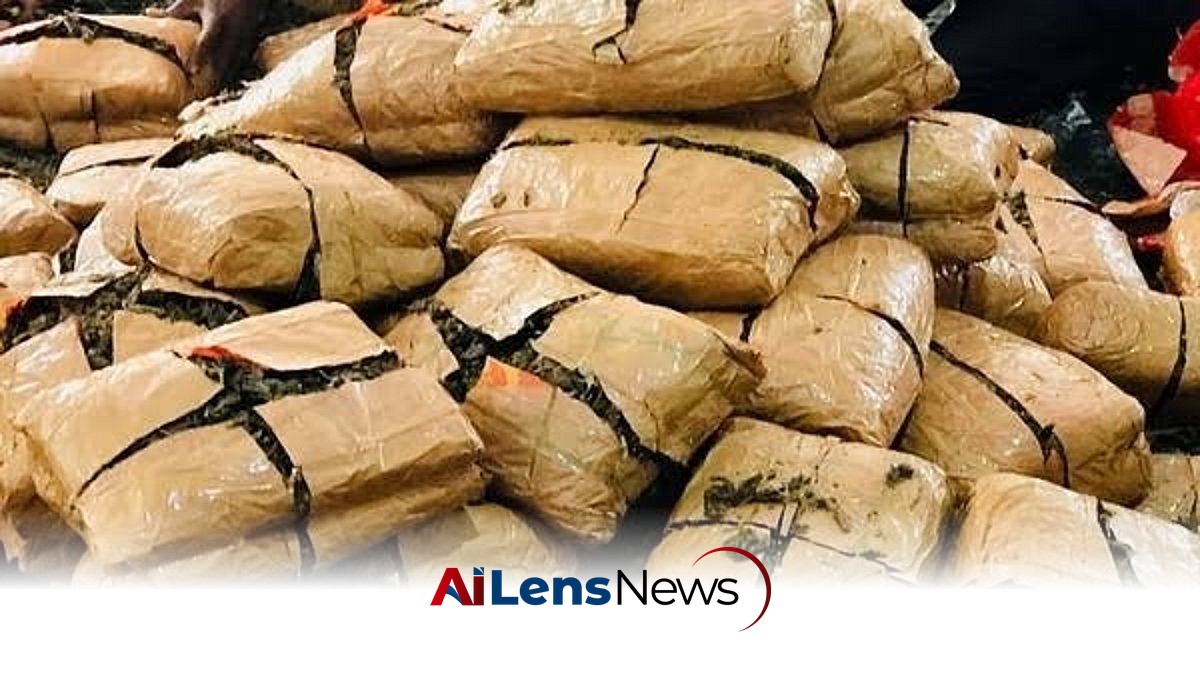


In a significant anti-drug operation, three women were arrested in Guwahati for allegedly peddling 4 kg of marijuana, as part of ongoing efforts to combat drug trafficking.
Itanagar, India Jul 21, 2026 ALN: Guwahati: Today, a team from the East Guwahati Police District (EGPD) attached to Basistha Police Station arrested three women allegedly involved in drug peddling and seized 4 kg of ganja during a raid at Beharbari.
As per police, the operation was carried out based on specific intelligence inputs regarding illegal narcotics activities in the area. Acting on the information, the EGPD team raided a suspected hideout in Beharbari and arrested the accused during the operation.
The arrested women have been identified as Jamile Khatun aged 35 of Dharamsala, Asatun Begum aged 32 of Kalgachia, and Safina Khatun aged 34 of South Salmara. Police alleged that the trio was involved in the transportation and distribution of ganja in Guwahati.
During the raid, officers recovered 4 kg of ganja from the possession of the accused. The seized contraband has been taken into police custody as evidence.
Legal proceedings have been initiated against the three women under the relevant provisions of the Narcotic Drugs and Psychotropic Substances (NDPS) Act. Police have launched a further investigation to trace the source of the seized ganja and identify other individuals allegedly linked to the drug trafficking network.
The operation forms part of Assam Police's ongoing crackdown on narcotics trafficking and illegal drug peddling in Guwahati and other parts of the state.
Drug trafficking has emerged as a significant issue in many parts of India, with northeastern states, including Assam, often identified as transit points for various narcotics due to their geographical proximity to countries like Myanmar and Bangladesh, where certain drugs are produced. The region's porous borders and challenging terrain make it difficult for law enforcement agencies to monitor and control the movement of illegal substances.
In recent years, Assam has witnessed a surge in drug-related activities, prompting the state government to enhance its anti-drug measures. This includes the establishment of specialized task forces and increased patrolling in suspected drug trafficking hotspots. The Assam Police have been actively engaging with local communities to raise awareness about the dangers of drug abuse and the legal consequences of involvement in drug trafficking.
In addition to law enforcement efforts, the state has also been focusing on rehabilitation programs for drug users and those affected by drug-related issues. Various NGOs and government initiatives are working together to provide support and treatment for individuals struggling with addiction, aiming to address the problem from both enforcement and social perspectives.
The arrest of the three women in Guwahati is a continuation of these intensified efforts. Authorities are keen to dismantle the networks that facilitate drug trafficking and distribution, which often have far-reaching impacts on public health and safety. The involvement of women in drug trafficking is particularly concerning, as it highlights the complex social dynamics surrounding drug abuse and the often desperate circumstances that lead individuals to engage in illegal activities.
Moreover, the implications of such arrests extend beyond immediate legal consequences. They raise important questions about the socio-economic factors contributing to drug trafficking, including poverty, lack of education, and limited employment opportunities in certain areas. Addressing these underlying issues is crucial for long-term solutions to the drug problem in Assam and other parts of India.
As the investigation continues, authorities are expected to delve deeper into the operations of the drug trafficking network that the arrested women were allegedly part of. This could lead to further arrests and a broader crackdown on similar activities in the region. The Assam Police have made it clear that they will not tolerate drug-related crimes and will continue to pursue all avenues to combat the growing menace of drug trafficking.
In a related context, the Assam Police have recently reported significant seizures of illegal drugs in various operations across the state. For instance, just a few weeks ago, police seized 669 kg of suspected marijuana at Guwahati Airport, indicating a larger trend of drug trafficking operations aimed at distributing narcotics within urban centers. These incidents underscore the ongoing challenges faced by law enforcement in curbing the supply and demand for illegal drugs.
As the situation develops, the community will be watching closely to see how the authorities respond to this growing crisis and what measures will be implemented to prevent future incidents of drug trafficking. The fight against drugs is not only a law enforcement issue but also a public health concern that requires a comprehensive approach involving education, prevention, and treatment strategies.
In conclusion, the arrest of Jamile Khatun, Asatun Begum, and Safina Khatun serves as a reminder of the persistent issue of drug trafficking in Assam and the ongoing efforts of the police to combat this serious problem. With continued vigilance and community involvement, there is hope for a reduction in drug-related activities and a healthier environment for the residents of Guwahati and beyond.
Drug trafficking is a multifaceted issue that affects not only the individuals involved but also the broader community. The presence of drugs can lead to increased crime rates, health crises, and a general decline in the quality of life in affected areas. The Assam government has recognized these challenges and has been working to implement a more holistic approach to tackle the issue.
One of the critical components of this approach is the collaboration between law enforcement and local communities. By engaging with residents, the police can better understand the local dynamics and identify potential hotspots for drug trafficking. Community members are often the first to notice unusual activities and can provide valuable information to law enforcement agencies.
Furthermore, the Assam government has been investing in educational campaigns aimed at informing the public about the dangers of drug use and the legal repercussions of trafficking. These initiatives are designed to deter individuals from becoming involved in drug-related activities and to promote healthier lifestyles.
The role of non-governmental organizations (NGOs) has also been significant in addressing drug-related issues in Assam. Many NGOs focus on rehabilitation and support for individuals recovering from addiction, offering counseling, medical assistance, and vocational training. This support is vital for helping individuals reintegrate into society and reduce the likelihood of relapse.
As the authorities work to dismantle drug trafficking networks, it is essential to recognize that these networks often exploit vulnerable populations. The socio-economic conditions in many parts of Assam can create an environment where individuals feel compelled to engage in drug trafficking as a means of survival. Therefore, addressing poverty, unemployment, and lack of education is crucial for long-term solutions.
In addition to law enforcement and rehabilitation efforts, there is a growing recognition of the need for mental health support for those affected by drug abuse. Many individuals turn to drugs as a coping mechanism for underlying mental health issues, and providing adequate mental health services can be a key component in preventing drug abuse.
The Assam Police's recent operations reflect a broader national trend of increasing scrutiny on drug trafficking. Across India, various states are ramping up their efforts to combat the drug trade, recognizing its implications for public health and safety. The central government has also been involved, providing resources and support to state governments in their fight against drug trafficking.
As the investigation into the arrests of Jamile Khatun, Asatun Begum, and Safina Khatun unfolds, it is expected that more information will come to light regarding the broader drug trafficking network operating in Assam. The authorities are hopeful that these arrests will lead to significant breakthroughs in understanding and dismantling these operations.
In summary, the arrest of these three women is a significant development in the ongoing battle against drug trafficking in Assam. It highlights the complexities of the issue and the need for a comprehensive approach that includes law enforcement, community engagement, education, and rehabilitation. Only by addressing the root causes of drug trafficking can the state hope to create a safer and healthier environment for its residents.
To learn more about the latest developments in Crime & Law, stay updated with our exclusive reports and analyses on AiLensNews.

