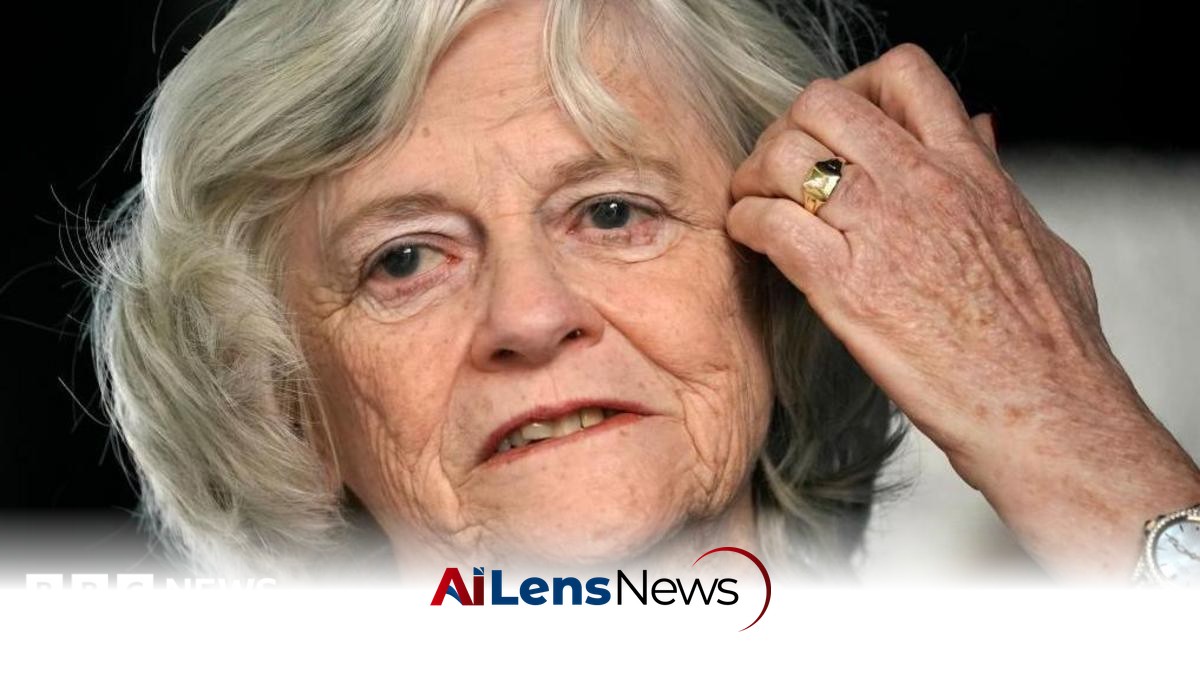


Police confirm Ann Widdecombe was killed in a targeted attack, with a suspect arrested as investigations into the motive continue.
New Delhi, India Jul 14, 2026 ALN: Ann Widdecombe was killed in a "targeted attack" and detectives are still working to understand the motive, police have said.
Assistant Commissioner Laurence Taylor, Head of Counter Terrorism Policing, stated that the appearance of the former Conservative minister turned Reform UK spokeswoman on Talk TV on the morning she was killed at her home in Devon is being investigated as part of the case. Widdecombe, who was a prominent political figure in the UK, had been known for her strong opinions and controversial stances on various issues during her time in office and after her retirement from active politics.
The investigation into her death has raised significant concerns regarding the safety of public figures, especially those involved in political discourse. This incident follows a series of high-profile attacks on politicians and public figures in recent years, prompting discussions about the increasing risks faced by individuals in the public eye. The police are keen to establish whether this attack was an isolated incident or part of a broader trend of politically motivated violence.
In an update at New Scotland Yard, Taylor indicated that he did not want to rule out the possibility that the killer could have been targeting other Reform figures. This statement underscores the potential implications of the attack, suggesting that there may be a wider threat to other members of the party or similar political groups. The Reform UK party, which has gained attention for its stances on various issues, including Brexit and immigration, has been a polarizing force in British politics, drawing both support and criticism from different segments of the population.
Detectives have obtained a warrant under the Terrorism Act to hold a 28-year-old suspect arrested in Rotherham on suspicion of murder for up to seven days. The use of the Terrorism Act indicates the seriousness with which authorities are treating this case, as well as the potential implications for national security. This legal framework allows for extended detention and questioning of suspects in cases where terrorism is suspected, reflecting the gravity of the situation.
The body of Widdecombe, 78, was discovered on Thursday, July 9, at her home in Haytor. She had sustained serious injuries in an attack police believe took place the previous day. The circumstances surrounding her death have shocked the community and the nation at large, raising questions about the safety of individuals in their own homes, particularly those who have been vocal in the public sphere.
A white British man, 28, was arrested on Saturday and was re-arrested on Monday on suspicion of the commission, preparation, or instigation of acts of terrorism. This development highlights the complexities of the investigation, as authorities explore all avenues to understand the motivations behind the attack. The suspect's background and any possible connections to extremist groups or ideologies are likely to be a focal point of the investigation.
Taylor mentioned that a counter-terrorism investigation is "running in parallel" to the murder investigation, but the suspected killing "has not been declared a terrorist incident at this stage." This distinction is crucial as it affects how the investigation is conducted and the resources allocated to it. While the murder investigation focuses on the specifics of the crime, the counter-terrorism aspect considers the broader implications and potential threats to public safety.
He told reporters: "It is clear that this was a targeted attack. We are still working to understand the extent of any planning or preparation, and the motivation that sits behind that attack." This statement reflects the ongoing nature of the investigation and the challenges faced by law enforcement in determining not only the who and how but also the why behind such a violent act.
"I wouldn't want to comment on what that motivation was," Taylor added, emphasizing the need for caution in drawing conclusions before all facts are known. This approach is critical in maintaining the integrity of the investigation and ensuring that any findings are based on evidence rather than speculation.
Taylor further stated: "There are multiple lines of inquiry that we are pursuing expeditiously, and that includes a number of digital forensic examinations." The use of digital forensics is increasingly common in modern investigations, allowing authorities to gather evidence from electronic devices, social media, and online communications to build a clearer picture of the events leading up to the attack.
The counter-terrorism police chief also stated he would not comment on whether they were investigating the involvement of a foreign state or on details about the planning and preparation of the attack. This level of caution reflects the sensitivity of the investigation and the potential implications of any findings related to foreign involvement, which could have significant geopolitical ramifications.
"We are working through what the motivation for the attack currently is," he said, reiterating the complexity of the case. The investigation is not only about finding the perpetrator but also understanding the underlying factors that may have led to this tragic event.
On Monday, Home Secretary Shabana Mahmood informed the House of Commons that the suspect was not known to the government's Prevent anti-terror scheme. This information may provide some reassurance to the public, as it suggests that the suspect did not previously raise red flags within the system designed to identify and prevent potential terrorist activities.
Taylor refrained from commenting on whether the arrest on suspicion of terror offenses means the suspect potentially committed terrorism offenses separate from the murder case or whether any other politicians were potential targets. This ambiguity leaves open the possibility that the investigation could uncover more serious implications regarding the safety of other political figures.
He stated: "This is a murder investigation following a brutal attack on a 78-year-old woman in her own home." The characterization of the attack as brutal highlights the severity of the crime and the impact it has had on the community and the nation. Such violence against a public figure raises alarms about the increasing hostility faced by those involved in politics.
There has been a "deeply distressing impact on Miss Widdecombe's family," he added, emphasizing the personal tragedy at the heart of this investigation. The emotional toll on the family of the victim is significant, as they navigate the loss of a loved one while grappling with the public nature of the investigation and the media scrutiny that often accompanies such high-profile cases.
Regarding Widdecombe's Talk TV appearance, Taylor said: "We are exploring all lines of inquiry and that is one of the lines of inquiry that we'll be exploring." The mention of her recent public engagement suggests that her political activities may be relevant to understanding the motive behind her killing, as public figures often attract both support and animosity based on their views and actions.
He requested that speculation be minimized and that the investigation be allowed to unfold. In terms of motive, he emphasized it would be premature to ascribe any ideology or motivation at this stage. This caution is necessary to ensure that the investigation remains focused on facts rather than conjecture, which can lead to misinformation and further distress for those affected by the crime.
Counter-terror police took over the investigation into Widdecombe's death from Devon and Cornwall police on Monday. This transition reflects the seriousness with which authorities are treating the case and the potential implications for public safety. The involvement of counter-terrorism units is often seen as a proactive measure to address any wider threats that may exist.
This development followed an earlier statement from Devon and Cornwall Police that, while they were keeping an open mind, there was "nothing to suggest" the murder was politically motivated. This statement indicates the complexities involved in determining the motivations behind violent acts, as initial assessments may change as more evidence comes to light.
Taylor explained: "Based on new information we felt it was appropriate that we took over the investigation." This indicates that the investigation is dynamic, with new information potentially reshaping the focus and direction of law enforcement efforts.
In an earlier statement, Devon and Cornwall's police and crime commissioner defended the force after the investigation was handed over to counter-terror officers. Alison Hernandez acknowledged "commentary" about the way police communicated during the early stages of the case, but described the force's response as "substantial and professional" and noted it was "not unusual" for counter-terror police to become involved later. This defense underscores the challenges faced by law enforcement in managing public expectations while conducting thorough investigations.
It has also emerged that Widdecombe, who served as Conservative MP for Maidstone in Kent for 23 years, gave a pre-recorded radio interview about 20 minutes before police believe she was attacked. This detail adds a layer of intrigue to the case, as it raises questions about what she may have discussed during the interview and whether it could be connected to her death.
She spoke to British Christian radio station TWR-UK for about nine minutes via video link, but the interview was not broadcast. The decision not to air the interview may have been influenced by the tragic events that followed, but it also raises questions about the content of the conversation and whether it contained any insights into her recent views or concerns.
The station later shared part of the recording with Times Radio, which first aired the interview on Tuesday. This dissemination of information may provide the public with greater context about Widdecombe's thoughts and activities leading up to her death, but it also raises ethical questions regarding the appropriateness of sharing such material in light of the ongoing investigation.
In the interview, she expressed her support for Reform UK leader Nigel Farage following his decision to re-fight his Essex seat in a by-election, amid scrutiny over his finances and a parliamentary investigation. This political context may be relevant to understanding any potential motivations behind the attack, as public figures often find themselves at the center of controversy and debate, which can sometimes lead to extreme reactions from individuals or groups.
As investigations continue, police are urging the public to remain calm and vigilant. The call for vigilance reflects the broader concerns regarding safety in the current political climate, where public figures may be increasingly at risk due to their visibility and the contentious nature of political discourse. Authorities are likely to increase their focus on protecting public figures and ensuring that appropriate measures are in place to prevent similar incidents in the future.
To learn more about the latest developments in Crime & Law, stay updated with our exclusive reports and analyses on AiLensNews.

