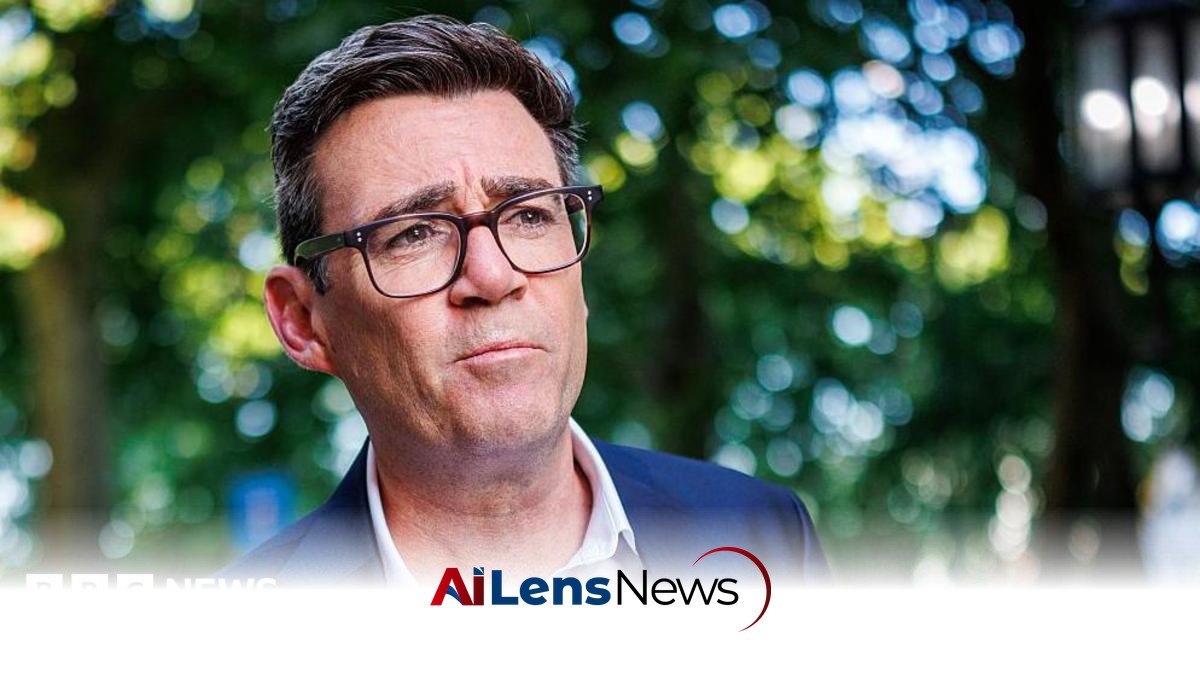


In a pivotal speech, Andy Burnham promises a transformative agenda for the UK as he prepares to take over as Labour leader and Prime Minister.
New Delhi, India Jul 17, 2026 ALN: Andy Burnham will promise a new path for Britain in a speech as he becomes the new Labour leader on Friday.
The Makerfield MP will be confirmed in the role at a special party conference in central London, ahead of taking over from Sir Keir Starmer as prime minister on Monday. This transition marks a significant moment in British politics, as Labour seeks to redefine its priorities and address the challenges facing the nation.
In his speech, Burnham will say that when he is in Downing Street, the government will be "unashamedly Labour in our priorities" and have the "courage to fix the big things that politics has neglected." This statement reflects a broader sentiment within the Labour Party, which has been grappling with its identity and direction in recent years. The party has faced criticism for being too centrist and not adequately addressing the concerns of its traditional base, particularly in the wake of Brexit and the economic challenges that have ensued.
Burnham cemented his status as the sole leadership candidate after being backed by 379 Labour MPs and most trade unions linked to the party earlier this week. His support within the party is indicative of a desire for a leadership that can unite various factions and present a cohesive vision moving forward. The backing of trade unions, which have historically played a crucial role in Labour politics, suggests that Burnham may prioritize workers' rights and social justice in his policy agenda.
Home Secretary Shabana Mahmood, in her role as the chair of Labour's ruling national executive committee, will announce Burnham as the new leader at the conference. This formal announcement is not just a procedural step; it symbolizes a shift in leadership that many within the party hope will reinvigorate Labour's appeal to voters across the UK.
It will mark a rapid rise to power following the former Greater Manchester mayor's by-election win in Makerfield last month. Burnham's victory in this by-election is significant as it underscores his connection to local issues and his ability to resonate with constituents. His experience as mayor has equipped him with insights into governance and public service that he is likely to leverage as he steps into the role of prime minister.
Making the economy work for people across the UK will require a "new path to the one we've been on for the last 40 years," Burnham will say. This assertion highlights a critical point of contention in British politics: the need for economic reform that addresses inequality and fosters sustainable growth. Many citizens have expressed dissatisfaction with the status quo, which they perceive as benefiting a select few while leaving many struggling to make ends meet.
In his first speech as Labour leader, he will also say that the Labour government will be "focused on driving growth in every postcode and returning power to communities" when he becomes prime minister. This commitment to localism and community empowerment is likely to resonate with voters who feel disconnected from Westminster politics and believe that decisions affecting their lives should be made closer to home.
He will say the government will have the "conviction to argue for our plans." This determination to advocate for Labour's vision may be crucial in countering the narratives presented by opposing parties and in mobilizing public support for his policies. Burnham's leadership style, characterized by openness and engagement with the public, will be essential in building trust and credibility.
Promising a "distinctively Labour" programme of economic policies, Burnham will say his plans involve more public control of utilities such as water, and reindustrialisation. The push for public ownership of essential services reflects a broader trend among progressive parties worldwide that seek to prioritize public welfare over privatization. Reindustrialisation, particularly in the wake of deindustrialization in many parts of the UK, is likely to be a focal point of his economic strategy, aiming to create jobs and stimulate local economies.
Labour, he will say, will be more united under his leadership and more open to working with other parties on the long-term challenges facing the country. This emphasis on unity and collaboration is particularly important in a political landscape that has become increasingly polarized. Burnham's willingness to engage with other parties may signal a pragmatic approach to governance that prioritizes effective solutions over partisan politics.
He will commit to being a leader "for the north and the south, for Scotland, for Wales and for Northern Ireland, and for every town and every city in every nation and region of this great country." This pledge to represent the diverse interests of the UK is a strategic move to broaden Labour's appeal beyond its traditional strongholds. Burnham's background in the north of England may inform his understanding of regional disparities and the need for policies that address these inequalities.
He will also pay tribute to Sir Keir for winning the general election in 2024 and point to NHS improvements and investment in public services as achievements of the Labour government so far. Recognizing the achievements of his predecessor is a diplomatic gesture that underscores continuity within the party while also setting the stage for his own agenda. The emphasis on public services, particularly the NHS, is likely to resonate with voters who prioritize healthcare access and quality.
Sir Keir resigned as Labour leader last month, saying he accepted he was not best placed to lead his party into the next general election. This resignation came after a tumultuous period for Labour, marked by electoral setbacks and internal party strife. The decision for Sir Keir to step aside reflects a recognition of the need for fresh leadership to reinvigorate the party and restore confidence among voters.
Heavy Labour losses in May's local elections followed by Burnham's by-election victory in Makerfield had left Sir Keir facing widespread calls from his own MPs for him to stand aside and allow Burnham to replace him. The local election results were a wake-up call for the party, highlighting the urgency for change and the necessity of addressing voter concerns more effectively. Burnham's ascent to leadership is seen as a response to these challenges and an opportunity for Labour to recalibrate its approach.
When potential leadership contenders Wes Streeting, the former health secretary, and Al Carns, a former defence minister, said they would not challenge Burnham, it paved the way for him to become the next prime minister unopposed. This lack of opposition within the party suggests a consensus around Burnham's leadership and a desire for stability as Labour navigates the complexities of governance.
Sir Keir has said he will support his successor and offer him advice privately, if asked. This willingness to assist Burnham is indicative of a collaborative spirit within the party, which may be crucial as Labour faces the challenges of governing effectively and addressing the needs of the electorate.
Speaking to Sky during a visit to Ukraine on Thursday, he said he wanted an "orderly transition" and that he had built a "sound foundation" for Burnham. This sentiment reflects a desire to ensure that Labour remains focused on its priorities and maintains momentum as it shifts leadership. The emphasis on an orderly transition is also a message to the party and the public that stability will be prioritized during this period of change.
His successor has given little detail about his policy plans and has not announced who will be appointed to key cabinet roles. The anticipation surrounding cabinet appointments reflects the importance of these decisions in shaping the direction of the government and the implementation of policy initiatives. The selection of cabinet members will likely be closely scrutinized, as they will play a pivotal role in executing Burnham's vision for the country.
Announcements on cabinet posts are not expected to be made until Monday, when Burnham takes office in Number 10. The delay in announcing cabinet appointments may be a strategic move to allow Burnham to carefully consider his options and ensure that he surrounds himself with a team that aligns with his vision and values.
But multiple reports suggest Shabana Mahmood could be Burnham's pick for chancellor, with the BBC told there are "live discussions" over this. Mahmood's potential appointment as chancellor would be a significant choice, as the chancellor is responsible for economic policy and public finances. Her expertise and experience in government could complement Burnham's vision for a Labour-led economic agenda.
On policy, Burnham offered some details about his blueprint for office in a speech in Manchester earlier this month. He proposed a new No 10 unit in Manchester, where a team would be tasked with handing local government more control in areas including housing and transport. This proposal aligns with his commitment to decentralization and empowering local authorities to address the unique challenges faced by their communities.
In the early weeks of his premiership, Burnham is planning to undertake a "listening tour" of the UK while Parliament is in recess this summer. This listening tour is a strategic initiative aimed at engaging with citizens across the country, gathering insights, and building rapport with the electorate. It reflects Burnham's approach to leadership, which prioritizes dialogue and responsiveness to public concerns.
Burnham has signaled that providing extra support for the cost of living will be one of his priorities in government. The ongoing cost of living crisis has been a pressing issue for many families, and Burnham's commitment to addressing this challenge could resonate with voters who are feeling the financial strain. His approach to economic policy will be closely monitored as he seeks to balance support for families with fiscal responsibility.
He has defended his credibility on economic policy, insisting he will not be "indisciplined" with the public finances. This assertion is crucial in establishing trust with voters, particularly in light of past criticisms leveled at Labour regarding fiscal management. Burnham's commitment to prudent financial stewardship may be pivotal in winning over skeptical voters.
But the International Monetary Fund (IMF) has warned Burnham's incoming government to avoid increasing public spending in the face of pressures such as rising household energy bills. The IMF's caution underscores the complexities of economic governance and the need for a balanced approach to fiscal policy. Burnham's administration will need to navigate these challenges while fulfilling its commitments to support vulnerable populations.
In a new report on the UK, the IMF said the UK should try to stay focused on its plans to grow the economy. This emphasis on economic growth is critical for Labour as it seeks to address issues such as unemployment, wage stagnation, and regional disparities. Burnham's economic strategy will need to be robust and adaptable to changing circumstances.
"This calls for a cautious approach to new fiscal pressures: the authorities should be very selective in accommodating new demands and reprioritise, while sticking to the deficit reduction plan," the report says. This guidance from the IMF highlights the importance of fiscal discipline in the face of competing demands and the necessity for strategic prioritization.
"Future spending reviews should focus on reallocating resources across departments, rather than increasing total spending." This recommendation suggests that Burnham's government will need to be innovative in its approach to budgeting and resource allocation, ensuring that funds are directed toward initiatives that align with its policy goals while maintaining fiscal responsibility.
To learn more about the latest developments in Politics, stay updated with our exclusive reports and analyses on AiLensNews.

