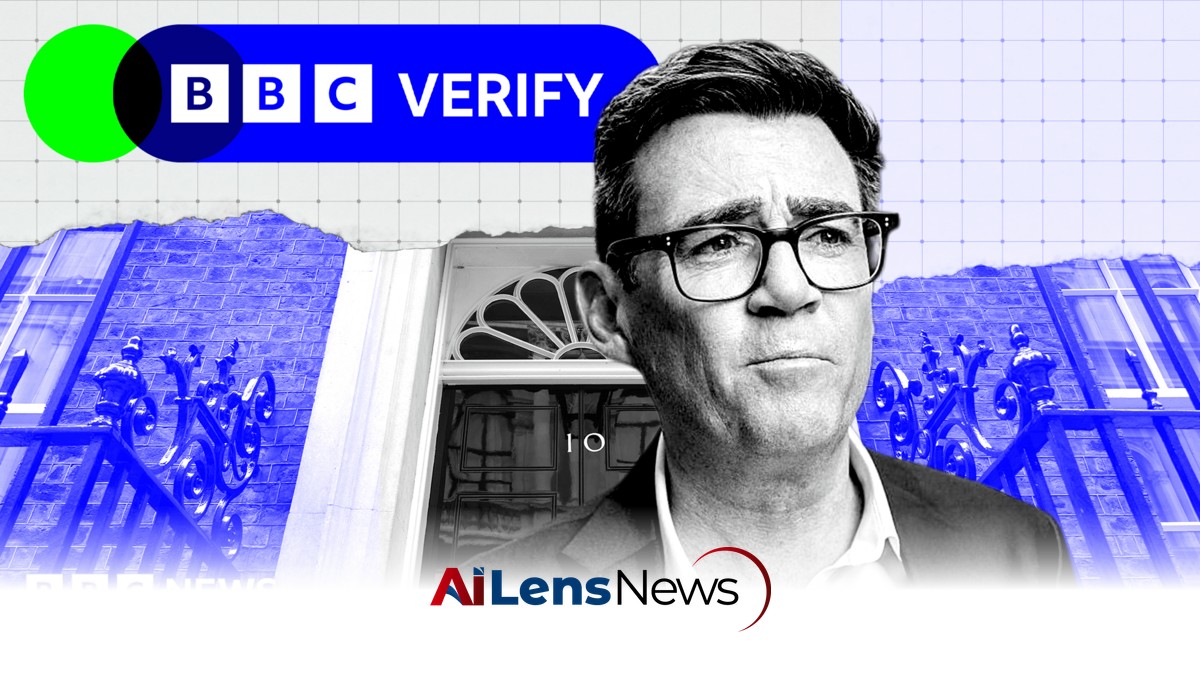


As Andy Burnham prepares to take office, he faces significant challenges including welfare reform, defense spending, social care, and housing shortages.
New Delhi, India Jul 17, 2026 ALN: When Andy Burnham enters No 10 Downing Street, he will inherit some formidable and complex problems that successive prime ministers and governments have attempted to address - mostly without success.
BBC Verify has looked at five big policy challenges Burnham will face and the approaches he might take to address them. These challenges not only reflect the immediate concerns of the British populace but also highlight systemic issues that have been exacerbated by recent events, including the Covid pandemic and economic fluctuations.
The cost of sickness and disability benefits for people of working age has grown rapidly since the Covid pandemic and now stands at around £58bn a year. It's projected to rise to £78bn a year by 2030. This increase in expenditure poses a significant challenge for Burnham, who will need to balance the financial sustainability of the welfare system with the needs of vulnerable populations.
The biggest driver of the increase is the number of people claiming Personal Independence Payments (PIP) - a working age benefit designed to support people with disabilities that increase their living costs. The number of people claiming PIP is forecast to rise from four million today to five million by 2030, indicating a growing need for support in this area.
The share of people who are younger and claiming PIP for mental health problems or neurodevelopmental disorders such as ADHD is also rising fast. The implications of this trend are profound, as mental health issues increasingly impact the workforce and the economy. The previous Conservative government attempted to reform the working age disability welfare system, but the cost continued to rise during their time in office, illustrating the complexity of making effective reforms in this area.
Last year, Sir Keir Starmer's government tried to reduce the PIP bill by £5bn a year by 2030 by tightening eligibility but had to do a U-turn after a revolt by Labour MPs. This incident underscores the political sensitivity surrounding welfare reforms, particularly when they affect vulnerable groups.
A recent interim report by the disability minister, Sir Stephen Timms, co-produced with disability groups, accepts that PIP is "not fit for purpose". The final Timms report is expected to propose reforms to the system later this year, which Burnham could adopt. Potential reforms could involve offering young people with mental health problems therapy or other support rather than cash, which could be seen as a more proactive approach to addressing the underlying issues rather than merely providing financial assistance.
However, there remains the risk of backlash from disability groups and potentially Labour MPs if the reforms are considered unfair. Burnham has recently said he does want to reduce the welfare bill, but by encouraging people into work and not through "crude cuts". This approach suggests a focus on employment support and training, but it will require significant investment in job creation and support services.
After a delay of almost a year, Starmer finally published the government's Defence Investment Plan in June. This led to an outcry in some quarters because it only took defence spending to 2.7% of GDP by 2030. Critics argue that this level of funding is inadequate given the current geopolitical climate, particularly in light of increasing tensions in Eastern Europe and the ongoing challenges posed by global terrorism.
Moreover, it was not fully funded, requiring savings to be extracted from other Whitehall departments. This presents a significant challenge for Burnham, who will need to navigate inter-departmental tensions and ensure that vital services are not adversely affected by cuts in other areas.
The pressure on Burnham to lift defence spending to 3% of GDP by 2030 from the former defence secretary John Healey, who resigned over the issue, and the defence establishment will continue. However, this would cost an additional £9bn a year relative to the current plans, raising questions about budget allocation and prioritization of spending in a time of fiscal constraints.
Another challenge for Burnham is the new NATO target of raising defence spending to 3.5% by 2035. This would cost an additional £24bn a year relative to current plans, further complicating the financial landscape. Some have suggested that this could be paid for by the Treasury issuing special "war bonds", to avoid the need to raise taxes or cut spending elsewhere. This proposal reflects a growing recognition of the need for innovative financing solutions in addressing national security concerns.
Additionally, if Burnham does spend more on defence, he will face the challenge of reforming defence procurement - buying and developing planes, ships, vehicles, and weapons - which has historically been plagued by inefficiencies and waste. This issue not only affects military readiness but also impacts taxpayer confidence in government spending.
The social care system in England - which is delivered mainly by independent providers rather than the NHS - is widely perceived as underfunded and unfair. The public funding system is means-tested, leading to significant disparities in access to care services.
It is estimated that there are two million older people in England now living with some unmet need for social care. This situation not only affects the quality of life for these individuals but also places additional strain on families and informal caregivers, who often bear the brunt of providing care without adequate support.
Around 10% of people aged 65 and over face lifetime care costs above £100,000 for their care, a burden that many families are ill-prepared to shoulder. Burnham has himself described it as a "broken" system. He made an attempt to reform it when he was health secretary in Gordon Brown's cabinet, though his plan was abandoned after Labour lost the 2010 election.
A government-commissioned report by the economist Andrew Dilnot in 2011 proposed a state-funded cap on lifetime care costs, of around £35,000, meaning no one would be required to pay more than that to fund their own care. The principle of a state-funded cap was accepted by Conservative ministers, but the Dilnot system was never implemented, leaving many individuals and families in a precarious position.
Former Prime Minister Theresa May put a separate plan for a new system of social care support into the 2017 Tory manifesto, which proved controversial and was blamed for the loss of the Tory majority in that election. The political ramifications of social care reform are significant, as they can influence public perception and electoral outcomes.
Labour's 2024 manifesto pledged a new "national care service". However, Starmer kicked the reform can down the road when he became PM and commissioned Baroness Casey to produce a review on options for reform, instructing her to deliver her final report by 2028. This delay raises concerns about the urgency of addressing the social care crisis.
Burnham has suggested he will ask Baroness Casey to report back sooner - by the end of 2026 - and could choose to implement her recommendations. However, any reform is likely to cost money, likely billions of pounds a year, and will require careful consideration of funding sources and political viability.
The government promised to deliver 1.5m new homes in England over the five years of this Parliament, which would imply an average annual rate of 300,000. However, it is badly off track, with only 204,000 delivered in the 12 months to March 2026. This shortfall highlights the challenges of meeting housing demand in a country where affordability and availability are pressing issues.
The housing crisis is exacerbated by a combination of factors, including rising property prices, stagnant wages, and a lack of investment in affordable housing projects. Burnham will need to address these systemic issues while also appealing to a diverse electorate with varying needs and expectations regarding housing.
Efforts to increase housing supply will require collaboration with local authorities, private developers, and community organizations. Burnham may need to consider innovative approaches, such as incentivizing the construction of affordable housing or revising planning regulations to facilitate development.
Moreover, the housing crisis has broader implications for social stability and economic growth. A lack of affordable housing can lead to increased homelessness, social unrest, and economic disparities, all of which can have long-term consequences for society.
In summary, as Andy Burnham prepares to assume the role of Prime Minister, he faces a multitude of challenges that require thoughtful consideration and strategic action. The complexities of welfare reform, defense spending, social care, and housing not only reflect immediate policy concerns but also highlight the interconnectedness of these issues within the broader socio-economic landscape. Burnham's ability to navigate these challenges will be critical in shaping the future of the UK and addressing the needs of its citizens.
To learn more about the latest developments in Politics, stay updated with our exclusive reports and analyses on AiLensNews.

