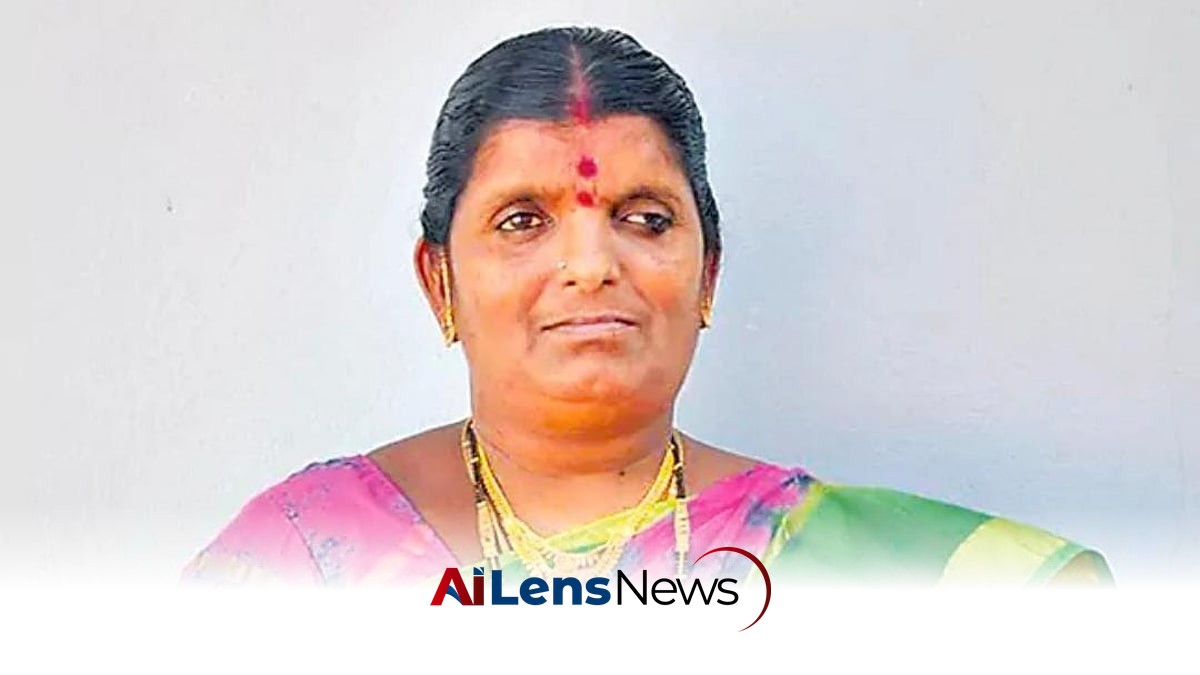


A 48-year-old woman, presumed dead, showed signs of life after an ambulance hit a pothole, leading to her emergency transport for critical care.
Amaravati, India Aug 1, 2026 ALN: In an extraordinary incident that has sparked widespread discussion across the district, a 48-year-old woman who was presumed dead reportedly showed signs of life after the ambulance transporting her hit a pothole.
According to local media reports, relatives of Gurajala Ramathulasi—a former Sarpanch of Bhujabalapatnam village in Kaikaluru mandal—claimed that she had been undergoing treatment for severe kidney-related ailments at a corporate hospital in Eluru. This incident has raised numerous questions about the medical protocols followed in such critical situations and the implications of premature declarations of death.
Family members told local news outlets that despite intensive care, including ventilator support and cardiopulmonary resuscitation (CPR), attending doctors informed them on Thursday morning that she could not be revived after her pulse ceased, declaring her dead. This declaration was based on standard medical practices, which typically involve a series of assessments to confirm the absence of vital signs. However, the case of Ramathulasi highlights the complexities involved in determining death, particularly in patients with severe health complications.
Accepting the prognosis, her grieving family arranged for a private ambulance to transport her body back to her native village for final rites, while condolences began pouring in on social media. The emotional turmoil of losing a loved one, compounded by the public nature of their grief, is a common experience for families in similar situations. It underscores the societal expectations surrounding death and mourning, especially in close-knit communities where traditional practices dictate the observance of final rites.
However, her relatives claimed to local media that as the ambulance jolted upon hitting a severe pothole near Pulaparru village in Mandavalli mandal, they suddenly noticed movement and signs of breathing. Stunned by the development, the family immediately diverted the vehicle to a nearby healthcare facility. This unexpected turn of events has ignited discussions about the importance of thorough medical evaluation and the potential for misdiagnosis in critical care scenarios. The phenomenon of patients exhibiting signs of life after being declared dead, while rare, is not entirely unprecedented and has been documented in various medical literature.
Doctors at the local hospital confirmed that Ramathulasi was indeed alive, albeit in critical condition. Following emergency stabilization, she was referred to the Government General Hospital (GGH) in Eluru and subsequently shifted to GGH Vijayawada for specialized care. The transfer to a facility equipped to handle complex medical cases is a crucial step in ensuring that patients receive the necessary attention and resources for recovery. The swift action taken by her family upon observing signs of life likely played a significant role in her current condition.
Family members informed local media that her condition has since stabilized under intensive care in the ICU, where specialists continue to monitor her closely. This development has provided a glimmer of hope not only for her family but also for the community, which has rallied around them during this challenging time. The emotional and psychological impact of such a miraculous recovery can be profound, often leading to renewed faith in medical professionals and the healthcare system.
While medical experts note that clinical evaluation is required to understand the exact circumstances of the event, hospital authorities have yet to issue an official statement. The implications of this incident extend beyond Ramathulasi's case, prompting a reevaluation of medical protocols regarding the declaration of death, especially in patients with complex health issues. It raises critical questions about the training of healthcare providers in recognizing signs of life and the procedures in place to confirm death.
This incident also highlights the broader issues of healthcare infrastructure in rural and semi-urban areas, where access to quality medical care can be limited. The pothole that jolted the ambulance serves as a metaphor for the challenges faced by many in these regions, where inadequate transportation and healthcare facilities can have life-or-death consequences. It emphasizes the need for improved road conditions and healthcare accessibility to prevent similar occurrences in the future.
Furthermore, the story of Ramathulasi's revival has the potential to inspire discussions around the ethical considerations in end-of-life care and the importance of family involvement in medical decisions. It underscores the emotional weight that accompanies the declaration of death, a moment that is often fraught with grief and finality. As her family navigates this complex emotional landscape, their experience may lead to greater advocacy for patient rights and the need for transparency in medical practices.
In summary, what was initially a journey of mourning for the family has unexpectedly turned into a miraculous story of hope. The incident serves as a reminder of the fragility of life and the unpredictability of medical outcomes. As the community continues to rally around Ramathulasi and her family, the implications of this event will likely resonate far beyond the immediate circumstances, prompting reflections on healthcare practices, family involvement in medical decisions, and the need for systemic improvements in the medical field.
This incident also brings to light the importance of public awareness regarding medical protocols and the potential for advocacy to improve healthcare practices. The dialogue surrounding the declaration of death needs to be broadened, ensuring that families are informed and involved in the decision-making process. This can help mitigate the emotional turmoil that accompanies such declarations, allowing families to feel more empowered during critical moments.
Moreover, this case could lead to increased scrutiny of how medical professionals are trained to handle end-of-life situations. The standards for confirming death may require a reassessment, especially in light of cases where patients have shown signs of life after being declared deceased. This could prompt a shift in medical training, emphasizing the need for comprehensive evaluations and possibly the introduction of new technologies or methodologies to assist in these determinations.
In rural areas like Eluru, where healthcare access can be limited, the incident also serves as a wake-up call for local governments and health authorities. Investments in healthcare infrastructure, including better road conditions and more equipped medical facilities, could save lives in the future. The tragic reality is that many individuals in similar situations may not have the opportunity for a second chance due to systemic inadequacies.
As the community reflects on this incident, it may also lead to a more profound understanding of the interconnectedness of healthcare systems and the importance of community support during times of crisis. Ramathulasi's story is not just a personal narrative but a collective experience that resonates with many who have faced similar challenges in the healthcare system.
Additionally, the emotional journey of the family and their experience navigating the healthcare system can serve as a powerful narrative for advocacy groups. Their story could inspire changes in policies that prioritize patient-centered care and emphasize the importance of family involvement in medical decisions. This incident could catalyze a movement towards greater compassion and understanding in the medical field, ultimately benefiting patients and their families.
In conclusion, the revival of Gurajala Ramathulasi is a remarkable event that has captured the attention of many, igniting discussions about medical ethics, healthcare access, and the complexities of life and death. As her condition continues to improve, the implications of this incident will likely extend beyond individual experiences, influencing broader healthcare practices and policies for years to come.
To learn more about the latest developments in Health & Public Safety, stay updated with our exclusive reports and analyses on AiLensNews.

