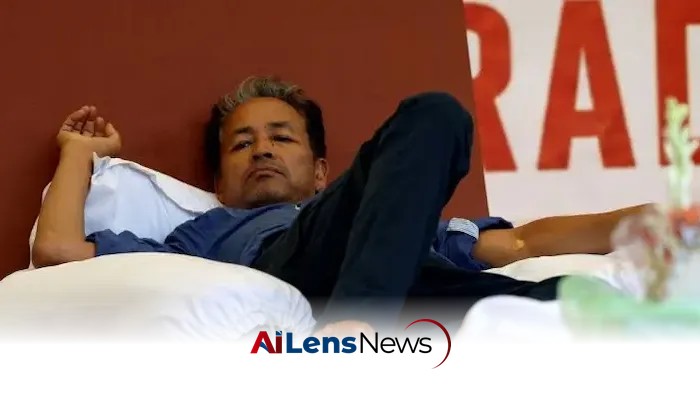


Sonam Wangchuk: పార్లమెంట్కు శాంతియుతంగా వెళ్ళే యువతపై పోలీసులు లాఠీఛార్జ్ చేయడాన్ని ఆయన తీవ్రంగా ఖండించారు.
అమరావతి, భారతదేశం 20, జులై 2026 ALN: Sonam Wangchuk, a prominent engineer and education reformist, has taken a stand against the recent police action that involved the use of force against peaceful protesters in India. The incident, which saw law enforcement employing lathi charges on a gathering of youth and students marching towards Parliament, has sparked significant outrage and condemnation from various quarters, including Wangchuk himself. He described the police's actions as brutal and expressed deep concern over the treatment of young individuals who were merely attempting to voice their grievances to their elected representatives.
The backdrop of this situation is rooted in ongoing social and political issues that many young people in India face today. With rising unemployment rates, increasing education costs, and a perceived disconnect between the government and the youth, many students feel compelled to take to the streets to demand action and accountability from their leaders. Wangchuk's decision to continue his hunger strike until the government allows student representatives to meet with Parliament members highlights the urgency and seriousness of the issues at hand.
Wangchuk has made it clear that he will not end his fast until the government takes concrete steps to facilitate dialogue between the youth and their representatives in Parliament. His commitment to this cause reflects a broader sentiment among many young Indians who feel marginalized and unheard in the current political landscape. By refusing to back down, Wangchuk is not only advocating for his own rights but also for the rights of countless others who share similar frustrations. This act of civil disobedience is indicative of a growing trend among youth in India, who are increasingly asserting their right to participate in the democratic process.
In a letter addressed to hospital authorities and relevant officials, Wangchuk expressed his determination to push for change. He stated that while the hospital staff cited his health as a reason for not allowing him to leave, he remains in good health and is resolute in his stance. His assertion that the protests will not subside until their demands are met underscores the growing unrest among the youth demographic, which is increasingly vocal about their dissatisfaction with the status quo. This unrest is not merely a reaction to specific incidents but is part of a larger narrative concerning the future of youth in India.
This situation is emblematic of a larger trend in India, where youth activism is on the rise. Over the past few years, there have been numerous instances of young people organizing protests and movements to advocate for various causes, including environmental issues, social justice, and educational reforms. The use of social media and digital platforms has empowered these young activists to mobilize quickly and effectively, drawing attention to their causes both nationally and internationally. The ability to connect and organize through these platforms has transformed the landscape of activism, allowing for rapid dissemination of information and solidarity among diverse groups.
Wangchuk himself has been an influential figure in the educational reform movement, known for his innovative approaches to learning and teaching. He has previously championed initiatives aimed at improving the quality of education in rural areas and has been an advocate for sustainable practices in education. His current hunger strike is a continuation of his long-standing commitment to social justice and empowerment for the youth of India. His work in education reform has often highlighted the necessity for systemic changes to address the disparities faced by students, particularly in underprivileged regions.
The implications of this protest extend beyond the immediate demands of the youth. It raises critical questions about the role of the government in addressing the needs and concerns of its younger citizens. The heavy-handed response from the police may serve to further alienate young people from the political process, potentially leading to increased tensions and unrest in the future. If the government fails to engage with these issues, it risks fostering an environment of disillusionment among the youth, which could have long-lasting effects on the political landscape of the country. The potential for escalating protests could lead to a cycle of unrest that may challenge the stability of governance in India.
Moreover, the current political climate in India is already fraught with challenges, including rising nationalism, debates over freedom of expression, and tensions between various social groups. The treatment of peaceful protesters, particularly students, could exacerbate these divisions and lead to a broader backlash against the authorities. As young people continue to assert their rights and demand a voice in the democratic process, the government's response will be crucial in determining the future of youth activism in India. The increasing visibility of youth-led movements may also compel the government to rethink its approach to engagement with this demographic.
In conclusion, Sonam Wangchuk's refusal to end his hunger strike until the youth are allowed to engage with their representatives in Parliament is a significant act of civil disobedience. It highlights the urgent need for dialogue between the government and the younger generation, who are increasingly feeling disenfranchised. As the situation develops, it will be essential to monitor how the government responds to the demands of the youth and whether it can find a way to address their concerns in a constructive manner. The outcome of this protest may very well shape the future of youth engagement in Indian politics and the broader societal landscape. The potential for a transformative dialogue between the government and youth could lead to meaningful reforms that address the pressing issues faced by this vital segment of the population.
To learn more about the latest developments in Crime & Law, stay updated with our exclusive reports and analyses on AiLensNews.

