

The Congress party blames the Centre for ongoing exam paper leaks, urging reforms to protect students and restore trust in the examination system.
Amaravati, India Jul 20, 2026 ALN: The issue of examination paper leaks in India has emerged as a significant concern, drawing attention from various political parties and stakeholders in the education sector. The Andhra Pradesh Congress Committee (APCC) recently voiced its grievances regarding this persistent problem, accusing the BJP-led Union government of negligence in addressing the recurring incidents that have, according to them, jeopardized the futures of millions of students across the country.
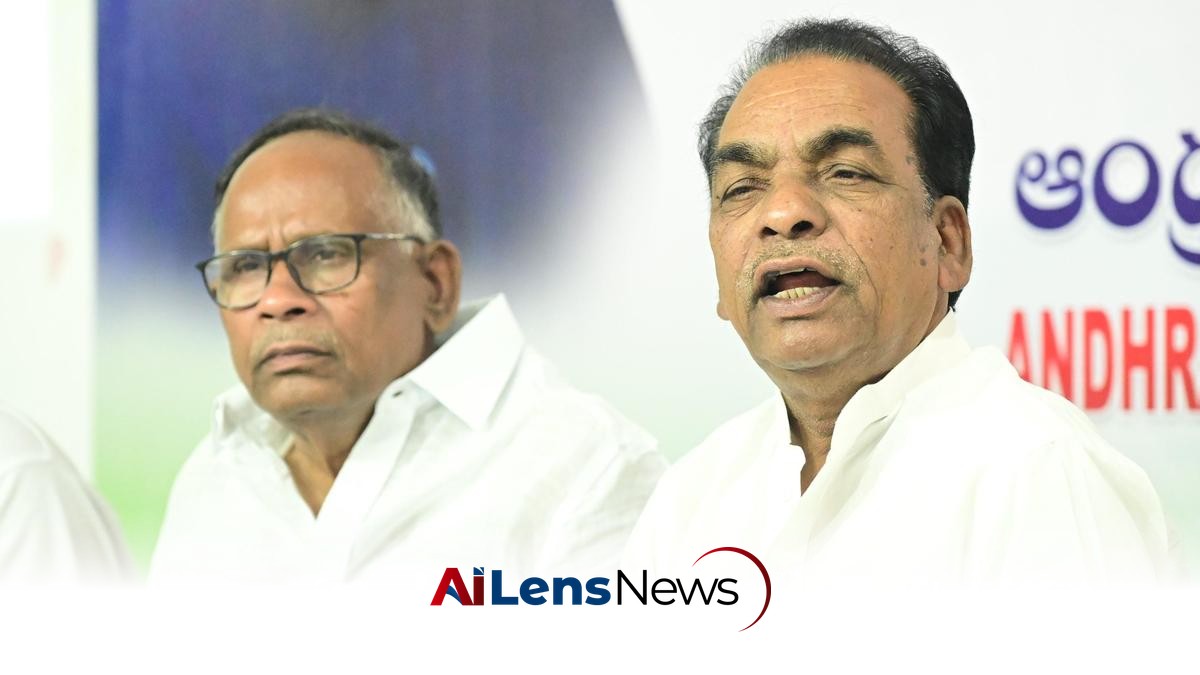
In a press conference held at Andhra Ratna Bhavan in Vijayawada, J. D. Seelam, the working president of the APCC, articulated the party's stance on the matter. He highlighted that the Congress party has initiated a nationwide campaign titled ‘Chhatron Ki Goonj’ (Voice of Students), aimed at protecting the interests of students and restoring credibility to the examination system. This initiative reflects a broader concern among various political entities about the integrity of educational assessments in India.
Mr. Seelam's remarks were particularly pointed as he referenced alarming statistics regarding examination paper leaks. He claimed that since 2014, there have been 152 reported instances of such leaks, impacting nearly 7.5 crore students and their families. This figure underscores the scale of the problem, suggesting that a significant portion of the student population has been affected by these irregularities. However, he lamented that despite the frequency of these leaks, there have been no convictions, raising questions about accountability and the effectiveness of measures in place to combat this issue.
Among the examinations cited by Mr. Seelam were some of the most critical assessments in the country, including the Eligibility cum Entrance Test (NEET), the Joint Entrance Examination (JEE), the Staff Selection Commission (SSC) exams, the University Grants Commission Eligibility Test (UGC-NET), the Common University Entrance Test (CUET), and various state-level recruitment tests. The mention of these specific exams illustrates the breadth of the problem, as these assessments are pivotal for students aspiring to enter prestigious educational institutions or secure government jobs.
Mr. Seelam expressed frustration that students invest years of preparation and substantial financial resources in coaching and other related expenses, only to have their efforts undermined by the activities of alleged paper leak rackets. He highlighted the financial burden on families, stating that these rackets reportedly charge exorbitant sums for access to leaked question papers and guaranteed ranks. This situation has led to a significant decrease in opportunities for deserving candidates, particularly in a competitive landscape where nearly nine crore aspirants vie for approximately six lakh government jobs each year.
In light of these concerns, Mr. Seelam called for accountability from the central government, specifically targeting Union Education Minister Dharmendra Pradhan. He demanded the minister's resignation, suggesting that the current administration has failed to take adequate action against the systemic issues plaguing the examination process. Furthermore, he proposed a series of remedial measures, including a Supreme Court-monitored Central Bureau of Investigation (CBI) inquiry into all reported paper leak cases, the establishment of a stringent anti-paper leak law, and compensation for the students adversely affected by these leaks. He also advocated for free re-examinations for impacted candidates and comprehensive reforms in the Testing Agency responsible for conducting these assessments.
The issue of examination paper leaks is not just a political talking point; it has real implications for the education system and the future of students in India. With the increasing competitiveness of examinations, the integrity of the assessment process is paramount. The recurring leaks erode trust in the system, potentially discouraging students from pursuing their academic aspirations. The financial implications for families, who often invest heavily in their children's education, add another layer of complexity to this issue.
In addition to the Congress party's stance, senior Congress leader Kolanukonda Shivaji also criticized local political parties, namely the YSR Congress Party and the Telugu Desam Party, for their perceived lack of support for students affected by the NEET-UG controversy in Andhra Pradesh. This criticism points to a broader political landscape in which various parties are vying for the support of students and their families, as education remains a critical issue for many voters. Shivaji urged students to join Rahul Gandhi’s proposed “Chalo Delhi – Vidyarthi Garjana” program scheduled for August 9, 2026, indicating that the Congress party is mobilizing support for a larger movement aimed at reforming the educational system and addressing the grievances of students.
The implications of the ongoing examination paper leak crisis extend beyond immediate political ramifications. They raise fundamental questions about the governance of educational institutions, the regulatory frameworks in place, and the responsibilities of both state and central governments in safeguarding the interests of students. As the debate continues, it is essential for all stakeholders, including educational authorities, policymakers, and civil society, to engage in constructive dialogue aimed at finding effective solutions to this pressing issue.
In conclusion, the recurring examination paper leaks in India represent a significant challenge that requires urgent attention and action. The allegations made by the APCC and the proposed measures highlight the need for a comprehensive approach to reform the examination system, ensuring that it is fair, transparent, and accountable. As the situation develops, it will be crucial for all involved parties to prioritize the integrity of the educational process and the future of millions of students who depend on it.
To learn more about the latest developments in Crime & Law, stay updated with our exclusive reports and analyses on AiLensNews.

