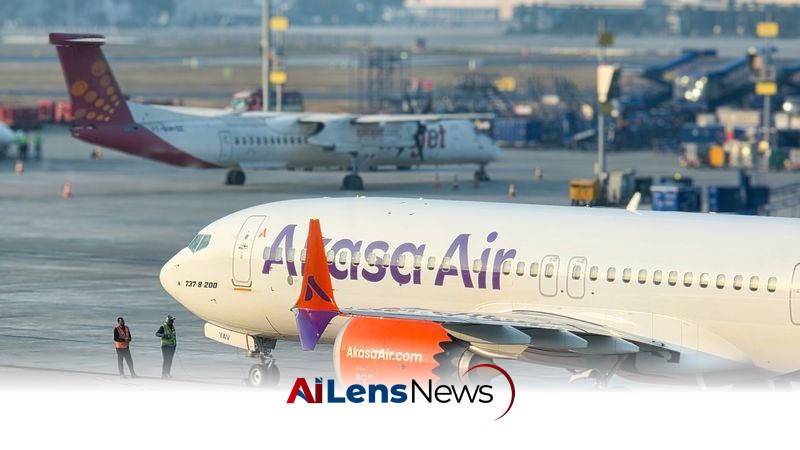


Akasa Air has temporarily suspended its flights to Jewar and Navi Mumbai, with services set to resume on October 1, as airlines reassess capacity amid fluctuating passenger demand.
New Delhi, India Jul 13, 2026 ALN: In a significant move, Akasa Air has announced the suspension of its flights to Jewar and Navi Mumbai. This decision comes as airlines across the country are reevaluating their capacity deployment strategies, particularly at newly launched airports where passenger demand has yet to stabilize. The suspension is expected to last until October 1, when the airline plans to resume its services. This pause reflects a broader trend within the aviation industry, where airlines are adjusting their operations in response to changing market dynamics.
The decision to suspend flights is not isolated. Many airlines are currently facing challenges related to fluctuating passenger numbers, especially at newer airports that have recently opened. As travel patterns evolve, airlines are compelled to adapt their services to ensure operational efficiency and profitability. The aviation sector has been grappling with the aftereffects of the COVID-19 pandemic, which drastically altered travel behavior and demand patterns. With international travel restrictions and domestic lockdowns, airlines experienced unprecedented declines in passenger numbers, leading to a reevaluation of routes and capacity.
Akasa Air, which has been expanding its network since its inception, is taking a cautious approach to its operations. The airline, launched with a vision to bring affordable air travel to the masses, has been focusing on building a sustainable business model. By temporarily halting flights to these destinations, the airline aims to reassess its capacity and align its services with current demand levels. This strategy is not only about immediate financial health but also about ensuring long-term viability in a competitive market.
The broader context of this suspension can be understood through the lens of the Indian aviation market, which has seen significant growth in recent years. However, this growth has been uneven, particularly with the introduction of new airports like Jewar and the expansion of existing ones. Jewar Airport, officially known as Noida International Airport, is one of the most anticipated infrastructure projects in the region, expected to ease congestion at Delhi's Indira Gandhi International Airport and promote economic growth in the surrounding areas. Despite its potential, the airport is still in the early stages of operation, and passenger numbers have yet to reach expected levels.
Airlines operating at newer airports often face the challenge of building a customer base while managing operational costs. The initial phase of any airport's operation typically involves a period of trial and error as airlines gauge demand and adjust their services accordingly. Akasa Air's decision to suspend flights can be seen as a prudent measure in this context, allowing the airline to avoid overextending itself in a market that is still finding its footing.
Passengers who had booked flights to Jewar and Navi Mumbai will need to make alternative arrangements during the suspension period. The airline has stated that it will assist affected customers in rescheduling their flights or obtaining refunds. This customer-centric approach is crucial, especially as airlines strive to maintain goodwill and loyalty among their passengers during challenging times. The suspension could lead to frustration for travelers who had planned their journeys, but Akasa Air's proactive communication and support can help mitigate some of this inconvenience.
As the aviation sector continues to recover from the impacts of the pandemic, airlines are focusing on sustainability and long-term growth. Adjustments like these are crucial for maintaining a balance between service availability and operational viability. It is also a reflection of the industry’s commitment to adapting to new realities, including changing consumer preferences and economic conditions. The pandemic has accelerated trends such as remote work and virtual meetings, which could have long-term implications for business travel, a significant revenue source for airlines.
With the resumption of services on October 1, Akasa Air aims to re-enter the market with a strategy that reflects current passenger needs. The airline's management is optimistic that demand will stabilize as travel continues to rebound. This optimism is supported by recent trends indicating a gradual return to pre-pandemic travel levels, driven by pent-up demand and the easing of travel restrictions. However, the situation remains fluid, and airlines must remain agile in their operations to respond to any changes in demand.
Akasa Air’s suspension of flights can also be seen as part of a larger trend within the aviation industry, where airlines are increasingly prioritizing operational efficiency. This includes optimizing flight schedules, reducing unprofitable routes, and focusing on key markets that show reliable demand. The ability to pivot quickly in response to market changes will be essential for airlines as they navigate the post-pandemic landscape.
In conclusion, while the temporary suspension of flights may inconvenience some travelers, it underscores the airline's commitment to adapting its operations in a rapidly changing environment. As the situation evolves, Akasa Air remains focused on providing reliable service to its customers. The airline's proactive measures not only aim to ensure its financial health but also reflect a broader industry trend towards sustainability and resilience in the face of uncertainty. The path forward for Akasa Air and other airlines will likely involve a careful balance of innovation, customer service, and operational efficiency as they work to rebuild their networks and restore passenger confidence in air travel.
The aviation industry, particularly in India, has been marked by intense competition and rapid changes. Akasa Air, being a relatively new player, faces the dual challenge of establishing a foothold in a market dominated by well-established airlines while also navigating the complexities introduced by the pandemic. The strategic decisions made by airlines like Akasa Air will not only affect their own operations but also have broader implications for the industry as a whole.
As airlines continue to adapt, they are also investing in technology and customer experience enhancements. This includes improvements in booking systems, customer service interfaces, and the overall travel experience. The focus on technology is part of a larger trend in the aviation sector, where digital transformation is seen as key to attracting and retaining customers in a post-pandemic world.
Furthermore, the long-term impacts of the pandemic on travel behavior are still being assessed. For instance, while leisure travel is rebounding, business travel remains uncertain, with many companies adopting hybrid work models that reduce the need for frequent travel. This shift could lead airlines to rethink their route networks and pricing strategies, further complicating the operational landscape.
In summary, Akasa Air's suspension of flights to Jewar and Navi Mumbai is a strategic response to current market conditions and reflects broader trends in the aviation industry. As the airline prepares to resume services, it will be crucial for it to remain attuned to passenger needs and market dynamics. The actions taken now will likely set the stage for its future growth and success in an evolving landscape.
To learn more about the latest developments in Local & Regional, stay updated with our exclusive reports and analyses on AiLensNews.

