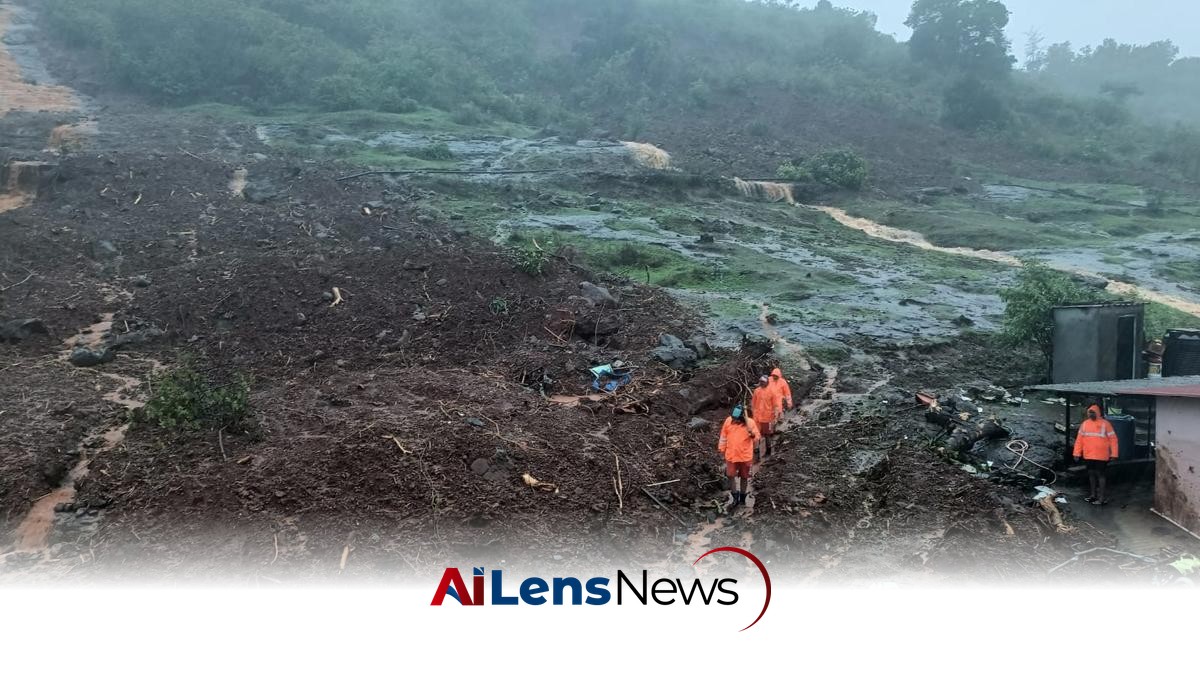


Maharashtra CM Devendra Fadnavis warns of potential cloudbursts as heavy rains persist, urging citizens to avoid travel amid flood management efforts.
New Delhi, India Jul 6, 2026 ALN: Maharashtra Chief Minister Devendra Fadnavis has issued a warning regarding the ongoing heavy rainfall in the state, predicting a possible cloudburst-like event in Nashik on Tuesday. He announced that the state machinery is on high alert as these heavy rains are expected to continue until July 8. The monsoon season in India typically spans from June to September, but it often brings unpredictable weather patterns, including intense rainfall that can lead to severe flooding and landslides.
During a press conference held after a review of the flood situation at the State disaster management control room, the Chief Minister advised citizens to refrain from unnecessary travel and to stay off the roads. This precaution comes as authorities work diligently to manage landslides, swollen rivers, and ongoing rescue operations. The state government has been proactive in its approach, mobilizing resources and personnel to mitigate the impact of the heavy rains.
“The weather situation until July 8 requires constant monitoring. There is a possibility of a cloudburst-like event in parts of Nashik tomorrow. We are keeping a close watch on the situation, and all agencies have been alerted,” Fadnavis stated. Cloudbursts are sudden and intense rainfall events that can lead to flash floods, especially in hilly areas. The risk of such occurrences increases during the monsoon season, particularly in regions like Nashik, which is known for its hilly terrain.
He further reported that certain stretches of the Ahmedabad-Mumbai Expressway have been closed due to water accumulation at construction sites, and restoration work is currently underway. The closure of major highways can severely impact transportation and logistics, leading to delays and disruptions in the supply chain. In Palghar district, another high tide expected later in the day could worsen waterlogging if rainfall resumes. The combination of high tides and heavy rainfall creates a precarious situation, particularly in coastal areas where drainage systems may be overwhelmed.
Heavy rainfall in the Western Ghats and Raigad district has caused major rivers, including the Savitri, to exceed danger levels. The Western Ghats, a UNESCO World Heritage site, plays a crucial role in influencing the monsoon weather patterns in the region. The dense forests and steep slopes can exacerbate the effects of heavy rainfall, leading to landslides and flash floods. Although desilting efforts have been implemented to prevent floodwaters from entering nearby towns, landslides have severely disrupted traffic. Landslides can block roads and railways, making it difficult for emergency services to reach affected areas.
“We are prepared for any eventuality and are coordinating with all relevant agencies to ensure public safety,” Fadnavis added. The coordination among various agencies, including the police, fire services, and local government bodies, is essential for effective disaster management. This ensures that resources are allocated efficiently and that citizens receive timely information and assistance.
As the situation develops, authorities are urging residents to stay informed and heed safety advisories. The ongoing monsoon season has already posed significant challenges, and the government is committed to managing the impacts effectively. The monsoon is a critical period for agriculture in Maharashtra, with many farmers relying on the rains for their crops. However, excessive rainfall can lead to crop damage and loss of livelihood for many agricultural workers.
In addition to the immediate effects of the heavy rainfall, there are also long-term implications for infrastructure and urban planning. The increasing frequency and intensity of monsoon rains highlight the need for better drainage systems and flood management strategies in urban areas. Cities like Mumbai have faced significant challenges due to inadequate drainage, leading to waterlogging and disruption of daily life during heavy rains. The urban infrastructure, designed to accommodate a certain level of rainfall, often struggles to cope with the sudden and intense downpours that characterize cloudbursts.
Moreover, climate change is contributing to the unpredictability of weather patterns, making it essential for governments to adapt their disaster preparedness and response strategies. This includes investing in sustainable infrastructure, improving early warning systems, and enhancing community awareness about disaster preparedness. The government may also need to consider long-term strategies for climate resilience, including the restoration of natural drainage systems, reforestation, and the preservation of wetlands, which can absorb excess rainfall.
The response to the current weather situation in Maharashtra will also likely involve collaboration with agencies, such as the Disaster Response Force (NDRF), which specializes in disaster management and response. The NDRF plays a crucial role in rescue operations during natural disasters, providing trained personnel and equipment to assist local authorities. Their involvement is vital in ensuring that affected communities receive immediate support, including food, shelter, and medical assistance.
As the state continues to grapple with the effects of heavy rainfall, the importance of community resilience cannot be understated. Local communities play a vital role in disaster response and recovery, and fostering a culture of preparedness can significantly mitigate the impacts of such events. Educational initiatives, community drills, and the establishment of local disaster response teams can empower citizens to take proactive measures during emergencies. Community engagement is essential not only in response efforts but also in recovery processes, ensuring that the needs of the most vulnerable populations are addressed.
In conclusion, the heavy rainfall in Maharashtra serves as a reminder of the challenges posed by the monsoon season and the need for comprehensive disaster management strategies. As the state remains on high alert, the focus will be on ensuring public safety, minimizing disruptions, and supporting those affected by the adverse weather conditions. The government's commitment to monitoring the situation and coordinating with various agencies will be crucial in navigating the challenges ahead. As the monsoon progresses, it will be essential for both government officials and citizens to remain vigilant, adapt to changing conditions, and work collaboratively to ensure the safety and well-being of all residents in the affected regions.
To learn more about the latest developments in Science & Environment, stay updated with our exclusive reports and analyses on AiLensNews.

