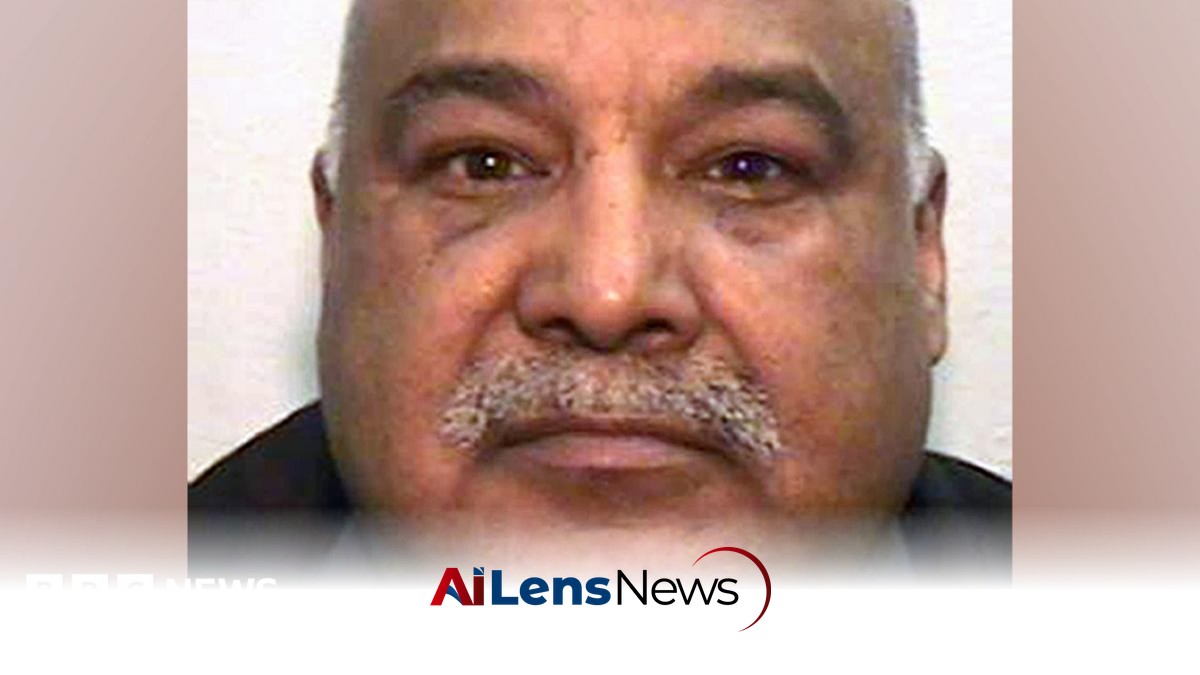



Shabir Ahmed, the ringleader of a Rochdale grooming gang, has been released from prison after serving a 22-year sentence for child sexual offences.
New Delhi, India Jul 2, 2026 ALN: The ringleader of a Rochdale grooming gang that targeted girls as young as 12 has been released from prison.
Shabir Ahmed, who was known as 'Daddy' by his victims, was jailed for 22 years in August 2012 for a range of child sexual offences including rape. His release marks a significant moment in a case that has drawn considerable public attention and outrage, highlighting ongoing concerns about the protection of vulnerable individuals in society.
This week, his victims were informed of his release on licence and, despite earlier assurances, he could not be deported due to a 55-year-old law. The implications of this law, which relates to the rights of Commonwealth citizens, have sparked a renewed debate about immigration policy, public safety, and the legal framework surrounding deportation.
The BBC understands that the 73-year-old left prison earlier this week and is now in secure accommodation, wearing a GPS electronically monitored tag. This measure is intended to closely monitor Ahmed's movements and ensure compliance with the strict conditions of his release, which include prohibitions on contacting his victims and any child or young person.
The Home Office has stated that any breach of Ahmed's strict licence conditions would result in his immediate return to prison. This statement underscores the seriousness with which authorities are treating the potential risks posed by Ahmed's release, as well as the commitment to protecting the public and particularly vulnerable individuals from further harm.
Earlier, ministers indicated that the government was exploring ways to have the child rapist deported to Pakistan. However, Downing Street has since clarified that there are no plans to amend the 1971 legislation, which has been cited as a barrier to Ahmed's deportation. The complexities surrounding this legal framework have raised questions about the effectiveness of current laws in dealing with serious offenders and the need for potential reforms.
A No 10 spokeswoman stated: "Ahmed's horrific crimes were at the heart of the grooming gangs scandal that represents one of the darkest moments in our country's history." This statement reflects the widespread acknowledgment of the profound impact that grooming gangs have had on communities, particularly in areas like Rochdale and Oldham, where these crimes were most prevalent.
"He will rightly be on the sex offenders register for life, ordered to stay away from his victims and banned from contacting any child or young person. His every movement will be tracked, and he will be forced to wear an electronic tag," the spokeswoman added. The measures in place are indicative of the government's efforts to manage the risks associated with Ahmed's release and to reassure the public that steps are being taken to mitigate potential threats.
Ahmed, who came to the UK in the late 1960s, held dual British and Pakistani citizenship at the time of his conviction. His British citizenship was revoked by the courts after he was jailed, and it was expected he would be deported upon completing his sentence. However, this expectation has been complicated by the provisions of the Immigration Act 1971, which have now been invoked to prevent his removal from the UK.
This week, victims of the gang were informed that provisions under the Immigration Act 1971 barred the removal of any Commonwealth citizen who arrived in the UK before 1973 and had been in the country for five years. This legal detail has raised significant concerns among victims and their advocates, who feel that the law should not be used to protect individuals who have committed heinous crimes.
On Wednesday, Andy Burnham, who is expected to take over as Labour leader and Prime Minister in the coming weeks, expressed on social media: "Like everyone, I want this vile criminal out of the country. Victims must come first." Burnham's comments reflect a broader sentiment among politicians and the public alike, emphasizing the need for justice and accountability in cases involving sexual violence against minors.
Burnham added, "I will ask the home and foreign secretaries to review all possible options - and they should consider nothing off the table." His call for a review indicates that there is political will to address the perceived shortcomings in the current legal framework and to explore avenues that might lead to a resolution that prioritizes the safety of the victims and the community.
The Home Office noted that the provisions of the 1971 act had "protected many individuals caught up in the Windrush crisis." However, the BBC understands there may be further updates from the Home Office this week, as discussions around potential amendments to immigration legislation continue to unfold.
Labour MP Jim McMahon, who represents a constituency in Oldham where some of the abuse occurred, stated that the 1971 act was intended to protect Commonwealth citizens who had come to the UK for a better life and who contributed to the country. He expressed concern that the law's current application does not align with its original intent, arguing, "It was not designed to give a free pass to a child rapist." McMahon's perspective highlights the tension between protecting individual rights and ensuring public safety, a balance that lawmakers must navigate carefully.
McMahon mentioned that the government wanted to "close the loophole" in the 1971 act, but legal advice was needed to determine whether any changes could apply retrospectively, allowing for Ahmed's deportation. This legal nuance presents a significant challenge, as retrospective legislation can raise complex constitutional and ethical questions.
The BBC understands that the government is considering whether the 1971 law could be amended through the Immigration and Asylum Bill, which is currently progressing through Parliament. The outcome of this legislative process could have far-reaching implications not only for Ahmed's case but also for future cases involving serious offenders from the Commonwealth.
Conservative Shadow Home Secretary Chris Philp stated he plans to propose his own amendment to the bill to remove the provisions preventing Ahmed's removal, noting that both McMahon and Waugh agreed that the law needs to change. This bipartisan acknowledgment of the need for reform suggests a growing consensus on the importance of addressing legal loopholes that may inadvertently shield serious offenders from justice.
Ahmed was the ringleader of a group of nine men who systematically groomed and sexually abused teenage girls in Rochdale and Oldham. The men offered the girls food and cigarettes, later providing them with alcohol before repeatedly raping them, often in flats above take-away restaurants. This predatory behavior has left deep scars on the survivors and their families, and the community continues to grapple with the aftermath of these crimes.
One survivor, identified as 'Ruby' to maintain her legal right to anonymity, expressed her fears: "Scared for my safety and my kids' safety. The main ringleader is getting out of prison, who is well known in Rochdale, Oldham and Middleton, so even if he's not in that area, he still knows people and has a chance to talk to people from that area and that makes me unsafe." Ruby's sentiments encapsulate the ongoing trauma experienced by survivors and the broader community, underscoring the need for continued vigilance and support for those affected by such crimes.
The release of Shabir Ahmed serves as a stark reminder of the complexities involved in addressing sexual violence, particularly in cases involving systemic abuse. As discussions continue around potential legal reforms and the need for enhanced protections for victims, it is crucial that the voices of those impacted by these crimes remain at the forefront of the conversation.
To learn more about the latest developments in Crime & Law, stay updated with our exclusive reports and analyses on AILensNews.

