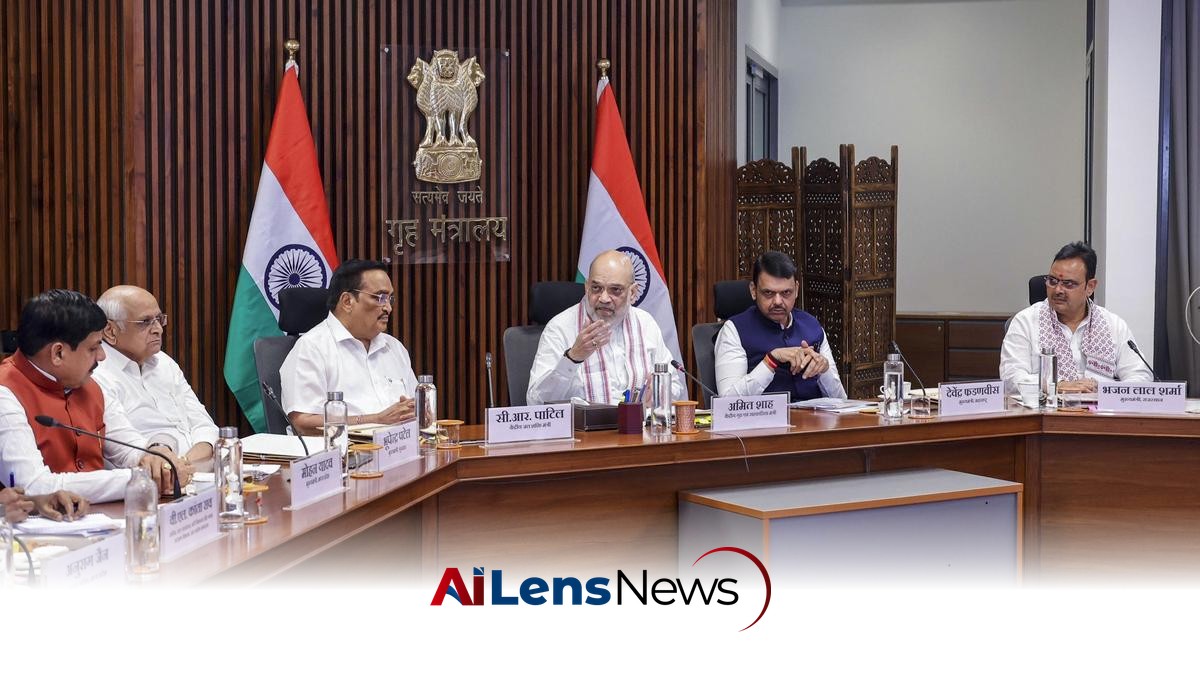


Maharashtra, Gujarat, Rajasthan, and Madhya Pradesh resolve long-standing payment issues related to the Narmada project through a one-time settlement.
New Delhi, India Jul 8, 2026 ALN: The States of Maharashtra, Gujarat, Rajasthan, and Madhya Pradesh reached an agreement on Tuesday, July 7, 2026, regarding the settlement of pending payment issues among the Narmada Award beneficiary States. This agreement signifies a critical step towards resolving long-standing disputes related to the financial aspects of the Narmada River development projects, particularly the Sardar Sarovar Project, which has been a focal point of regional development and inter-state relations since its inception.
The agreement was signed in the presence of prominent political figures, including Home Minister Amit Shah and Union Minister of Jal Shakti C.R. Patil. Chief Ministers Devendra Fadnavis (Maharashtra), Bhupendra Patel (Gujarat), Bhajan Lal Sharma (Rajasthan), and Mohan Yadav (Madhya Pradesh) were present to formalize the agreement, which is crucial for the cost-sharing arrangements related to the construction and maintenance of the Sardar Sarovar Project.
Background of the Narmada Project
The Narmada River, one of the major rivers in India, flows through several states and has been the subject of extensive development projects aimed at harnessing its waters for irrigation, drinking, and hydroelectric power. The Sardar Sarovar Project, initiated in the 1980s, is one of the largest dams built on the Narmada and has been pivotal in providing water and electricity to millions across Gujarat, Maharashtra, Rajasthan, and Madhya Pradesh. However, the project has also been controversial due to its environmental impact and the displacement of local communities.
The Narmada Award, established by the Narmada Water Disputes Tribunal in 1979, aimed to allocate the water resources of the Narmada River among the states. Despite the tribunal’s ruling, disputes over financial settlements and resource allocations have persisted. The recent agreement among the four states can be seen as a culmination of years of negotiations and discussions aimed at addressing these disputes and ensuring that the benefits of the Narmada Project are equitably shared.
Details of the Agreement
Under the terms of the newly signed agreement, the payments to be made towards the final settlement of pending dues have been resolved through a one-time settlement. This approach aims to eliminate the backlog of financial disputes that have hindered the effective implementation of the Narmada Project and its benefits. Home Minister Amit Shah highlighted that the issue of pending payments had remained unresolved for a long time, causing friction among the states involved. The resolution of these payments is expected to facilitate smoother cooperation in future projects and initiatives related to the Narmada River.
Shah noted that with the completion of the dam, water and electricity have reached every part of the four states, emphasizing the transformative impact of the project. The availability of water has not only improved agricultural productivity but has also enhanced the overall quality of life for residents in these regions. The agreement is expected to further bolster these benefits, enabling states to plan and execute development projects more effectively.
Implications for Agriculture and Local Economies
While the benefits accruing to Rajasthan may appear modest at first glance, the areas that have received Narmada waters have witnessed significant transformations in both land value and the fortunes of farmers. The introduction of irrigation facilities has allowed farmers to cultivate crops that were previously unviable, leading to increased agricultural output and income. This shift has the potential to uplift rural economies and improve food security in the region.
The Union Home Minister emphasized that the water resources, regardless of the state in which they are utilized, ultimately serve the people of the country, particularly farmers. This perspective underscores the importance of inter-state cooperation in managing water resources, which are becoming increasingly scarce due to climate change and population growth. The agreement not only addresses immediate financial concerns but also sets a precedent for collaborative water resource management among states.
Challenges Ahead
Despite the positive developments stemming from this agreement, challenges remain. The management of water resources in India has been fraught with complexities, including political disputes, environmental concerns, and the need for sustainable practices. As states continue to grapple with the impacts of climate change, ensuring equitable access to water will be critical. The successful implementation of the agreement will require ongoing dialogue and cooperation among the states involved, as well as the involvement of local communities who are directly affected by the Narmada Project.
Furthermore, the environmental implications of large-scale water projects like the Sardar Sarovar Dam cannot be overlooked. The displacement of communities and the ecological consequences of dam construction have been contentious issues that require careful consideration. Moving forward, it will be essential for the states to balance developmental goals with environmental sustainability to ensure that the benefits of the Narmada Project do not come at the expense of ecological health.
Conclusion
The agreement among Maharashtra, Gujarat, Rajasthan, and Madhya Pradesh represents a significant milestone in the management of the Narmada River and its resources. By resolving long-standing payment disputes, the states have taken a crucial step towards fostering cooperation and maximizing the benefits of the Sardar Sarovar Project. As the states move forward, it will be vital to maintain a focus on sustainable practices and equitable resource management to ensure that the Narmada River continues to serve as a lifeline for millions of people in the region.
The Broader Context of Water Resource Management in India
The Narmada River and its associated projects are not merely local issues; they reflect broader themes in India's water resource management landscape. India is home to numerous rivers, each with its own set of challenges and opportunities. The management of these water bodies often involves complex negotiations among states, especially when rivers cross state boundaries. This inter-state dynamic adds layers of complexity to water management, as states may have differing needs, priorities, and approaches to resource utilization.
Additionally, India's water resources are increasingly under threat from climate change, population growth, and industrial demands. The pressures on water supply are expected to intensify in the coming years, making cooperative management even more essential. The recent agreement among the four states can serve as a model for future negotiations over water resources, emphasizing the need for collaboration and shared responsibility in managing this vital resource.
Future Prospects for the Narmada Project
Looking ahead, the successful implementation of the agreement will be closely monitored by stakeholders, including local communities, environmental groups, and government agencies. The focus will be on ensuring that the benefits of the Narmada Project reach all intended beneficiaries while minimizing adverse impacts on the environment and local populations. The states will need to work together not only to manage financial arrangements but also to address ongoing concerns related to displacement, ecological sustainability, and community engagement.
Moreover, as technology and innovation continue to evolve, there may be opportunities to enhance the efficiency and sustainability of water use in agriculture and other sectors. Investments in modern irrigation techniques, rainwater harvesting, and water recycling can play a crucial role in maximizing the benefits of the Narmada Project while safeguarding the environment.
Final Thoughts
The agreement among Maharashtra, Gujarat, Rajasthan, and Madhya Pradesh marks a pivotal moment in the ongoing saga of the Narmada River and its resources. It highlights the importance of dialogue, negotiation, and cooperation in addressing complex inter-state issues. As the states embark on this new chapter, the lessons learned from their collaboration can inform future efforts to manage India's water resources more effectively and sustainably, ensuring that the needs of both people and the environment are met. The Narmada River, with its rich history and significance, will undoubtedly continue to be a vital lifeline for millions, and how it is managed will have lasting implications for the region's future.
To learn more about the latest developments in Politics, stay updated with our exclusive reports and analyses on AiLensNews.

