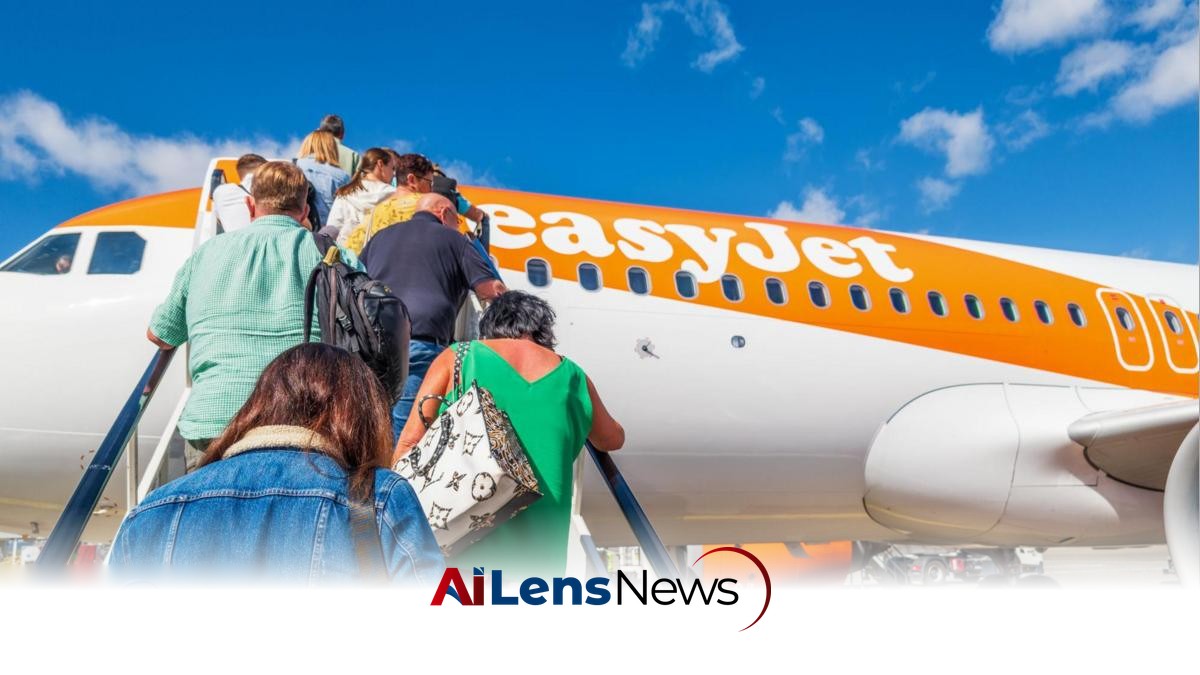


EasyJet has reached an agreement in principle with US investment firm Castlelake for a potential takeover worth approximately £5.2 billion.
New Delhi, India Jul 5, 2026 ALN: EasyJet has reached an agreement in principle with a US investment firm over a potential takeover offer worth around £5.2 billion.
The low-cost Luton-based airline had previously rejected four takeover offers from Castlelake, which owns a stake of about 2.14% in EasyJet through the funds it manages. The negotiations have been closely watched by investors and industry analysts, as they reflect broader trends in the aviation sector, particularly in the wake of the COVID-19 pandemic, which has significantly altered the landscape for airlines around the world.
Those offers had been valued at £6.50, £5.60, £6, and £6.25 per share, with EasyJet accusing Castlelake of attempting to acquire the airline "on the cheap." This sentiment underscores the ongoing tension between shareholders and management in situations where takeover bids are perceived as undervaluing a company's potential. The airline's board has been under pressure to ensure that any offer reflects the true value of the company, especially given its substantial operational scale and market presence.
On Sunday, EasyJet's board of directors and Castlelake announced they had reached an agreement in principle regarding a proposal made on 4 July, which is worth £6.90 per share. This valuation, while an improvement over previous offers, still requires careful consideration from EasyJet’s board and shareholders. The increase in the offer price may indicate Castlelake's recognition of the need to provide a more compelling proposal to gain the support of EasyJet's stakeholders.
However, this agreement does not confirm a deal. Castlelake must still obtain regulatory clearances and necessary approvals for the transaction to proceed. The complexities of such an acquisition are heightened by the existing regulatory framework governing airline ownership in Europe. A significant regulatory hurdle is that EasyJet is a European company, requiring it to be 51% owned by a European entity under EU rules. This stipulation is designed to ensure that European airlines are primarily controlled by European interests, which is a critical factor in maintaining the integrity and competitiveness of the European aviation market.
Although Castlelake is a US firm, it has previously indicated its commitment to comply with this requirement. This willingness to navigate regulatory challenges reflects Castlelake's strategic interest in EasyJet and highlights the importance of regulatory compliance in cross-border acquisitions. The firm has until 17:00 BST on 3 August to either announce a firm intention to make an offer or declare that it does not intend to proceed. This timeline adds a layer of urgency to the negotiations, as both parties must work diligently to finalize the terms of the potential deal.
If an offer is made, it will need to be presented to shareholders for a vote. This process is critical, as shareholders hold the ultimate decision-making power regarding the acceptance of any takeover offer. EasyJet's board stated that the financial terms of the proposed offer "are at a value that the Board would be minded to recommend to EasyJet shareholders," should a firm offer be made. This statement indicates that the board is open to the possibility of accepting the proposal, provided that it aligns with their assessment of the company's future prospects and strategic direction.
As one of Europe's largest airlines, EasyJet employs over 19,000 people and operates approximately 1,200 routes across 35 European countries. The airline's extensive network and operational capabilities make it a significant player in the European aviation market. The potential takeover is not just a matter of financial valuation; it also involves considerations about job security for employees, the airline's operational strategy, and its competitive positioning in a recovering travel industry.
The airline has previously noted that its share price has been "temporarily depressed," partly due to the impact of the US-Israel war with Iran on the travel sector. Geopolitical tensions and conflicts can have far-reaching implications for the aviation industry, affecting travel demand, operational costs, and overall market sentiment. The repercussions of such events can lead to fluctuations in airline stocks, as seen in EasyJet’s case, where its shares closed at £5.58 each on Friday. Prior to the first bid emerging in June, EasyJet's stock had fallen by more than 30% over the past year, reflecting the broader challenges faced by the airline sector during this period of uncertainty.
Castlelake manages assets worth $36 billion (£27.3 billion). This substantial financial backing positions Castlelake as a formidable player in the investment landscape, capable of supporting EasyJet's growth and transformation initiatives. The firm’s involvement could potentially bring new capital and strategic direction to EasyJet, particularly as the airline seeks to recover and thrive in a post-pandemic environment.
In announcing the agreement in principle, EasyJet stated that Castlelake had "emphasised its tremendous respect for EasyJet and its people, along with its intention to support its future growth and transformation to a stronger, more resilient European airline." This commitment to supporting EasyJet's future is crucial, as it suggests that Castlelake is not solely focused on financial returns but also on the long-term sustainability and success of the airline. Such a perspective is vital in an industry that has faced unprecedented challenges, and it may resonate positively with EasyJet's workforce and customer base.
In conclusion, the potential takeover of EasyJet by Castlelake represents a significant development in the airline industry, highlighting the complexities of mergers and acquisitions in a highly regulated environment. The outcome of this agreement in principle will depend on various factors, including regulatory approvals, shareholder support, and the broader economic context. As the situation evolves, stakeholders will be keenly observing how this potential partnership could reshape EasyJet's future and influence the competitive dynamics of the European aviation market.
To learn more about the latest developments in Economy, stay updated with our exclusive reports and analyses on AiLensNews.

