

Congress general secretary Jairam Ramesh calls on NDA-ruled States to resist the VBSA Bill, citing concerns over centralisation and reduced university autonomy.
New Delhi, India Jul 11, 2026 ALN: On July 10, 2026, Congress general secretary (communications) Jairam Ramesh made a significant appeal to the states governed by the Democratic Alliance (NDA), particularly focusing on Andhra Pradesh, urging them to oppose the proposed Viksit Bharat Shiksha Adhishthan 2025 Bill (VBSA Bill). This bill is set to be discussed during the upcoming Monsoon Session of Parliament, and it has sparked considerable debate regarding its implications for higher education in India.
The VBSA Bill has been a focal point of contention among various political factions, particularly due to its perceived centralization of authority over higher education. Ramesh referenced a report from a Joint Parliamentary Committee (JPC) that has been examining the bill, highlighting that several NDA-ruled states have raised objections to its provisions. These objections primarily stem from concerns that the bill would lead to an increase in the central government's control over higher education, undermining the autonomy of state governments and educational institutions.
In his statement, Ramesh emphasized the need for NDA-ruled states to formally document their dissent against the bill, which he derogatorily labeled as the "Very Bad Shiksha Act." His comments were particularly pointed towards Andhra Pradesh, which he identified as having articulated some of the strongest concerns regarding the draft legislation. This appeal serves not only as a call to action for state governments but also as a strategic move by the Congress party to galvanize opposition against the central government's educational policies.
One of the primary arguments presented by Ramesh is that the VBSA Bill exceeds the constitutional powers allocated to Parliament under Entry 66 of the Union List, which is specifically limited to the coordination and determination of standards in higher education. Ramesh contends that the proposed framework encroaches on the powers that rightfully belong to state governments, particularly regarding the incorporation, regulation, and winding up of universities. This centralization of authority raises alarms about the potential erosion of state rights in managing their educational institutions.
Moreover, Ramesh criticized the proposed structure of the bill for lacking a dedicated grants council. The Education Policy (NEP) of 2020 had suggested the establishment of a Higher Education Council of India, which would consist of four verticals, including one specifically for grant allocation. However, the VBSA Bill only proposes three councils, which Ramesh argues would result in a significant shift of grant disbursal powers from established bodies like the University Grants Commission (UGC) and the All India Council for Technical Education (AICTE) to the Union Education Ministry. This shift is seen as increasing central control over funding and resources, further diminishing the autonomy of educational institutions.
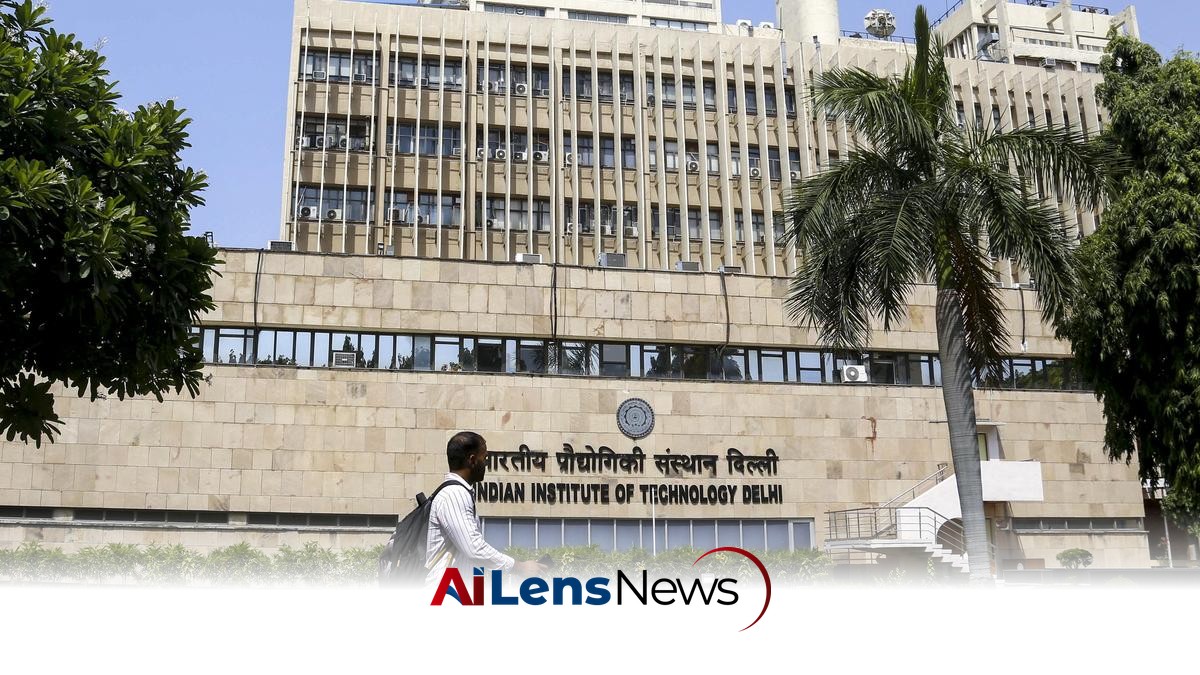
Ramesh's concerns are not limited to the general structure of the bill; they extend to its implications for prestigious Institutes of Importance, such as the Indian Institutes of Technology (IITs), Indian Institutes of Management (IIMs), Institutes of Technology (NITs), Indian Institutes of Information Technology (IIITs), and Indian Institutes of Science Education and Research (IISERs). These institutions currently enjoy a high degree of autonomy under existing laws, which allows them to operate with a level of independence that is crucial for their innovative and academic pursuits.
A particularly worrying provision in the VBSA Bill is one that grants it overriding authority over other laws. Ramesh argues that this could subject these autonomous institutions to the regulatory control of the newly proposed commission, thereby undermining their established independence. This potential shift in governance could have far-reaching consequences for the quality and direction of higher education in India, as it may impose a one-size-fits-all regulatory framework on diverse institutions.
Another critical aspect of Ramesh's critique focuses on the proposed bill's impact on existing consultative mechanisms established under the UGC Act. The UGC currently mandates consultation with universities on matters pertaining to standards, regulations, and inspections. However, the VBSA Bill appears to dilute this requirement, granting considerable powers to the new councils to establish standards, conduct inspections, and exercise regulatory functions without a similar statutory obligation to consult with educational institutions.
This lack of consultation could lead to decisions being made without the input of those who are directly affected by them, potentially resulting in policies that do not adequately address the unique needs and challenges faced by different educational institutions across the country. The implications of such a shift could be detrimental to the quality of education, as institutions may find themselves constrained by regulations that do not align with their specific contexts.
In conclusion, the Congress party's opposition to the VBSA Bill underscores significant concerns regarding the autonomy of educational institutions and the potential overreach of central authority in higher education. The call to NDA-ruled states, particularly Andhra Pradesh, to resist the bill reflects a broader political strategy aimed at uniting various factions against perceived centralization and erosion of state powers.
The ongoing discourse surrounding the VBSA Bill not only highlights the contentious nature of educational policy in India but also raises fundamental questions about the balance of power between the central and state governments. As the Monsoon Session of Parliament approaches, the outcomes of these discussions will be closely watched, as they could set a precedent for the future governance of higher education in the country.
To learn more about the latest developments in Politics, stay updated with our exclusive reports and analyses on AiLensNews.

