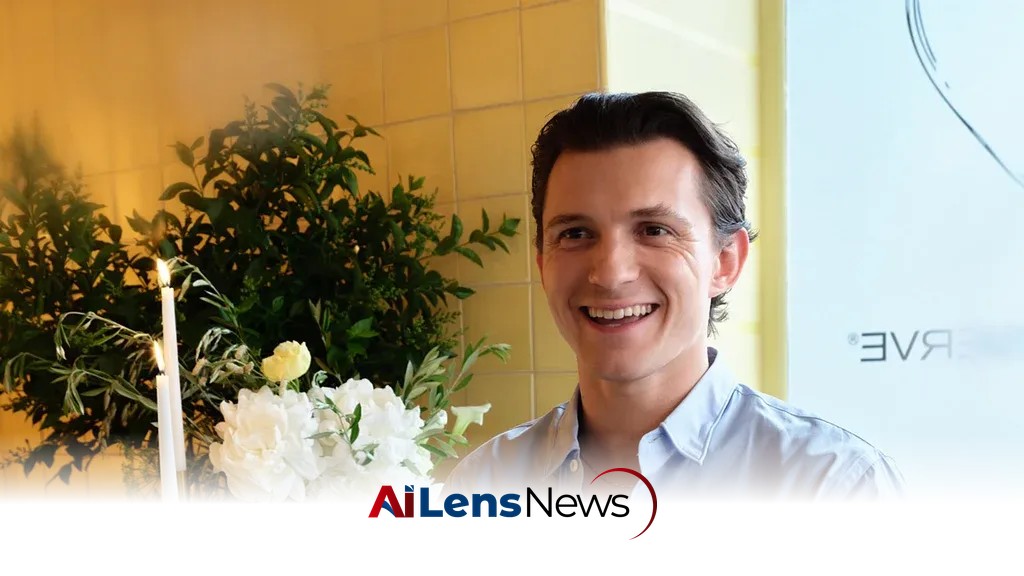


Actor Tom Holland's nonalcoholic beer brand, Bero, is thriving amid a growing trend of sober living, with significant sales growth and innovative marketing strategies.
Washington DC, United States Jul 13, 2026 ALN: At a restaurant in lower Manhattan in mid-June, actor Tom Holland holds court with influencers and publicists. But the sheer number of beverage industry insiders means that he isn’t here to promote his upcoming return to the big screen as Spiderman. He’s talking up Bero—the nonalcoholic beer brand he started in 2024, two years after the actor’s successful dry January sparked an interest in a sober lifestyle.
Holland isn’t the only one opting for nonalcoholic options: approximately 30% of Americans are reducing their alcohol intake, and alcohol sales have plummeted since 2020. This shift reflects a broader cultural change in how society views alcohol consumption, particularly among younger generations who are more health-conscious and mindful of their lifestyle choices.
Meanwhile, the nonalcoholic industry—and Bero—is exploding. Holland and Herman’s brand made nearly $10 million in its first year of sales, and its 2026 revenue is projected to more than double as distribution expands and the brand launches new products, such as its shandy line and tie-in with The Odyssey. This rapid growth is indicative of a larger trend where nonalcoholic beverages are becoming mainstream rather than niche products.
“When we first started the company, if you would have said that we’d be closing a deal that opens over 3,000 doors in an evening, I would have laughed at you,” Holland says. “To be there today is super exciting.” This excitement is not just about personal success, but also about how Bero is contributing to a significant shift in consumer behavior.
Whether protecting their livers or preventing a painful hangover, more consumers than ever are dodging alcohol’s harmful side effects. As Americans search for alternatives, the market for nonalcoholic beer, wine, and spirits is exploding. Between 2021 and 2025, sales of zero-proof products grew by 111% and dollar sales went up by 159%, according to the Brewers Association, a trade group representing small and independent craft brewers. This growth is not just a fleeting trend, but rather a reflection of changing attitudes towards alcohol consumption.
Marten Lodewijks, president of drinks market analysis firm IWSR, attributes the growth in demand for nonalcoholic options to greater awareness of alcohol’s health drawbacks, inflation curbing spending on alcohol, and improving quality of non-intoxicating products. The increasing visibility of sober living advocates and the normalization of alcohol-free gatherings have also played a crucial role in this cultural shift.
“When they first started to really take off, I think there was a view that this might just be a short-term thing, that it’s a bit of a fad,” Lodewijks says. “What’s been probably more surprising to the industry is the consistency and the longevity.” This longevity suggests that nonalcoholic options are not merely a response to temporary circumstances, but rather a fundamental change in consumer preferences.
Beer leads the zero-proof market with over 500 brands in the US alone. Independent brands like Athletic Brewing and Best Day Brewing led the charge, with big names like Heineken, Guinness, and Samuel Adams following suit. This competition has not only legitimized the nonalcoholic beer segment but has also improved the quality and variety available to consumers.
To compete with “the big guys,” Lodewijks says dedicated nonalc companies need to focus on scaling their distribution efforts. With Bero, Holland and Herman have been intentional about scaling at retail while also stepping up presence in restaurants and bars. This dual approach allows Bero to reach a broader audience, catering to both consumers who prefer to shop in stores and those who enjoy socializing in public settings.
Bero launched online in late 2024 before hitting the shelves of 1,200 Target locations nationwide. As its retail profile grew, the brand also expanded to bars and pubs across the U.S. and the U.K. While retail is still its key strength, Bero is widely available at New York staples like Soft Bar and Barfly. This strategic placement in popular venues enhances brand visibility and aligns with the growing trend of socializing without alcohol.
Now it’s well-positioned to be part of the World Cup experience for soccer fans who don’t indulge in alcohol but enjoy the experience of watching with others at the local bar. This positioning reflects a broader cultural acceptance of nonalcoholic options in traditionally alcohol-centric environments, such as sports events.
“Football matches have a reputation for being a pretty boozy affair,” says Holland. “We can be present in those moments in bars, pubs, restaurants, hotels where people want to blend in and be part of that cultural, social experience, but don’t necessarily want to drink.” This approach highlights Bero's commitment to inclusivity and its aim to create a social environment for everyone, regardless of their drinking preferences.
Bero’s presence alongside World Cup watch parties fits with the other ways Holland has worked to position it as a lifestyle brand for people who socialize around sports. The brand is not just about providing a beverage option; it aims to foster a sense of community and belonging among consumers.
Since last year, Bero has hosted live events around sports like the first Bero Padel Classic in London in 2025. In April, Holland hosted the second annual tournament in Sherman Oaks, California, in partnership with Chase Sapphire Reserve for Business (Holland stars in ads for the card, touting its benefits for small businesses). Holland says the partnership is set to continue, with the brand hosting more, similar events in the coming year. These events not only promote the brand but also reinforce its identity as a community-focused lifestyle brand.
Whether through sports or casual sips, Holland says Bero is all about creating cultural moments of belonging. The brand’s strategy revolves around making connections and providing a platform for social interaction without the pressure of alcohol consumption.
“Bringing people together like that is exactly why we started the company,” says Holland. “The more events we can put on, the more people we can bring together and showcase our lovely beers, the better.” This vision aligns with the growing demand for nonalcoholic options and reflects a significant shift in consumer behavior that prioritizes health, wellness, and social inclusivity.
To learn more about the latest developments in Food & Cuisine, stay updated with our exclusive reports and analyses on AiLensNews.

