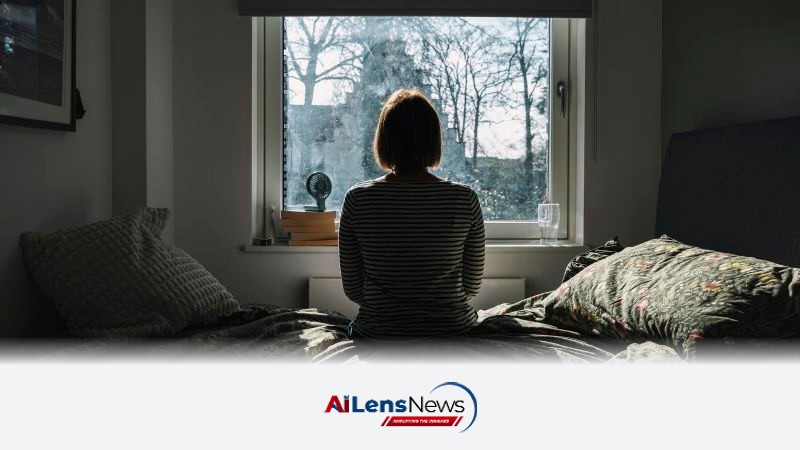



Loneliness influencers are reshaping perceptions of solitude, showing that being alone can foster community and self-acceptance, despite some criticism.
Washington DC, United States Aug 24, 2026 ALN: In today's digital age, the emergence of 'loneliness influencers' has sparked a conversation about solitude and community. These social media creators, often women, embrace their solitary lifestyles and share their experiences online, challenging the stigma associated with being alone. This phenomenon is particularly relevant in a world where social media platforms have become integral to daily life, providing a space for individuals to connect, share, and express themselves.
One such influencer, Sarah-Jane Hoadley, documents her life as a single woman in her 40s living alone in a small studio apartment. Her content resonates with many, as she shares her daily routines, from making instant coffee to cozy evenings spent with her cat. Since launching her account in January, Hoadley has garnered over 100 million views and 500,000 followers across platforms like TikTok and Instagram. This rapid growth highlights a significant interest in content that portrays solitude in a positive light, suggesting that many individuals are seeking validation for their own experiences with loneliness.
Dr. Lauren Cook, a clinical psychologist, notes that while men also experience loneliness, women may be more inclined to share their feelings due to less stigma surrounding mental health. This observation points to a broader trend where women are often more open about their emotional experiences, creating a space for discussions that can lead to greater understanding and support. Hoadley reflects on her weekends, stating, "When I leave work on Friday to when I go back on Monday, I don’t get WhatsApps. I don’t get any phone calls, but I’m not pining for something." This perspective highlights a growing acceptance of solitude as a valid lifestyle choice, encouraging others to view their own solitary moments through a different lens.
However, the rise of loneliness influencers is not without controversy. Critics argue that these creators romanticize isolation, potentially encouraging unhealthy behaviors, especially among younger audiences. Phil Lane, a psychotherapist, warns that such portrayals may lead to a hyper-independent lifestyle, particularly for Generation Z, often labeled the "loneliest generation." This demographic has been characterized by high levels of anxiety and depression, with social media playing a complex role in both fostering connections and exacerbating feelings of isolation. The concern is that by glorifying solitude, loneliness influencers may inadvertently contribute to a sense of disconnection from social networks that are crucial for mental health.
Despite the criticism, some experts advocate for a more nuanced view of solitude. They argue that the key lies in whether individuals feel aligned with their personal values. Dr. Cook emphasizes, "What matters most is that the person feels like they’re living in alignment with their personal values — and not necessarily for us to say if that lifestyle is right or wrong." This perspective allows for a broader understanding of loneliness, recognizing both its challenges and potential benefits. The idea that solitude can be empowering and fulfilling for some individuals is a vital part of this conversation, as it underscores the importance of personal choice in defining what a meaningful life looks like.
While loneliness influencers have gained popularity, the concept of solitary living is not new. Influencers like Lana Isa have been sharing their experiences for years, showcasing how they spend their weekends alone. Isa's 'solo vlog' series highlights the beauty of solitude, encouraging others to find peace in their own company. Her content often includes activities like reading, cooking, and engaging in hobbies, portraying a lifestyle that values self-discovery and personal growth. This representation contrasts with the negative connotations often associated with loneliness, suggesting that solitude can be a source of strength rather than weakness.
As the conversation around loneliness continues to evolve, it is essential to recognize the diverse experiences individuals have with solitude. For some, being alone can bring a sense of peace and clarity, while for others, it may lead to feelings of isolation and despair. The narratives shared by loneliness influencers are reshaping societal perceptions and fostering a sense of community among those who identify with these experiences. This shift is particularly significant in a society that often equates solitude with sadness, challenging the notion that being alone is inherently negative.
Ultimately, the rise of loneliness influencers reflects a broader cultural shift towards embracing solitude as a legitimate lifestyle choice. As more individuals share their stories, the stigma surrounding loneliness may diminish, paving the way for a more inclusive understanding of what it means to live alone. This cultural transformation could have profound implications for mental health awareness and social support systems, encouraging a more compassionate approach to those who find themselves alone.
Moreover, the visibility of loneliness influencers can serve as a catalyst for discussions about mental health, prompting individuals to consider their own relationships with solitude. It may encourage viewers to reflect on their feelings about being alone, whether they view it as a time for self-reflection or as a source of anxiety. As society grapples with the complexities of loneliness, influencers like Hoadley and Isa play a critical role in normalizing these conversations, fostering a sense of belonging for those who may feel isolated in their experiences.
In conclusion, the rise of loneliness influencers is a multifaceted phenomenon that encapsulates the challenges and opportunities presented by solitude in the modern world. As these creators continue to share their journeys, they not only provide a voice for those who resonate with their experiences but also contribute to a broader dialogue about loneliness, mental health, and the importance of community in an increasingly digital age.
To learn more about the latest developments in Mind & Soul, stay updated with our exclusive reports and analyses on AILensNews.

