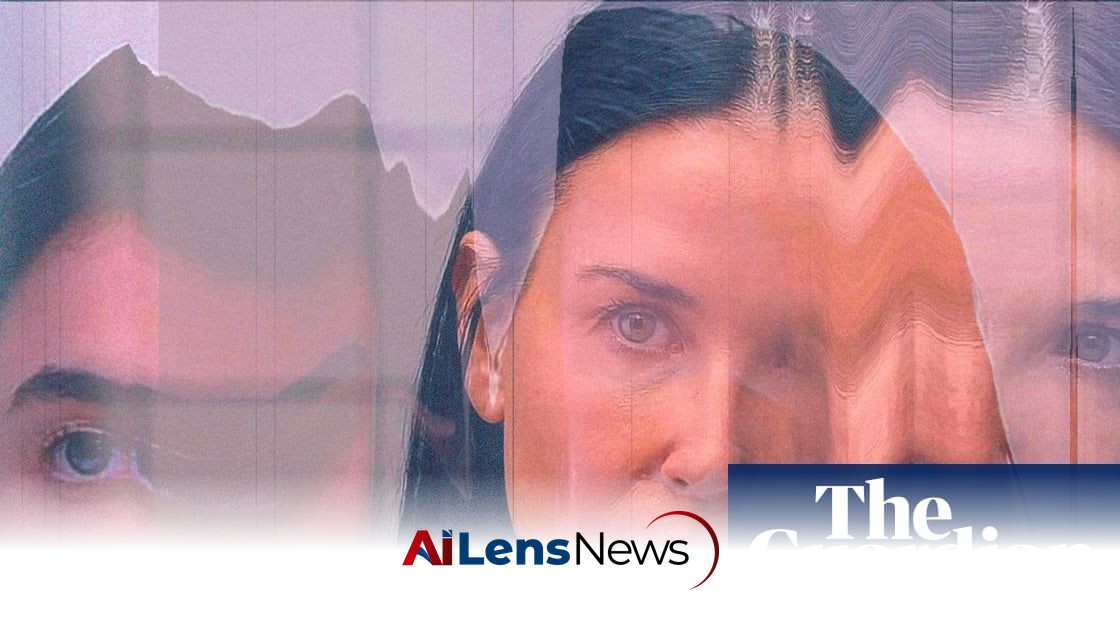


As society embraces anti-ageing technologies, the underlying ageism remains pervasive. This article explores the cultural pressures and scientific claims surrounding longevity.
London, United Kingdom Jul 14, 2026 ALN: In recent years, the concept of longevity has gained significant traction, with rapid scientific advancements promising to halt the aging process. However, beneath these enticing claims lies a pervasive fear of aging that reflects deeper societal issues. Andrea, a PhD holder in literature from Dallas, epitomizes this struggle as she grapples with the pressure to maintain a youthful appearance in a culture that idolizes youth.
“You don’t know what it’s like here,” Andrea remarked. “Everyone has a facelift if they can afford one and everyone has had some work done. I’m a feminist to the core, but if I had the money, I would get a deep-plane facelift in a heartbeat. I’m saving up to get my neck done.” Despite her vibrant appearance, Andrea feels compelled to conform to societal standards of beauty, a sentiment echoed by many women of her generation. This pressure is not merely personal; it is a reflection of a broader cultural narrative that equates youth with beauty and value.
Dr. Sarah Lamb, an anthropologist at Brandeis University, has researched the cultural pressures surrounding aging for over a decade. Her findings reveal that many individuals, particularly in affluent areas, are devoted to a regime of anti-aging practices, striving to maintain a youthful self-concept frozen in time, typically around the age of 35-40. This fixation on youth has created a binary perception of aging, where individuals feel they can either succeed or fail at aging well. The implications of this are profound, as it fosters a culture of competition among individuals to remain youthful, often leading to anxiety and dissatisfaction.
As a medical anthropologist, I empathize with Andrea and Dr. Lamb’s subjects. The tools available today to combat aging are more sophisticated than ever, from advanced skincare products to surgical interventions. However, this technological progress has not alleviated the societal stigma associated with aging; rather, it has intensified it. The marketing of anti-aging products often perpetuates ageism, framing aging as a condition to be battled rather than a natural part of life. This framing can lead to a cycle of consumption, where individuals feel compelled to invest in products and procedures that promise to restore their youth, often at a significant financial and emotional cost.
Historically, attitudes toward aging have shifted dramatically. In the 1600s and 1700s, older individuals were often revered, as noted by sociologist Dr. Deborah Carr in her book "Aging in America." These earlier societies tended to value the wisdom and experience that came with age, often placing elders in positions of authority and respect. However, the rise of industrialization and a youth-centric culture in the 19th century led to a decline in the social standing of older adults. By the mid-1800s, derogatory terms for the elderly became commonplace, reflecting a societal shift toward negative stereotypes of aging. This change marked the beginning of a long-standing trend where youth became synonymous with productivity, beauty, and desirability, while aging was increasingly seen as a burden.
The scientific exploration of aging began to take shape in the early 20th century, with Russian scientist Elie Metchnikoff coining the term gerontology. His belief that science could prolong life set the stage for the modern anti-aging movement, which gained momentum in the latter half of the 20th century as medical advancements allowed more people to reach old age. This period saw the emergence of a new consumer market focused on anti-aging products and services, which capitalized on the fears surrounding aging and mortality.
Today, longevity culture represents the latest iteration of anti-aging ideology. Institutions like Harvard’s Sinclair Lab are at the forefront of research aimed at reprogramming cells to reverse aging. While the desire to live healthily for as long as possible is understandable, the rhetoric surrounding longevity often implies that death is an avoidable outcome, which is fundamentally ageist. This perspective can lead to a devaluation of the lives of older individuals, as it suggests that their worth diminishes with age, and that only those who can afford the latest scientific advancements are deemed worthy of a long, healthy life.
Cultural critic Jessica DeFino challenges this framing, arguing that the term "longevity" is merely a rebranding of traditional anti-aging ideology. Following the fashion magazine Allure's decision to eliminate the term "anti-aging" from its lexicon, the industry pivoted to new terminology, emphasizing scientific validation while maintaining the same underlying principles. This shift highlights how language plays a crucial role in shaping societal attitudes toward aging, as it can either reinforce or challenge existing stereotypes.
The anti-aging industry, valued at approximately $78 billion, thrives on the notion that aging is something to be feared and fought against. This perspective not only commodifies aging but also fosters a culture of perpetual dissatisfaction with one’s appearance. DeFino points out that terms like "pro-aging" and "preventative aging" are often used to mask the same ageist sentiments that underpin traditional anti-aging marketing. These phrases may appear to promote a more positive view of aging, yet they still operate within a framework that prioritizes youthfulness as the ideal.
Moreover, the obsession with youthfulness is not confined to older generations. Younger individuals, including Gen Z and Gen Alpha, are increasingly exposed to ageist beauty standards through social media platforms. The messaging often frames aging as a battle, reinforcing the idea that any sign of aging is a failure. This can lead to a toxic cycle where young people feel pressured to conform to unrealistic standards of beauty and youth, resulting in anxiety, low self-esteem, and a distorted self-image.
As we navigate this complex landscape, it is crucial to address the societal implications of ageism. DeFino emphasizes the need to combat the notion that looking younger equates to higher social status and greater opportunities. This perspective is echoed by Dr. Lamb, who advocates for a shift in how society perceives aging. Instead of viewing aging as a decline or a failure, society should celebrate the contributions and experiences of older individuals, recognizing their value and wisdom.
In conclusion, while advancements in science and technology offer promising avenues for enhancing health and longevity, they must not come at the cost of perpetuating ageist attitudes. Embracing aging as a natural part of life, rather than a condition to be fought against, is essential for fostering a more inclusive and compassionate society. As we continue to explore the intersection of aging and culture, it is imperative to challenge the narratives that frame aging as a failure and instead celebrate the richness of life at every stage. By doing so, we can create a more equitable society that values individuals for their unique contributions, regardless of age.
To learn more about the latest developments in Health & Wellness, stay updated with our exclusive reports and analyses on AiLensNews.

