

This article explores the societal pressures surrounding ageing and the appeal of cosmetic procedures, advocating for a more positive view of growing older.
Abu Dhabi, United Arab Emirates Jul 25, 2026 ALN: It's an odd sensation to look in the mirror and have an older version of yourself stare back that no longer quite matches the one you carry around in your mind.
Mine has acquired fine lines, softer contours and the unmistakable slip of age. Yet the woman I imagine myself to be remains stubbornly unchanged. She is still energetic, curious and, if not exactly young, then certainly younger than her reflection suggests. Reconciling the two is harder than I expected.
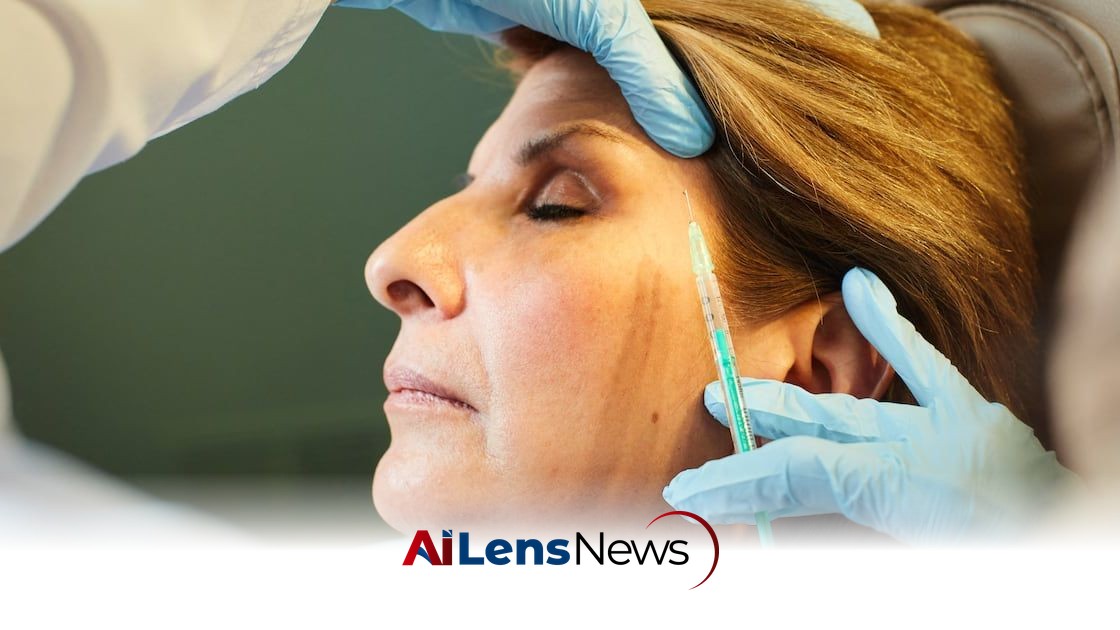
Which is why I understand the appeal of cosmetic treatments. I have often been tempted to book an appointment for fillers, Botox, or the other modern aesthetics that have become as mainstream as going to the gym. The global market for cosmetic procedures has expanded dramatically over the last few decades, reflecting a cultural shift toward valuing youthfulness and beauty. In 2020 alone, the American Society of Plastic Surgeons reported that nearly 18 million cosmetic procedures were performed in the United States, a testament to the pervasive desire for aesthetic enhancement.
I don't judge those who choose it; quite the opposite. Growing older requires a continual negotiation between identity and appearance, and the gap between the two can feel startlingly wide at times. As one grappling with some of the same insecurities, I understand the desire for some magic potion to wipe away the years. Yet, in the words of the American comedian Dustin Anderson, who, speaking about cosmetic “tweakments”, observed: “You can either look old or you can look weird. But you will never look younger. That's gone now.”
The remark hits home because it contains an uncomfortable truth. Youth is about smooth skin and high cheekbones. Cosmetic medicine can soften time's fingerprints, but it will never roll back the clock. Which, for me, begs the question why so many of us – women, in particular – seem compelled to pursue the unobtainable. The societal standards of beauty often create an unrealistic benchmark that can lead to feelings of inadequacy, especially as one ages. This phenomenon is exacerbated by the constant exposure to idealized images in media, advertising, and social platforms, where youth is often equated with beauty, desirability, and success.
This is not about shaming people for the choices they make, but rather about questioning why so many of us feel compelled to take this route. Why have so many smart and savvy adults drunk the same youth-obsessed Kool-Aid? The pressure is subtle. Nobody will tell you to erase your age, yet those who do are rewarded. We have all seen the overly smooth foreheads, the mouth stretched a fraction too wide. The normalization of these alterations can create a culture where aging gracefully is overshadowed by the pursuit of a youthful appearance.
Nowhere is this more evident than Hollywood, which exists like some living Picture of Dorian Grey, increasingly filled with vague facsimiles of famous stars. Yes, Demi Moore looks amazing for 63, but she no longer looks like Demi Moore. Ditto Nicole Kidman. And don't get me started on Madonna. The entertainment industry has long been criticized for its unrealistic portrayals of beauty and age, often favoring youth over experience. This has led to a cycle where actresses feel pressured to conform to these standards, sometimes at the expense of their authenticity and individuality.
Semaglutides such as Ozempic or Wegovy allow us to shrink ourselves to impossible sizes, as fillers plaster over the cracks. Yet, inevitably, there comes a point when the pursuit is more visible than the ageing it attempts to disguise. This raises an important conversation about the implications of these beauty standards on mental health and self-esteem. The pursuit of an unattainable ideal can lead to a cycle of dissatisfaction, where individuals may constantly feel inadequate despite their efforts to conform.
I feel we have forgotten there is another way to approach growing older. It has brought losses, certainly. My body is less familiar than it once was, and there are mornings when gravity appears to have worked overtime while I slept. Despite this, I am with Mark Twain, who reportedly once said: “Do not complain about growing old. It is a privilege denied to many.” This perspective invites us to consider the value of aging not merely as a decline, but as a journey filled with wisdom, experience, and resilience.
We all know people who didn't make it. Manish, a boy at my school, was just 11 when he died, while Rachel was only 21. Becky was barely in her early thirties, and Mohannad didn't see his 40th birthday. Compared to the alternative, how can I in good conscience complain about saggy jowls? I prefer to think I owe it to those who won't get to experience it, to embrace ageing and all its imperfections. This recognition can foster a deeper appreciation for life and the moments that truly matter, shifting the focus from appearance to the richness of experience.
And this physical evolution is not all grim – far from it. Ageing has also brought freedoms I could never have anticipated, such as invisibility. Every woman will recognize the observation that is part of her existence. From adolescence onwards, she is constantly aware of being looked at, assessed and commented upon, as if her exterior belongs to others. This societal gaze can be burdensome, leading to a heightened sense of self-consciousness and pressure to conform to external expectations.
Then, ageing happens, and that same gaze moves on. At first, the invisibility felt unsettling, but it brought liberation in its wake. For perhaps the first time, I now experience the world as I imagine men do. Interactions no longer have a subtext, making everyday conversations lighter and simpler. It’s completely empowering. This newfound freedom allows for a more authentic self-expression, unencumbered by the weight of societal expectations regarding beauty and desirability.
And this has made me think differently about ageing itself. Humans are one of only a handful of species known to experience menopause. Among the thousands of mammal species, only six, including orcas and pilot whales, have evolved for females to outlive their reproductive usefulness. This fact invites a broader understanding of aging beyond the physical realm, emphasizing the unique human experience that encompasses emotional and psychological growth. The process of aging can lead to a deeper sense of self, an understanding of one’s place in the world, and a connection to the wisdom that comes with lived experience.
In conclusion, rejecting the myth of youth does not equate to resigning oneself to decline. Instead, it is an invitation to embrace the complexities of aging, to celebrate the journey, and to recognize the strength that comes with each passing year. As we navigate the challenges and joys of growing older, it is essential to foster a culture that values experience and wisdom over superficial beauty. By doing so, we can create a more inclusive narrative around aging, one that honors the richness of life at every stage.
To learn more about the latest developments in Home & Living, stay updated with our exclusive reports and analyses on AiLensNews.

