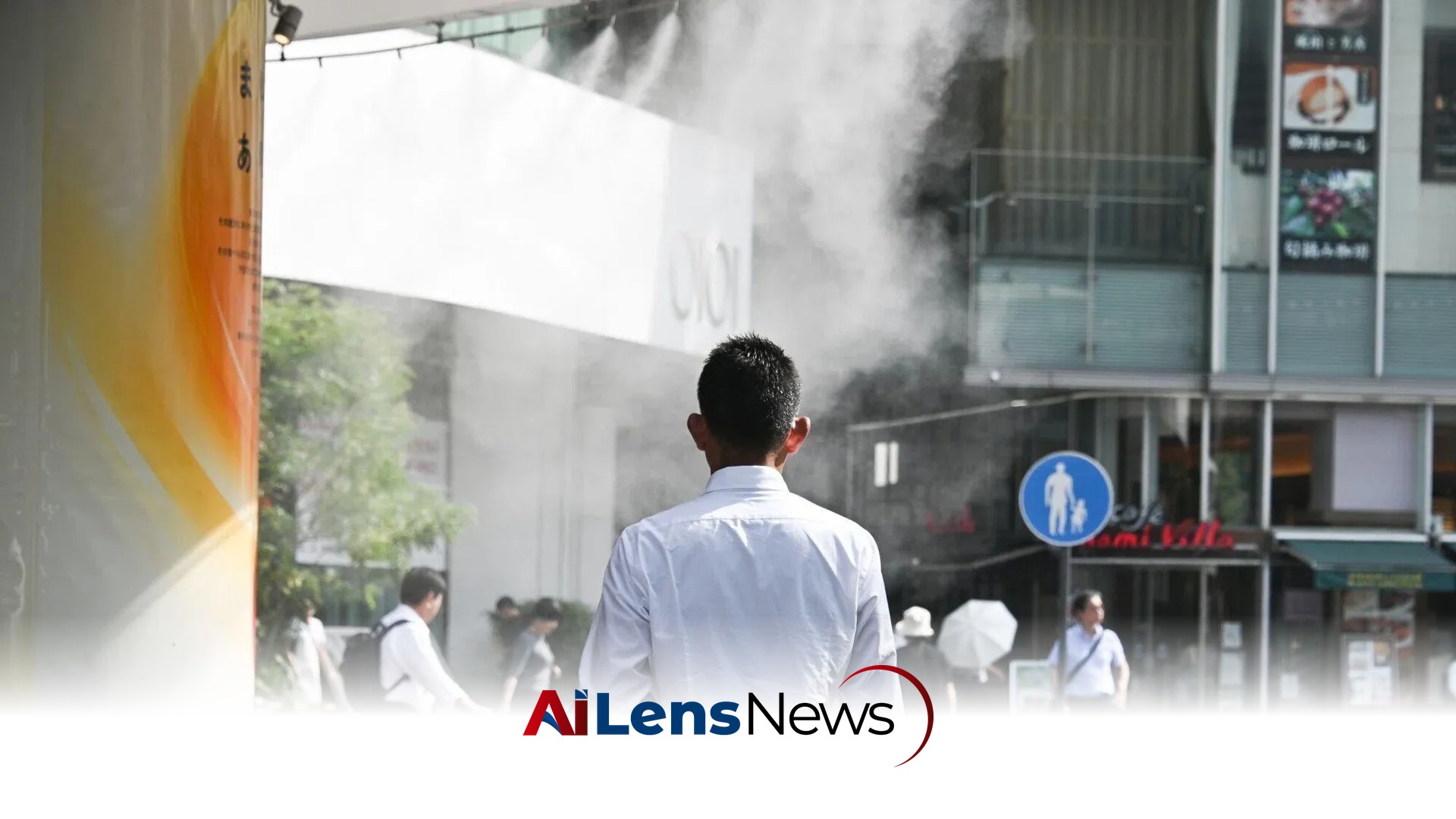


Japan's new policy allowing shorts in offices raises questions about workplace etiquette and gender norms amid rising summer temperatures.
Singapore, Singapore Jul 19, 2026 ALN: [TOKYO] For more than three decades, Noboru Watanabe wore the uniform of the Japanese salaryman: trousers, a starched shirt, a jacket, and a necktie. This traditional attire has long been emblematic of Japan’s corporate culture, symbolizing professionalism and a strong work ethic. However, last week, the 53-year-old environmental official in Tokyo decided to embrace a more casual and comfortable look by ditching the formal attire for the unimaginable: a T-shirt and a pair of khaki shorts. This change in wardrobe reflects a broader cultural shift in Japan’s workplace environment.
Watanabe’s decision to wear shorts was made possible by a new policy introduced by the Tokyo government, which allows its workers to dress more casually in the office during the sweltering summer months. This initiative comes in response to successive summers of record-breaking heat that have made traditional office attire uncomfortable and impractical. “Everyone says I look younger,” Watanabe said near his desk on a recent afternoon. “I seem more approachable. I feel I am helping relax the whole office.” His sentiments highlight the potential benefits of a more relaxed dress code, including fostering a more approachable and comfortable workplace atmosphere.
The policy is part of a broader effort by Japanese officials to encourage the country’s millions of office workers to dress down in the summer, with the dual purpose of making office life more comfortable while also reducing the reliance on air-conditioning systems and ultimately saving energy. Under the “Cool Biz” initiative, the government encourages workers to forgo heavy suits in favor of more breathable attire such as polo shirts, linen tops, and sneakers during the hot weather. The initiative aims not only to enhance comfort but also to promote environmental sustainability in light of Japan's commitment to reducing energy consumption.
However, the allowance of shorts has sparked a debate in Japan, prompting discussions about workplace etiquette and the appropriateness of casual attire in professional settings. While some embrace the change, others find the sight of colleagues in shorts—particularly men—unsettling. The policy has even inspired the Japanese news media to coin a new term: sune-hara, or “leg-hair harassment,” which describes the discomfort some women feel when they are confronted with the bare legs of their male co-workers. This term highlights the cultural nuances and sensitivities surrounding dress codes and body image in Japan.
Ruai Sajiki, 23, an employee at the Tokyo government offices, acknowledged that seeing bare legs in a professional setting could be jarring for some women. However, she expressed her support for Watanabe’s choice to wear shorts. “I’ve seen my own father’s legs, so I’m personally comfortable with it,” she said. “It can’t be helped that there are many opinions, and some women who feel resistance.” This statement reflects the generational differences in attitudes toward workplace attire and the evolving nature of gender norms in Japan.
Despite the official encouragement for both men and women to embrace a more casual dress code, some commentators argue that the policy is inherently unfair. While men may have the freedom to wear shorts without scrutiny, women often face societal pressure to maintain a certain standard of appearance, which includes wearing pantyhose or long skirts. Atsuko Tamada, a professor of French literature at Chubu University in Japan and an online commentator, pointed out that women are expected to invest considerable time and money into hair removal, foot care, and apparel to meet these expectations. “If men are now encouraged to wear shorts or sandals,” she said, “should the same standards of appearance apply to them?” This perspective underscores the ongoing gender disparities in the workplace, highlighting the need for a more equitable approach to dress codes.
The “Cool Biz” initiative was first introduced by Japan’s Environment Ministry in 2005, coinciding with the country’s commitments under the Kyoto Protocol, the 1997 international agreement aimed at reducing greenhouse gases. The initiative has since gained traction in nearly every workplace across Japan, albeit with varying degrees of enthusiasm and acceptance. Yuriko Koike, who led the ministry at the time and was later elected as Tokyo’s governor in 2016, emphasized the importance of adapting to rapidly rising temperatures and energy disruptions, particularly in light of global events such as the war in Iran. “We have gradually run out of layers to remove,” she said at a news conference in April, “reaching a point where we are down to wearing shorts.” This statement captures the urgency of addressing climate change and its impact on daily life in Japan.
In Japan, government workplaces have set thermostats to 28 degrees Celsius during the summer months, in accordance with national standards. Last summer marked a significant milestone, as it was recorded as the hottest on record, with temperatures averaging about 2 degrees Celsius above historical norms. The Japanese Meteorological Agency has even introduced a new term for particularly sweltering days exceeding 40 degrees Celsius: kokushobi, or “cruelly hot” days. This climatic context further underscores the necessity for policies that prioritize comfort and energy efficiency in the workplace.
The embrace of shorts has also provided a boon to retailers. Some stores have begun marketing shorts specifically designed for the office, featuring lightweight fabrics, formal styles, and neutral colors to align with professional standards. Yofuku no Aoyama, a prominent Japanese retailer specializing in business attire, has launched a “Cool Biz” line of clothing this summer, which includes nylon shorts that are deemed suitable for the workplace. Yui Hamano, a spokesperson for the company, noted that they paid close attention to the design and length of the shorts to ensure they remain office-appropriate. “We paid close attention to the length to ensure it didn’t show too much skin,” she said, indicating the retailer’s awareness of the cultural sensitivities surrounding professional attire.
Officials acknowledge that it will take time for the acceptance of shorts to become widespread in Japan’s offices. During a recent visit to an office at the Tokyo Metropolitan Government Building, only 11 out of 70 male workers were observed wearing shorts, highlighting the cautious approach many are taking toward this new policy. Toshio Suzuki, 57, is among those who remain hesitant. He opted for a pair of athletic stretch pants to work on a recent day and took extra care to groom his appearance by shaving the parts of his ankles that were exposed. He expressed that he did not yet feel comfortable wearing shorts, as he did not want to offend his female colleagues. This sentiment reflects the lingering traditional values surrounding workplace attire and the complexities of navigating gender dynamics in professional settings.
As the “Cool Biz” initiative continues to evolve, it remains to be seen how the acceptance of casual attire will impact Japan’s corporate culture. The ongoing debates surrounding dress codes, gender expectations, and workplace comfort highlight the need for a more inclusive approach to professional attire that respects individual preferences while promoting a comfortable and productive work environment. Ultimately, the success of the initiative may hinge on the willingness of both employers and employees to embrace change and adapt to the realities of a warming climate.
To learn more about the latest developments in Mind & Soul, stay updated with our exclusive reports and analyses on AiLensNews.

