

In Qatar, residents are transforming their summer routines to embrace the heat, focusing on indoor activities and early morning or evening outings.
Doha, Qatar Jul 18, 2026 ALN: For many long-time residents, Qatar's sweltering summer is no longer a season to endure, but one they have learned to embrace, adapting their routines as soaring temperatures and humidity reshape how they live, work, and relax. The summer months in Qatar, which can extend from May through September, often see temperatures soar above 40°C (104°F) during the day, with high humidity levels making conditions feel even more oppressive. This climatic reality has prompted residents to rethink their daily schedules and activities.
Rather than avoiding the heat altogether, residents have gradually changed not only when they go out but also where and how they spend their leisure time. The shift towards indoor activities has become a hallmark of life in Qatar during the summer. Air-conditioned gyms, shopping malls, cafés, and indoor sports facilities have become central to daily life, while early mornings and evenings are reserved for outdoor activities. This adaptation reflects a broader understanding of the importance of maintaining physical activity and social interaction, even in the face of extreme weather conditions.
Long-time Filipino expatriate Nad Dizon said Qatar's summer has become an opportunity to adapt rather than a reason to stay inactive. "Summer is something we experience every year, so we've learned to adapt and make the best of the conditions," Dizon told Gulf Times. "Many activities can still be enjoyed during summer." His perspective is emblematic of a growing mindset among residents who recognize the need to embrace the climate rather than resist it.
For Dizon, the gym has become a regular destination during the hotter months because it offers a clean, comfortable environment for exercise. The availability of air-conditioned fitness centers has made it easier for residents to maintain their health and fitness routines. He noted that many gyms and fitness centers roll out seasonal promotions and discounted memberships during summer, making them more accessible and attracting more people to stay active. This trend not only supports individual health goals but also fosters a sense of community among gym-goers who share similar challenges and triumphs in adapting to the heat.
Apart from fitness, he and his family have found other ways to enjoy the season, including taking long walks through the Doha Metro network and exploring different parts of the city while remaining largely indoors. This innovative approach to leisure allows families to bond and explore their surroundings without succumbing to the harsh outdoor conditions. The seasonal migration indoors has become increasingly evident across Qatar's fitness industry, with gym operators reporting higher attendance from existing members during summer, as many residents move their workouts indoors to escape the heat.
Group fitness classes, indoor sports, and air-conditioned recreational facilities also experience greater demand, particularly during the early morning and evening hours. Outdoor runners often swap parks for treadmills or indoor mall running clubs, cyclists replace road rides with spin classes, and walkers head to shopping malls instead of public parks. Families enroll children in swimming lessons and indoor sports programs, ensuring that even the youngest members of the community remain active and engaged.
Recreational athletes increasingly favor indoor padel, badminton, squash, and football facilities until cooler weather returns. This shift in activity preferences highlights the adaptability of residents and their commitment to maintaining an active lifestyle despite the challenges posed by the climate. For others whose hobbies naturally take them outdoors, adapting has become part of everyday life. Portuguese expatriate Amândio Nunes, a scuba diver and motorcycle enthusiast, said experience has taught him to work with the climate rather than against it. "As a long-time resident, I've learned that the key is adapting your routine to the weather,” he said. “During the hotter months, I shift outdoor activities to the early morning or late evening, stay well-hydrated, and take advantage of shade whenever possible." This pragmatic approach is echoed by many residents who have found ways to enjoy their passions while respecting the limitations imposed by the heat.
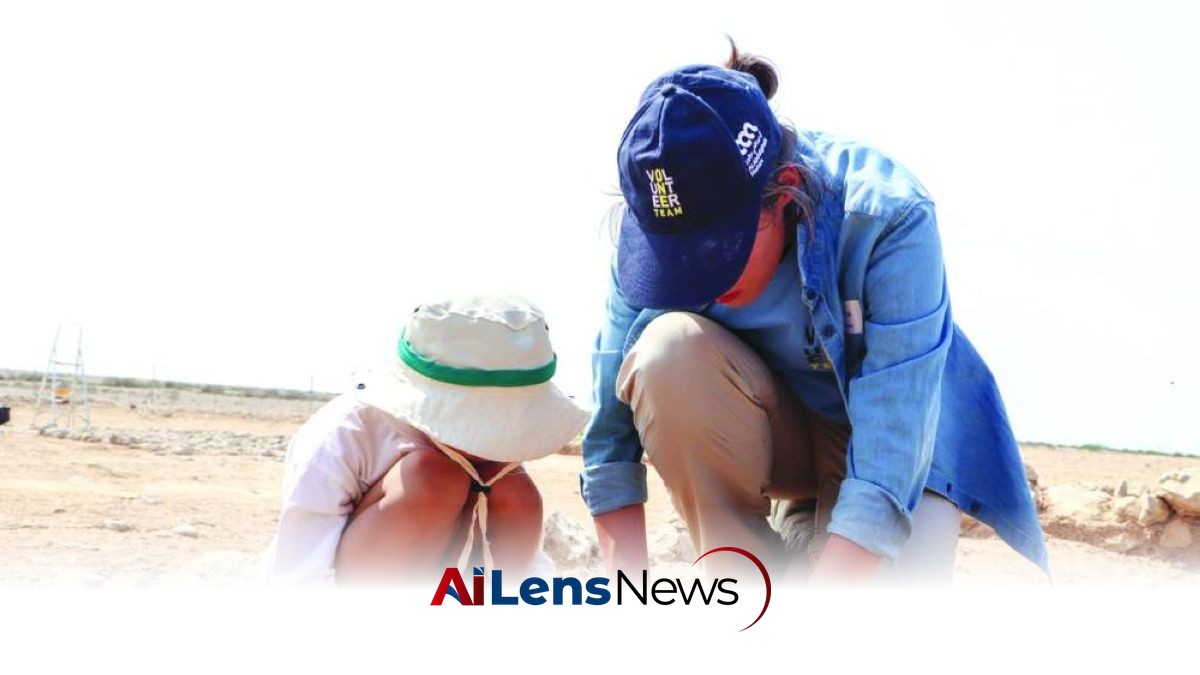
Nunes said remaining active outdoors throughout the year also allows the body to acclimatize gradually as temperatures rise. This gradual acclimatization is crucial for maintaining health and well-being, as abrupt changes in temperature can lead to heat-related illnesses. Belgian archaeologist and scuba diver Margaux De Pauw shares a similar philosophy. "For me, it helps to accept that the heat will be uncomfortable sometimes," she said. "As an archaeologist and diver, I spend a lot of time outdoors, so I dress appropriately, stay hydrated, and protect myself from the sun." This emphasis on preparation and awareness is vital for anyone who wishes to enjoy outdoor activities in Qatar's summer heat.
She added that avoiding excessively cold air-conditioning also makes the transition back outdoors easier while reducing energy consumption. This perspective aligns with broader environmental concerns, as many residents are increasingly aware of the need to balance comfort with sustainability. For Sri Lankan expatriate Imran Anver, who has lived in Doha for 12 years, adapting to Qatar's climate has become second nature. "As a family, we plan our days around the climate,” he said. “Mornings and evenings become our window for outdoor time, while midday hours shift indoors." This strategic planning reflects a growing understanding of the necessity of adapting to the climate rather than simply enduring it.
Anver believes Qatar's investment in climate-adaptive infrastructure has made a significant difference over the years. "Initiatives like shaded and cooled walkways, extensive indoor sports and leisure facilities, and the summer worker safety regulations reflect a thoughtful, community-first approach to heat management," he said. The government’s efforts to create a more livable environment for residents and workers alike demonstrate a commitment to enhancing quality of life in the face of extreme weather conditions. Facilities such as indoor padel and football courts, along with covered public spaces, have enabled residents to remain physically active year-round without compromising comfort or health.
"It's less about resisting the climate and more about adapting intelligently to it, which Qatar has made increasingly easy to do," he added. This sentiment resonates with many residents who appreciate the efforts made by both the government and private sector to facilitate a more enjoyable summer experience.
The shift extends beyond recreation. Indoor cafés have evolved into so-called "third places" where people spend hours working remotely, holding meetings, studying, reading, or simply socializing. These spaces have become essential for maintaining social connections and fostering a sense of community, particularly during the long, hot summer months. Specialty coffee shops, particularly in Msheireb Downtown Doha and major shopping malls, report that customers tend to stay much longer during the summer months. "Many customers spend several hours here," said Alfie, a barista at a café in Msheireb Downtown Doha. "They often tell us they prefer working or studying here because it's comfortable, and they feel more productive than elsewhere." This trend highlights the evolving role of cafés as multifunctional spaces that cater to the needs of a diverse population.
Shopping malls are also taking a more active role in encouraging healthy lifestyles. Some have begun hosting organized fitness activities during summer instead of simply serving as air-conditioned destinations. This proactive approach not only promotes physical activity but also helps to build community among residents. One notable example is a running club that relocated its weekly sessions to Doha Festival City, where participants complete multiple laps inside the mall before gathering at a café afterward, combining exercise with social interaction despite the outdoor heat. Such initiatives illustrate the innovative ways in which residents and businesses are collaborating to create a more active and engaged community.
Meanwhile, Qatar is expected to remain under typical peak-summer conditions over the coming days, according to forecasts based on data from the Qatar Meteorology Department and internationally recognized weather services. Daytime temperatures are forecast to rise steadily from around 37° Celsius on Friday to as high as 45°C by Tuesday, with some inland areas potentially approaching 46°C. Warm nights, persistent humidity along coastal areas, and hazy conditions caused by suspended dust are also expected, while no significant rainfall is forecast. For many residents, however, such forecasts have become less of a deterrent than a reminder to adjust their routines. As they continue to adapt to the challenges posed by the climate, residents of Qatar demonstrate resilience and creativity, finding ways to thrive in their unique environment.
To learn more about the latest developments in Health & Wellness, stay updated with our exclusive reports and analyses on AiLensNews.

