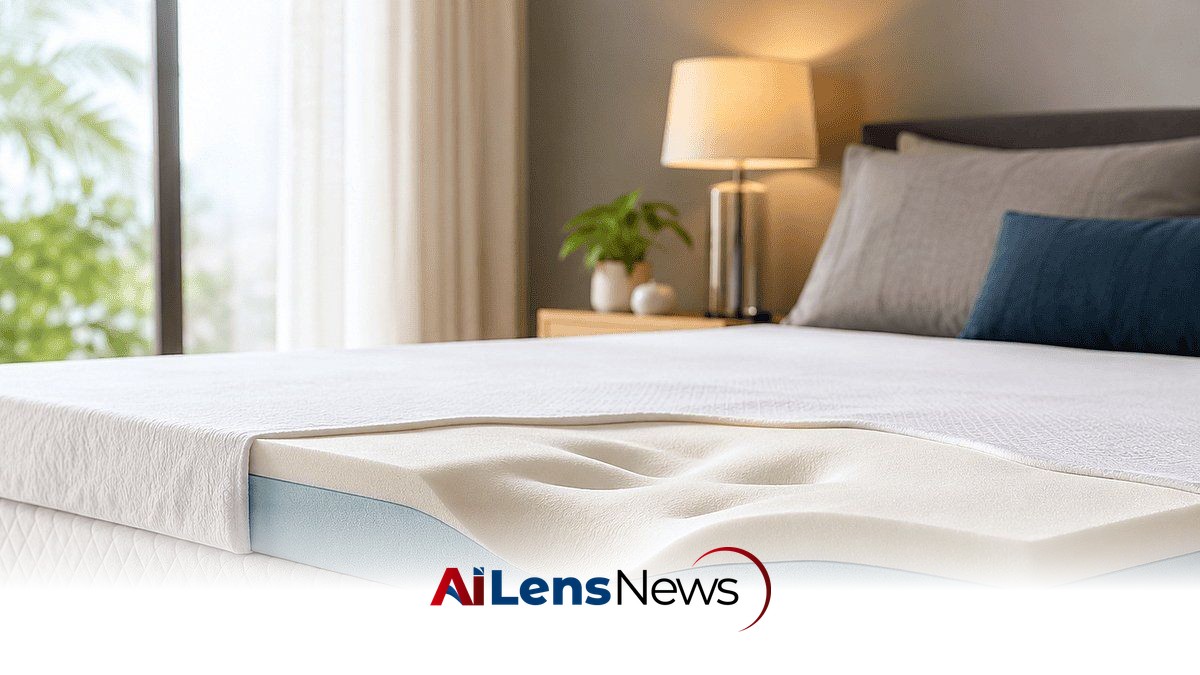


Explore the science behind memory foam, its benefits, and how to select the ideal mattress topper for enhanced comfort and sleep quality.
Doha, Qatar Jul 18, 2026 ALN: Memory foam has an unusual origin story. The material began as a pressure distributing foam developed for aerospace research before finding its way into hospitals, furniture, and eventually bedrooms around the world. What made it stand out then is the same property that attracts shoppers today. It slowly responds to pressure and returns to its original shape once the weight is removed. This gentle contouring feel is why memory foam toppers remain one of the easiest ways to change how a mattress feels without replacing the mattress itself.
The journey of memory foam from a specialized material to a household staple is a fascinating one. Originally developed in the 1960s by NASA to improve the safety of aircraft cushions, memory foam was designed to absorb shock and distribute pressure. As its benefits became apparent, it was adopted in various fields, including healthcare, where it was used in hospital beds to help prevent pressure sores in patients with limited mobility. Over time, the comfort and support of memory foam caught the attention of the mattress industry, leading to its widespread use in consumer products.
Memory foam is a type of viscoelastic polyurethane foam. Unlike conventional foam, which springs back immediately, memory foam gradually responds to body weight and temperature, spreading pressure across a wider surface. This results in a more cradled feel rather than a bouncy one, making it particularly appealing for those who suffer from joint pain or discomfort while sleeping. The unique properties of memory foam make it suitable for a wide range of sleepers, including side sleepers who benefit from the material's ability to alleviate pressure points.
Density is often misunderstood in the context of memory foam. Higher density foam is typically more durable and offers better support over time, but it is not automatically firmer. Firmness is influenced by the specific formulation of the foam. Additionally, cooling gels, which are often infused into memory foam, do not chill the bed; instead, they help move heat away from the body more efficiently than traditional memory foam. This distinction is particularly important for consumers who may be concerned about overheating during sleep, especially in warmer climates or seasons.
For many homes, where bedrooms can stay warm for much of the year, breathable covers and ventilated foams can make a noticeable difference in comfort. The importance of temperature regulation in sleep cannot be overstated, as a comfortable sleep environment is crucial for achieving restful sleep. Sleepers who tend to overheat at night may find that a well-designed memory foam topper can significantly enhance their sleeping experience.
When considering a memory foam topper, it is important to understand that while it can enhance comfort, it cannot repair a worn-out mattress with deep sagging. Instead, a topper can soften an overly firm surface or add a little extra cushioning. When shopping for a memory foam topper, look first at thickness and foam quality rather than marketing claims. A thickness of around 5 cm suits many sleepers looking for extra comfort, while thinner models can make subtler changes to the mattress feel.
If you tend to sleep warm, it is advisable to choose gel-infused or ventilated foam with a breathable cover. These features can help improve airflow and temperature regulation, leading to a more comfortable sleeping experience. Certifications such as CertiPUR US indicate that the foam has been tested for low VOC emissions and certain restricted substances, providing peace of mind regarding the materials used in the topper. A breathable mattress protector is also worthwhile, as it shields the topper from spills and everyday wear without altering its feel.
This topper is designed for shoppers who want to soften an existing mattress rather than replace it. Gel-infused memory foam combines the familiar contouring feel with cooling additives intended to reduce heat build-up at the sleep surface. Available in thickness options of 5 cm, 7.5 cm, and 10 cm, and with CertiPUR US certification, the design aligns with the practical advice experts give for adding comfort while maintaining pressure distribution. This topper is versatile enough to suit guest rooms as well as mattresses that still offer good support but feel firmer than desired.
A topper works best when protected. The SLEEP ZONE Mattress Protector is a breathable fitted protector intended to sit above the topper, helping shield it from moisture, dust, and everyday spills while allowing air to circulate. It features microfiber for cooling, making it more breathable. For households that want to keep bedding fresh without changing the underlying comfort of the mattress, the SLEEP ZONE Mattress Protector is a practical companion to a memory foam topper. This protector not only extends the life of the topper but also contributes to a healthier sleep environment.
The Dardu Waterproof Mattress Protector focuses on waterproof protection while maintaining a fitted sheet style design. This quality protector extends the usable life of both the mattress and any topper placed beneath it by reducing exposure to accidental spills. It is especially useful for family homes where protecting bedding can be just as important as improving comfort. The waterproof feature is particularly beneficial for households with young children or pets, where accidents are more likely to occur.
Memory foam works because of the way it responds slowly to pressure, not because it is unusually soft. Density affects durability more than feel, while cooling gels improve heat management rather than actively cooling the bed. A topper is most effective when paired with a mattress that is still structurally sound, and a breathable protector helps preserve that investment over time. The Linenspa Gel Infused Memory Foam Mattress Topper is the strongest all-round recommendation here because it directly addresses comfort while incorporating cooling features suited to warmer sleeping environments.
In conclusion, understanding the intricacies of memory foam and how it can enhance sleep quality is essential for anyone considering a mattress topper. With the right knowledge, consumers can make informed decisions that lead to improved comfort and overall sleep satisfaction. As the market for sleep products continues to evolve, memory foam remains a popular choice for those seeking a better night's sleep.
To learn more about the latest developments in Health & Wellness, stay updated with our exclusive reports and analyses on AiLensNews.

