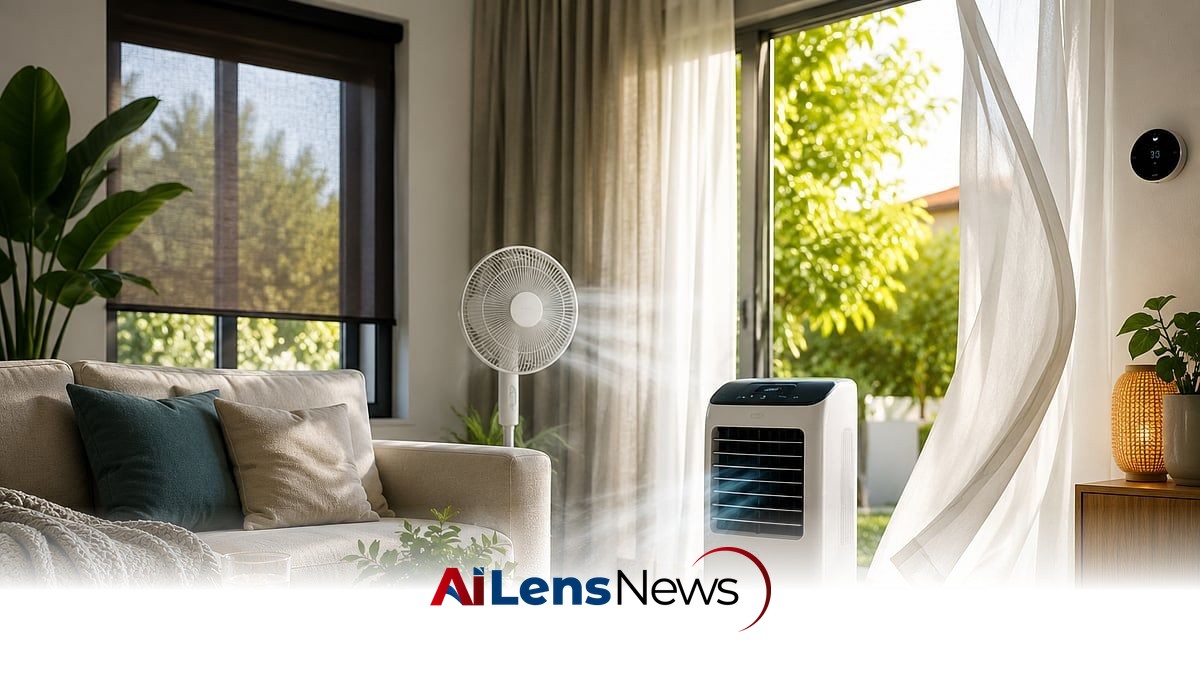


Discover effective strategies to maintain a cooler home this summer, focusing on airflow, blackout curtains, and smart temperature control.
Kuwait City, Kuwait Jul 17, 2026 ALN: As the summer heat intensifies, many homeowners find themselves struggling to maintain a comfortable indoor environment. The temperature outside can soar, and despite the thermostat reading a comfortable number, the sensation of warmth can vary significantly from one home to another. This disparity is often attributed to several factors, including how heat enters the home, the effectiveness of insulation, and the circulation of air within the living space. Understanding these dynamics can empower residents to make informed decisions about keeping their homes cooler without relying solely on air conditioning.
Heat gain in a home occurs through multiple avenues, with windows being a primary contributor. Sunlight streaming through glass can raise indoor temperatures by heating surfaces such as floors, walls, and furniture. This effect is particularly pronounced in homes with large windows or those that receive direct sunlight for extended periods. To combat this, homeowners can implement several strategies that focus on managing light and air effectively.
Heat gain occurs when the amount of heat entering a home exceeds the amount of heat leaving it. This can lead to uncomfortable indoor conditions, increased reliance on air conditioning, and higher energy bills. For many individuals, particularly those residing in regions with extreme summer temperatures like the UAE, addressing heat gain is crucial not only for comfort but also for energy efficiency. By making small adjustments to how light and air are managed, residents can significantly enhance their indoor comfort levels.
One of the simplest yet most effective methods to reduce heat gain is to utilize thermal blackout curtains. These curtains serve a dual purpose: they block light and insulate against heat transfer, thereby keeping rooms cooler during the hottest parts of the day. Closing these curtains during peak sunlight hours can prevent excessive heat from entering the home, creating a more comfortable environment.
Good airflow is another essential component of maintaining a cooler indoor atmosphere. When air can circulate freely, it helps to dissipate heat and can make a space feel cooler, even if the actual temperature remains unchanged. This is particularly important in homes where natural ventilation is limited. For residents in rented accommodations or apartments, where making permanent changes is not feasible, portable cooling devices can provide a flexible solution to enhance comfort without the need for extensive modifications.
When selecting cooling products, it is important to prioritize those that reduce heat gain before considering additional cooling options. For instance, thermal blackout curtains should ideally incorporate both light-blocking and insulating properties. Merely choosing dark-colored curtains may not be sufficient to achieve the desired cooling effect. Additionally, when looking at portable coolers, consumers should evaluate factors such as water tank size, airflow capacity, and whether the unit is designed for use in ventilated spaces.
Smart thermostats can also play a vital role in maintaining a comfortable indoor temperature. These devices allow homeowners to schedule cooling periods based on occupancy, ensuring that energy is not wasted when no one is home. Features such as automatic temperature adjustments and compatibility with smart home systems can further enhance the efficiency of cooling efforts.
Among the various cooling products available, portable evaporative air coolers are particularly noteworthy. These devices combine a fan with water-assisted cooling, making them ideal for bedrooms, home offices, or living spaces where additional airflow is needed. Unlike traditional air conditioning units that rely on compressors, evaporative coolers function by passing air through water-soaked cooling media. This method is most effective in environments where fresh air can circulate, making it a suitable option for many homes.
For individuals seeking personal cooling solutions, wearable neck fans can provide targeted relief. These fans are designed to direct airflow around the face and neck, enhancing comfort during activities such as reading, cooking, or working. The bladeless design ensures safety by keeping hair clear of moving parts, while adjustable speed settings allow users to customize airflow according to their preferences.
Passive cooling strategies, such as using thermal blackout curtains, can significantly reduce the amount of solar heat entering a home. These curtains are particularly effective in rooms with large windows that receive intense afternoon sun. The combination of blackout material and thermal lining is crucial, as it helps to limit heat transfer and maintain a cooler indoor environment.
In addition to passive cooling measures, smart thermostats can enhance energy efficiency by maintaining a more consistent indoor temperature. By programming cooling to align with occupancy patterns, residents can enjoy a comfortable living space without the need for constant manual adjustments. The convenience of scheduling allows homeowners to optimize their cooling systems based on their daily routines.
Maintaining a cooler home during the summer months requires a multifaceted approach that combines passive cooling techniques with strategic use of portable cooling devices. By blocking direct sunlight, improving airflow, and utilizing effective cooling products, residents can create a more comfortable indoor environment. Among the various recommendations discussed, thermal blackout curtains stand out as a simple yet impactful solution for reducing solar heat gain. Meanwhile, portable evaporative coolers offer flexibility and additional airflow where needed, making them valuable additions to any home.
Ultimately, the goal is to create a living space that remains comfortable and energy-efficient throughout the hottest months of the year. By taking proactive steps to manage heat gain and airflow, homeowners can enjoy a cooler home without the excessive reliance on air conditioning systems, leading to both comfort and cost savings.
To learn more about the latest developments in Home & Living, stay updated with our exclusive reports and analyses on AiLensNews.

